Study Finds Rise In Use Of India’s Section 3(d) Against Pharma Primary Patents
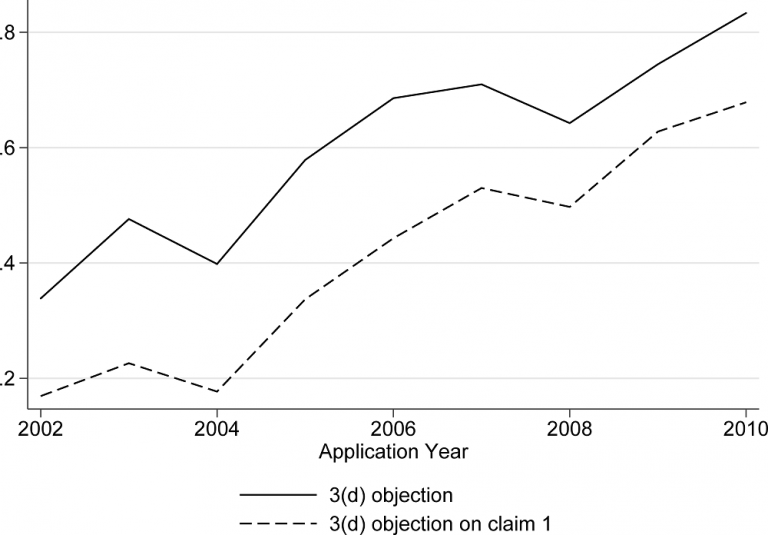
Access to affordable medicines is one of the most pressing policy issues globally. India has played a prominent role as “pharmacy of the developing world” with its generic medicine industry; however, the interpretation and implementation of a particular section of the law can significantly affect this role, according to a recent study.
UNCTAD To Look At Rapid Technological Change And Developing Countries

Ministers, leading scientists and innovators will gather next week at the United Nations in Geneva to discuss rapid technological change and developing countries.

Collective Efforts By Civil Society Groups Bar The Way To Hepatitis C Patents

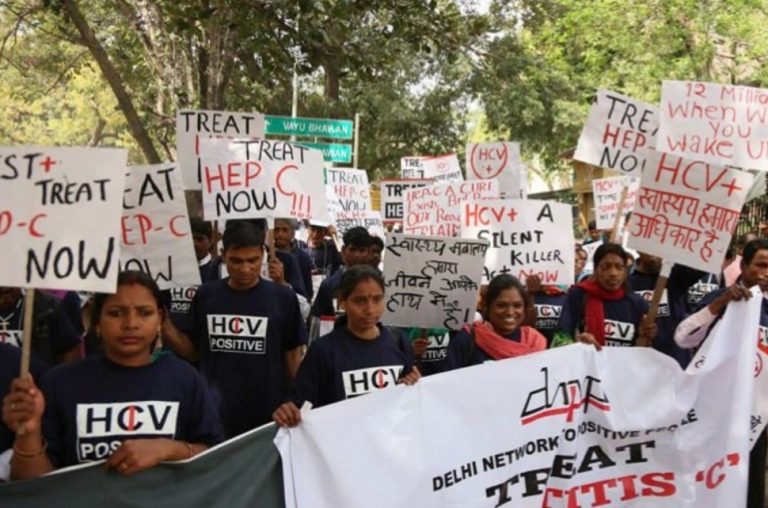
Many hold the view that Gilead’s revolutionary treatment against hepatitis C (sofosbuvir) marked the beginning of a shift in position toward the high prices of medicines, as high-income countries were also faced with an untenable burden to their health systems. In a number of lower and middle-income countries, civil society organised itself to increase access to sofosbuvir for millions in need.

US To Weaken Post-Grant Patent Reviews

Government agencies do not ordinarily relinquish power easily, or without a struggle. But these are not ordinary times in the USA. Trump appointees have pushed a variety of federal agencies – including Interior, EPA, and HUD – to surrender much of their powers. Yesterday, the USPTO joined that list, when it announced proposed new regulations that would weaken the agency’s review of existing patents.

EU-US Comparison & Guide On Copyright Link Liability – An Update

Ed Klaris and Alexia Bedat write: An update to our article reviewing US and European law/recent developments in link liability in both the copyright and defamation contexts and providing a checklist of questions an attorney (or editor) ought to ask before deciding, prepublication, whether a proposed link may lead to liability in the US and/or the EU. Updates include the recent Goldman v. Breitbart decision in which a Federal Judge concluded that embedding a Tweet can be copyright infringement.

Truvada Case Shows Civil Society’s Success With Pre-Grant Opposition

The example of Gilead antiretroviral Truvada in Argentina and Brazil shows how civil society efforts to use patent opposition to patents it felt were unjustified were rewarded by patent withdrawal and rejection, even if the situation in Brazil might not be entirely settled.

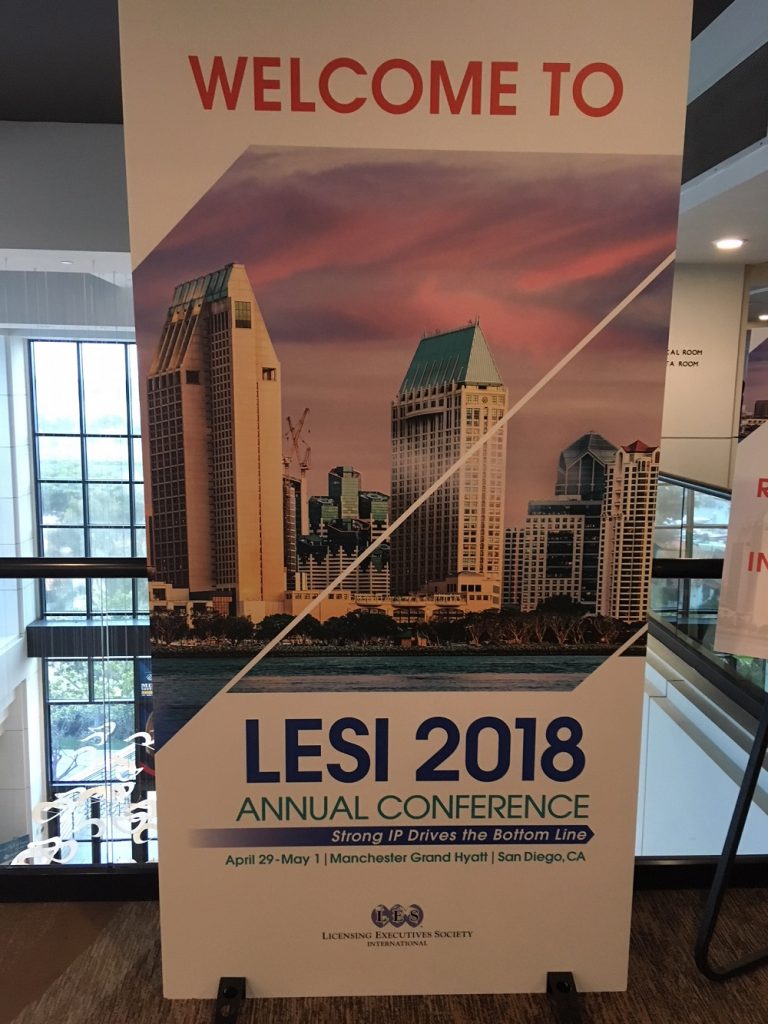
What You Can Learn From The Licensing Execs At The LESI Annual Conference 2018

“Strong IP Drives the Bottom Line”: Licensing executives, technology transfer officers and attorneys from all over the world met under this theme at the annual conference of the Licensing Executives Society International (LESI) in San Diego from April 30 to May 1, 2018.

Each year, the LESI annual conference brings together the strategists, pioneers and deal makers of the world to exchange about the hot topics in licensing, technology transfer and the business of IP. Bastian July of GoodIP reports on what you can learn from the keynote speeches and workshops he attended.

US State-By-State Analysis Shows Benefits Of Funding Global Health Research

In the current atmosphere in the United States of funding cuts for global health threats like malaria and HIV/AIDS by the Trump Administration, a new state-by-state analysis claims to show its profound implications for research and jobs across the country.

Evergreened Patents Cause Unwarranted High Drug Prices, Hinder Growth Of Local Producers – NGOs, Thai Producers Claim

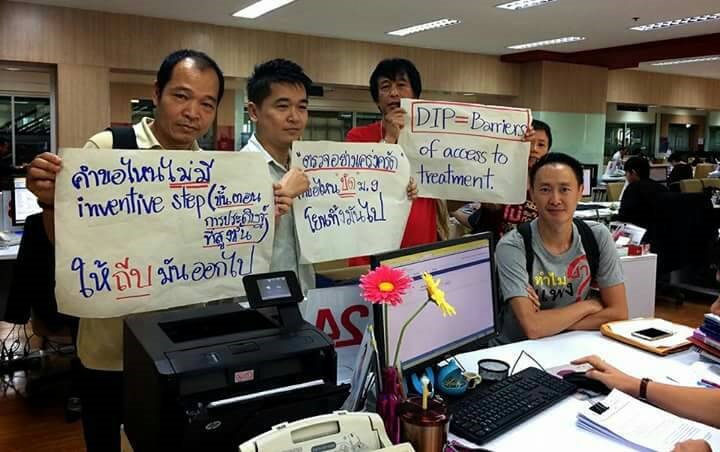
BANGKOK - Transnational drug manufacturers’ tactics of obtaining unmerited patent applications have unnecessarily raised healthcare costs and impeded the growth of domestic generic drug industry, costing the Thai government hundreds of millions of dollars, drug access campaigners and local producers have said.