EU IP Policy Proposals, Initiatives Come Clear At 20th European IP Forum
PARIS – A recent gathering of IP owners, lawyers and government officials explored strategies and potential policies to fight counterfeiting and piracy.

Original news and analysis on international IP policy
PARIS – A recent gathering of IP owners, lawyers and government officials explored strategies and potential policies to fight counterfeiting and piracy.

For international trade, 2015 will be “a year of work” rather than of finalisation, as Viviane Reding put it. The comment of the former European Commission vice president and Justice Commissioner focussed on the Trade in Services Agreement (TISA), as she is now the European Parliament's rapporteur for TISA. The services agreement is still sailing under the radar compared to its bigger cousins, the US-EU bilateral Transatlantic Trade and Investment Partnership (TTIP) and the Trans-Pacific Partnership Agreement (TPP). Yet “a year of work” might well describe the 2015 agenda for the mega-regional trade negotiations too. Will any of them get to the finish line? A race is on in which the United States and European Union seem to anxiously look to China's advance while fighting rising opposition at home.

At today's meeting of the "trilateral offices" - the United States, Europe and Japan - Deputy Director of the US Patent and Trademark Office Michelle Lee gave an update of USPTO activities, including improvements in patent quality, patent pendency, and discussions about patent harmonisation.

On 28 January 2015, the Brazilian Ministry of Justice launched public consultations involving two key pieces of legislation, namely: the decree that will regulate the Marco Civil da Internet or the Brazilian Civil Rights Framework for the Internet (the "Internet Legal Framework"); and the Draft Bill for the Protection of Personal Data ("Draft Bill"). A consultation period is being conducted in relation to these two laws via online platforms set up by the government.
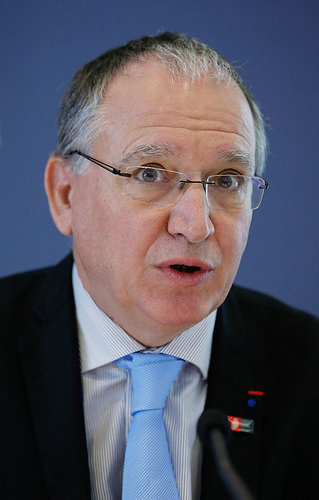
BRUSSELS - In 2014, patent filings at the European Patent Office (EPO) reached an all-time high, as announced by EPO President Benoît Battistelli last week at the traditional Annual Results Press Conference. Among key patenting trends were figures revealing strong growth in filings from the United States and China.
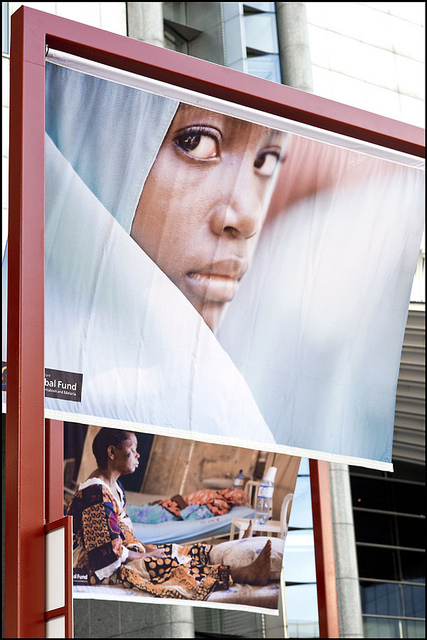
An initiative spearheaded by the Global Fund for AIDS, Tuberculosis and Malaria to ensure equitable access to medicines in particular in middle-income countries now has a dedicated webpage publishing the terms of reference of the initiative. Also available is the list of high-level participants who attended the first meeting of the initiative held last week.
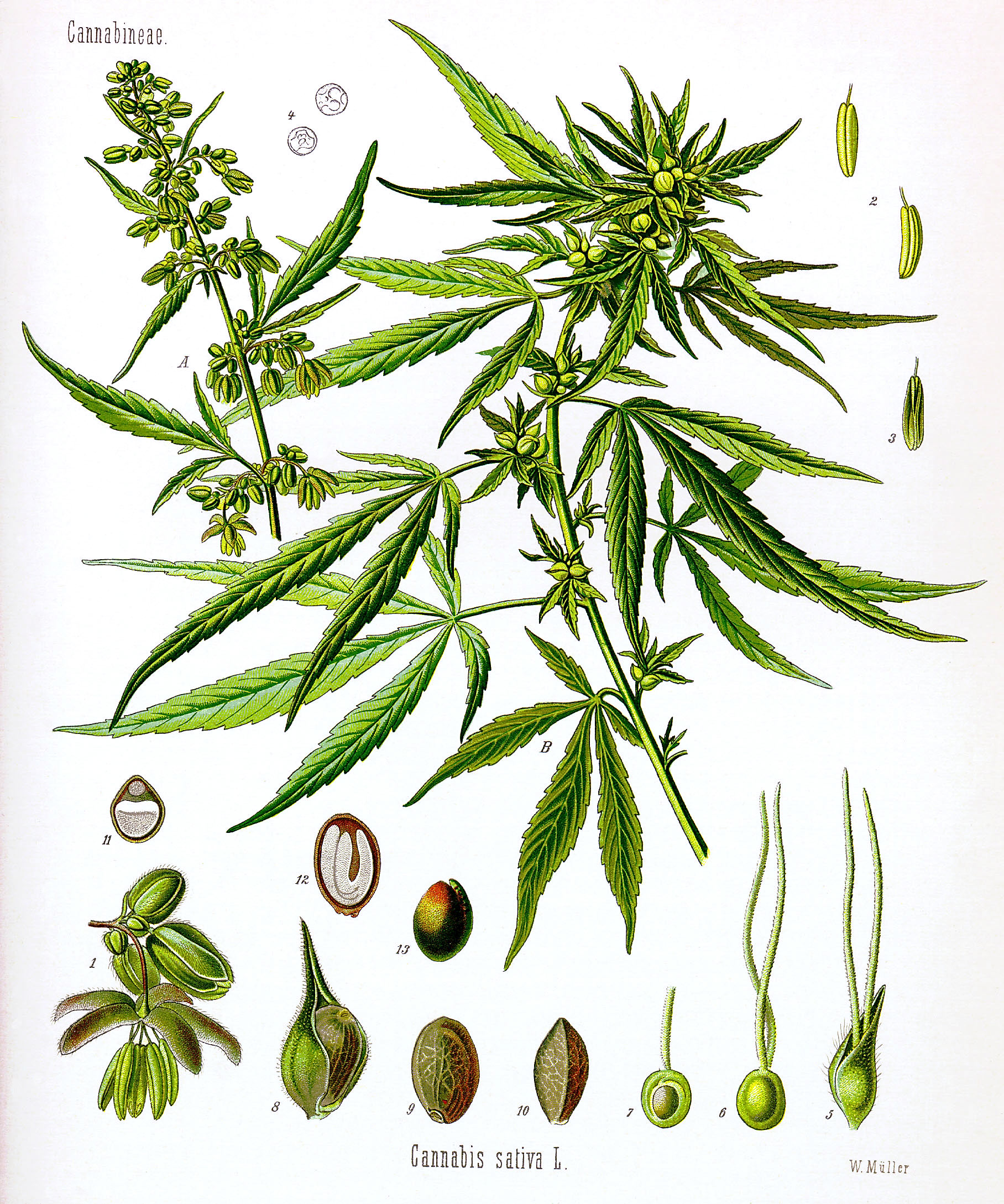
Although there are ongoing negotiations to revise the Lisbon Agreement for the international recognition of GIs, there is currently no uniform reciprocal legal recognition for non-wine and spirit GIs in international jurisdictions. Jamaica’s Cannabis (hereafter marijuana), is identified by its government as one of the country’s products which is domestically GI registrable, writes Marsha Cadogan.
Experts gathered in Geneva recently to discuss current issues and future developments in the protection of industrial designs and its importance, and give practical advice on suitable ways to protect and enforce the design rights.

According to a public health advocacy group, there are now as many as 10 oppositions filed at the European Patent Office against the Gilead company's patent on sofosbuvir, a treatment for hepatitis C. The group has compiled a table showing the filings with links to the documents.

Ellen 't Hoen writes: On 24 February 2015 Bangladesh on behalf of the 34 Least Developed Country members (LDCs) of the World Trade Organization (WTO) submitted a request for an extension of the transitional period under article 66.1 TRIPS with respect to pharmaceutical products until the country is no longer classified as LDC.[1] The original extension, set to expire on 1st January 2016, specifically removes the obligation for LDCs to comply with Section 5 (Patents) and Section 7 (Protection of Undisclosed Information) of Part II of TRIPS, including any obligation to enforce rights under these provisions.
It is a little known fact that since the adoption of the 2001 Doha Declaration on TRIPS and Public Health, LDCs have frequently used the extension in day-to-day procurement of low cost generic medicines, in particular to access medicines needed for the treatment of HIV.