Trade Secrets: The ‘Reasonable Steps’ Requirement

Trade secret theft is a top risk for companies today. When the worst does happen and trade secrets are compromised, companies must prove that reasonable steps have been taken to protect a company’s crown jewels. But determining what "reasonable steps" are can be challenging. Governments have been vague about the term's definition; and laws and legislation continue to evolve on this issue. However, court actions do provide insight on the ‘reasonable steps requirement’ and point to the need for companies to embed trade secret protection into business operations to qualify as legal protection, writes Pamela Passman.


Five Reasons Why TPP Countries Should Unite To Oppose The US Pharmaceutical IP Agenda

Failure to reach agreement over expanded intellectual property (IP) protections for medicines has proven to be a stumbling block to completion of the 12-country Trans Pacific Partnership negotiations. As expected, the US is continuing to pressure negotiating partners to adopt broader and longer monopoly protections for medicines. But the risks for their health systems are very high – and will be much higher if they don’t stick together in rejecting the US demands.

Ecuador, BRICS Moving Away From International Investment Dispute Regime, Paper Says

As part of a series of publications on investment treaties and investor-state dispute settlement, a developing country multilateral organisation released a policy brief focusing on Ecuador's experience and action against the current dispute settlement system.

Was Google’s Unexpected Move To Create Alphabet About ‘Genericization’?

When Google announced on 10 August that it was creating an umbrella organisation called Alphabet, encompassing Google itself and its many satellite companies, word spread like fire. The unexpected move left everybody guessing, and some thinking about Google’s effort to protect its valuable brand and keep its name from becoming a generic term for searching the internet.

Conference Looks At Public Interest In South Africa’s Draft Copyright Bill

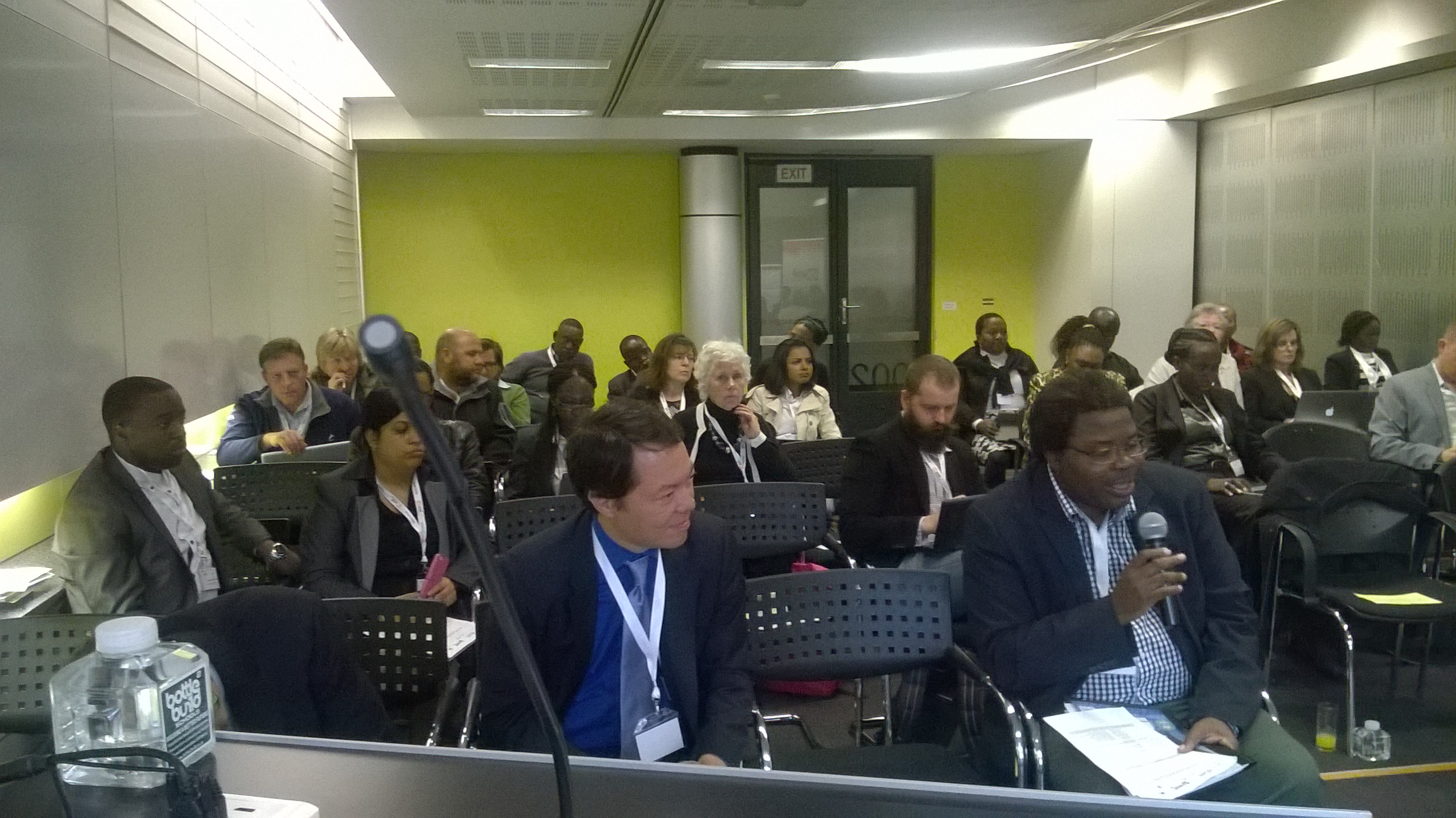
PRETORIA, SOUTH AFRICA – A conference here this week elicited a robust debate amongst intellectual property stakeholders in South Africa about the objectives of the far-reaching draft Copyright Amendment Bill.

Finding The Right Balance Between IP And Access To Science

STRASBOURG – As UN Special Rapporteur Farida Shaheed prepares to finalise a second consecutive report on the connection between the right to science and culture and patent policy, two well-known academics took the floor at the University of Strasbourg Centre for International Intellectual Property Studies (CEIPI) recently to share their views and hopes for this long-awaited paper.

No Deal Overall, But TPP Ministers Agreed Some IPR Issues In Hawaii, US Says

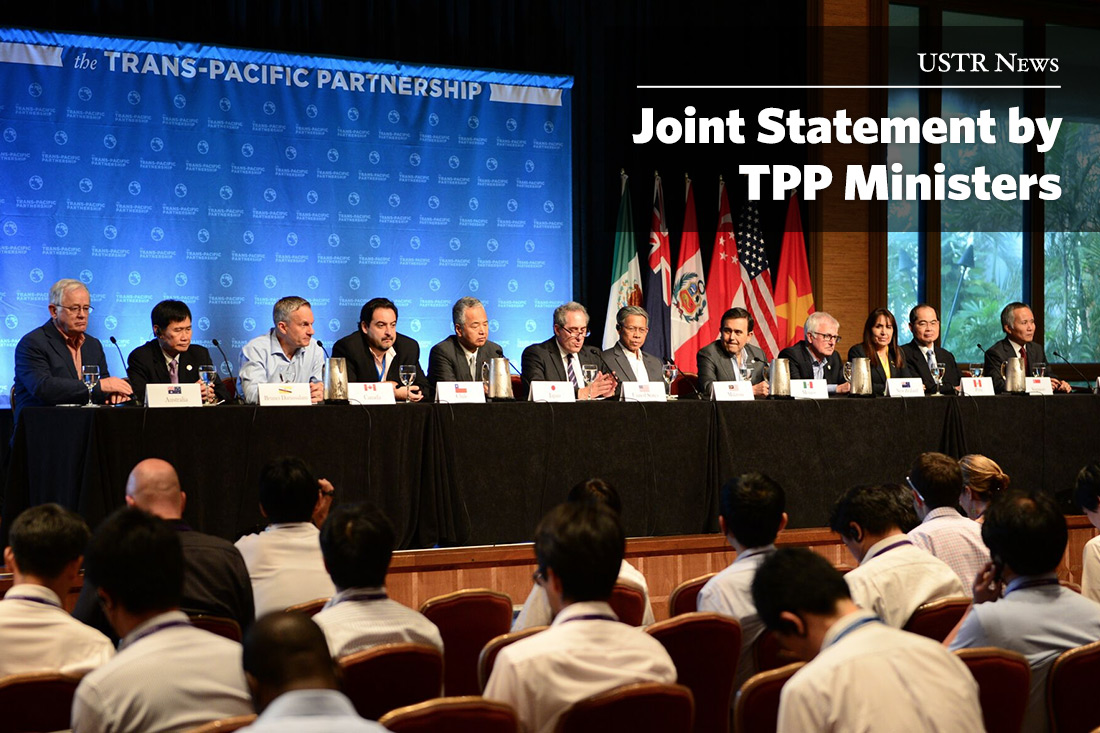
While the ministers of the 12 countries negotiating the Trans-Pacific Partnership (TPP) acknowledged they are still far apart on certain issues such as dairy, there were some areas of agreement in this week's negotiation in Hawaii, they said. Some of them appear to have been related to intellectual property rights, with particular mention of geographical indications (GIs).

WIPO Patent Committee Agrees On Future Work, After Uncertainty

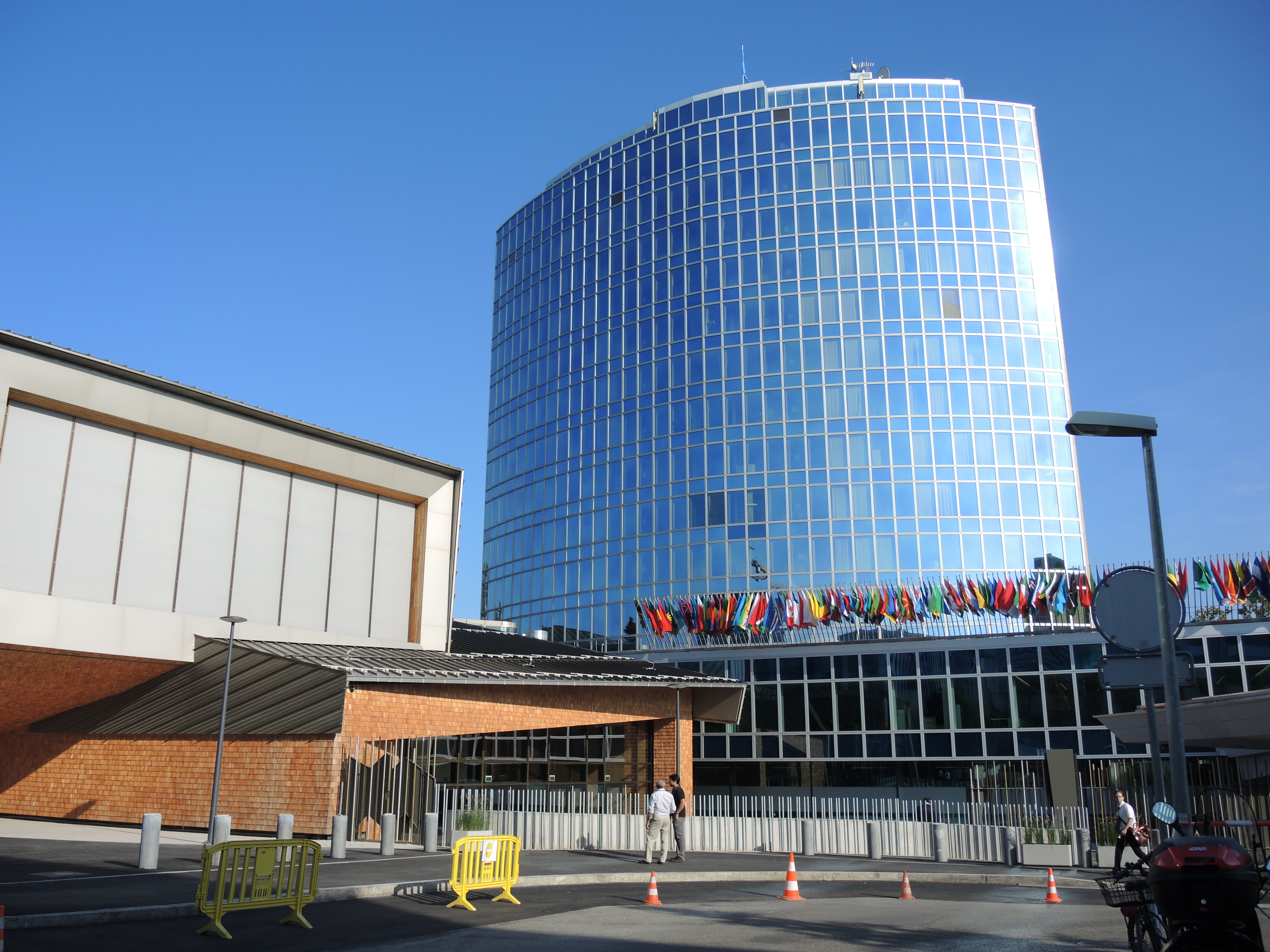
The World Intellectual Property Organization patent law committee today agreed on work programme going forward that includes a balance of North-South issues such as patent quality, patents and health, client-attorney privilege, technology transfer, and exceptions to patents. Agreement on the work program was difficult despite a comparatively fast-moving week of progress on these same areas of work.

IP-Watch Seeks Part-Time Fundraising/Outreach Expert

Intellectual Property Watch is seeking a dynamic person to help expand our fundraising and outreach activities. [Position closed]