WIPO General Assemblies Mid-Week Notebook: Heating Up

After two days of general statements, World Intellectual Property Organization delegates delved into more substantial subjects, and convened in small closed informal discussions to try to solve issues left open during the year. Among them is the composition of WIPO Coordination Committee and Program and Budget Committee, both WIPO governing bodies. Others include potential treaties on harmonising international applications by industrial designs creators, and on the protection of broadcasting organisations against signal theft.

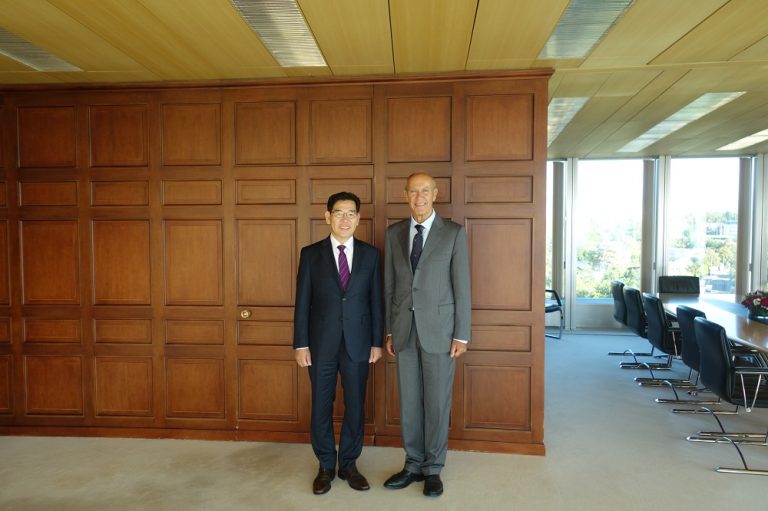
Interview With The Korea IP Office’s Acting Commissioner

Korean Intellectual Property Office (KIPO) Acting Commissioner Kim Tae Man is attending the annual World Intellectual Property Organization General Assembly this week. In that context, he sat down with Intellectual Property Watch, and in a mutually prepared Q&A, he described some of KIPO’s policies and future plans, collaboration with WIPO, international partnerships, and regional efforts toward global harmonisation.

World Leaders Commit To End Tuberculosis At Historic United Nations Meeting

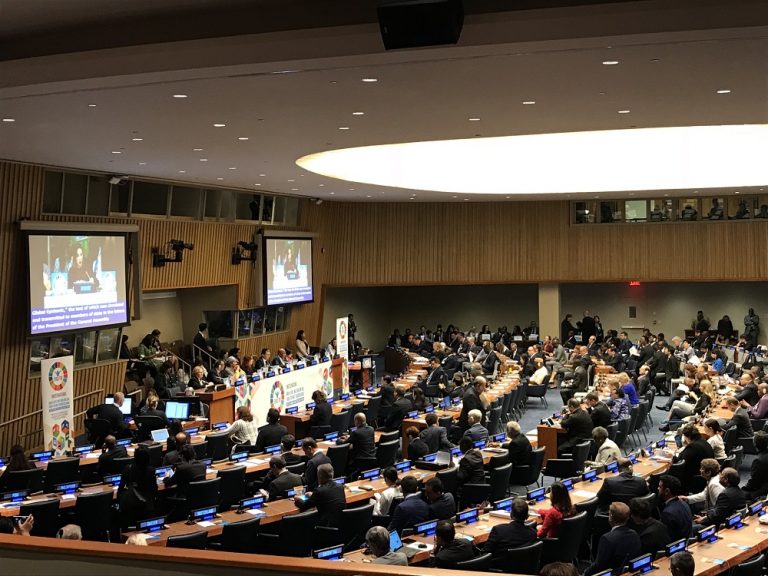
NEW YORK -- World leaders and senior representatives came together today for the first-ever High-Level Meeting on the Fight to End Tuberculosis at United Nations headquarters in New York. At the meeting, heads of state adopted a political declaration with commitments to accelerate action and funding to end the tuberculosis epidemic by 2030.

WIPO And Pharma Industry Launch Medicines Patent Database For Easier Access To Medicines

A new initiative, the Patent Information Initiative for Medicines (Pat-INFORMED), was launched today at the World Intellectual Property Organization to help health agencies procure medicines. The collaboration between WIPO and the pharmaceutical industry, a free and open-access database, provides information on the legal status of patents on approved medicines.

Brazil Signs Deal With Medicines Patent Pool To Share Patent Information

Brazil yesterday signed an agreement with the Medicines Patent Pool (MPP), through which the country will share patent information with the MPP. The Brazilian IP office joins several others in an effort to regular update of the MPP's database on patent information. Separately, high-level representatives of Latin American and Iberian countries met on the side of the annual World Intellectual Property Organization General Assemblies taking place this week.

WIPO In Good Health, IP Demand Rising, New Technologies Coming To Fore, Says Director

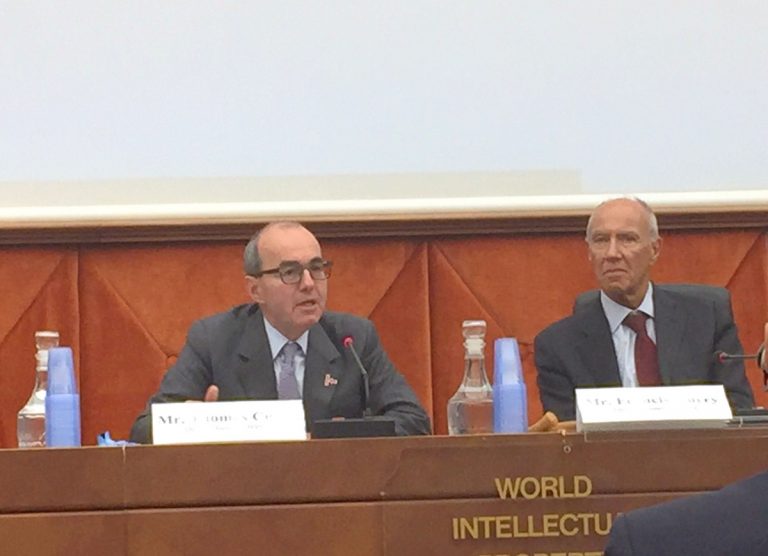
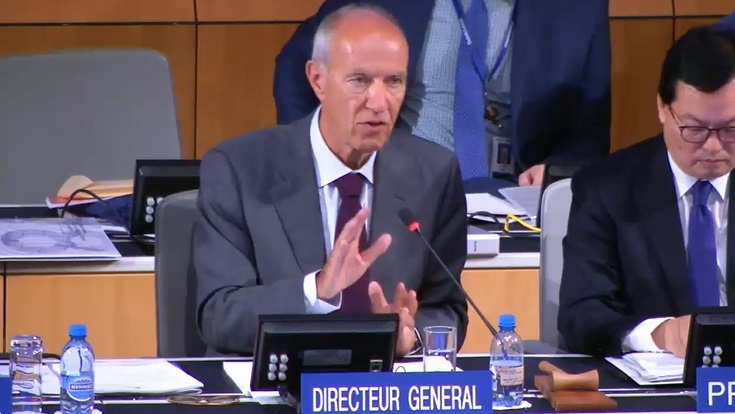
The yearly World Intellectual Property Organization General Assemblies opened today. WIPO Director General Francis Gurry in his opening report to the member states underlined the rising demand for intellectual property protection, which continues to offer a healthy financial situation for the fee-financed organisation, but called on delegates to look into the future and start discussing questions linked to the use of new technologies, such as artificial intelligence.

WIPO General Assemblies 2018: External Offices, Treaties, New African Collaborations

World Intellectual Property Organization members gather next week for their annual General Assemblies. Among the topics to be discussed is which countries will host new WIPO external offices in 2018-2019. Also on the agenda are the reports from various WIPO committees, with some raising the prospect of convening high-level final negotiations on international treaties next year. A number of side events and exhibitions are also scheduled, focusing on issues like health, women, and innovation.

Why Follow-On Pharmaceutical Innovations Should Be Eligible For Patent Protection

Christopher M. Holman writes: Despite the important role of intellectual property rights in incentivizing innovation, the patenting of pharmaceutical innovation is frequently accused of impeding access to medicine. Criticism of the prevailing patent regime has focused in particular on patents directed towards follow-on pharmaceutical innovation, i.e., innovation that seeks to improve upon existing pharmaceuticals and their use in treating patients. Patents on follow-on innovation are often derided as “secondary” patents, with the implication that the underlying inventions are somehow lesser in nature than the subject matter claimed in “primary” patents, i.e., the drug active ingredient per se. While implicitly acknowledging the legitimacy of primary patents, critics of so-called secondary patents contend that patents on follow-on innovation allow drug innovators to “evergreen” their products, i.e., to extend the period of patent exclusivity beyond the expiration of any original patent on the drug active ingredient, and in doing so contribute to the high cost of drugs, thereby limiting the ability of patients to access the drugs upon which they have come to rely.

WHO Releases Draft Roadmap For Access To Medicines; Comments Show Polarised Views

It is now acknowledged by most that the issue of access to medicines is not only a concern for developing and low-income countries, but a global challenge. The World Health Organization was tasked at its last annual assembly in May to draft a roadmap for access for the next five years. A preliminary draft of the roadmap was discussed last week with member states and stakeholders. The roadmap includes 10 priority activity areas, and a number of deliverables.

US, EU Consumer Group Releases Resolution Calling To Delink R&D From Monopoly Incentives

The Trans Atlantic Consumer Dialogue (TACD), a forum of United States and European Union consumer organisations, yesterday released a resolution calling on policymakers “to break out of the current dysfunctional and harmful trade-off between innovation and access,” and to delink research and development (R&D) from monopoly pricing.