Leading US TV Operators In IP Clash With Russian TV Channels
Leading Russian television channels, among which are First Channel, STS, Ren TV, TNT the Comedy, Nostalgia and some others, have filed a class action lawsuit related to intellectual property rights in a New York court against their US repeaters, including Infomir, Panorama TV, Goodzone TV.


Geographical Indications In The TTIP: Faites Vos Jeux

Ever heard of Törkölypálinka? It is a Hungarian grape marc spirit and one of approximately 200 geographical origins listed by the European Commission negotiators of the Transatlantic Trade and Investment Partnership (TTIP). In their newly published proposals, the EU negotiators laid out their ideas on GI protection in the deal, and point to an earlier EU-US agreement with regard to GI protection of wines and spirits. But they also acknowledge the need for considerable bridging between the two systems. GI protection is expected to be one of the highly controversial issues in the “end game” of TTIP.

South Africa: New Prominent Pro-IP Academic Comes Out Against Government

The new Anton Mostert Chair of Intellectual Property Law at the University of Stellenbosch in South Africa, Professor Sadulla Karjiker, has pointed a finger at the country’s Department of Trade and Industry (DTI) for being “unresponsive” to stakeholders offering their input into proposed IP legislation.

Special Report: India Rocked By Report Of Secret Assurance To US Industry On IP

That the Indian government has been under pressure from the United States to change its patent regime is no secret among those who follow the public discourse on intellectual property rights. Now, a new controversy about India’s alleged private assurance to the US-India Business Council (USIBC) and other lobby groups that it would not invoke compulsory licensing for commercial purposes seeks to add fuel to fiery speculation about a shift in India’s policy on IPR.

UN High-Level Panel: Ideas For Change To Global Health And IP System Proliferate

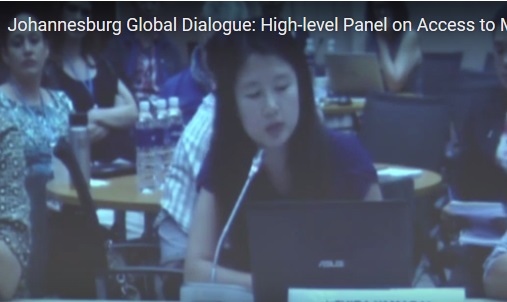
Public health advocates, academics, patients, governments and others this week presented further ideas to the United Nations Secretary-General’s High-Level Panel on Access to Medicines on ways to break the longstanding pattern of expensive medical products around the world as a way to pay for research and development.

Asian Voices On Access to Medicines: Scrap TRIPS, Voluntary Licences Not Working, FTA Threats

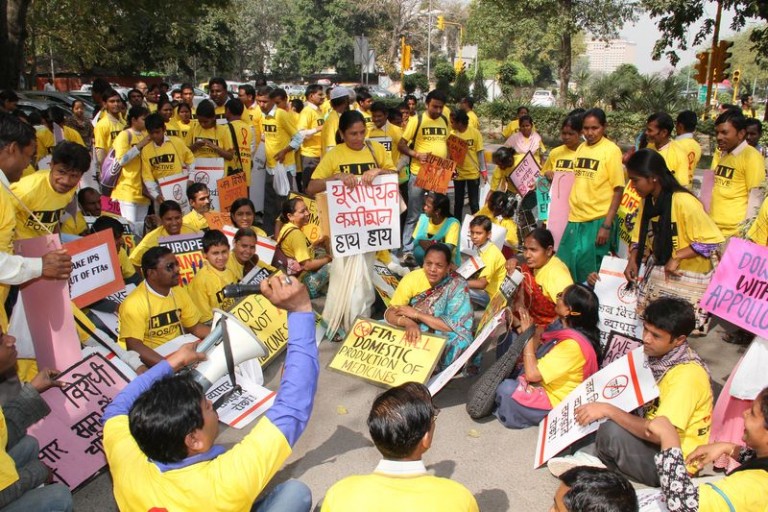
Speakers from Asian civil society provided recommendations to the public hearing of the United Nations Secretary General’s High-Level Panel on Access to Medicines held yesterday. They underlined the unaffordability of medicines in their countries, the inefficiency of current mechanisms such as voluntary licensing, and the pressure applied by pharmaceutical companies and the United States and Europe to prevent the use of compulsory licences. One speaker warned against the expert advice given by the World Intellectual Property Organization to least-developed countries, while others pointed to stringent intellectual property measures in free-trade agreements.

Internet Domain Name Expansion Pushes Dispute Resolution Cases Up At WIPO

The World Intellectual Property Organization has released data on disputes between trademark owners and third parties who are registering new domain names with the original brand name. Disputes are on the rise and the proportion relating to new generic top-level domain names is growing, it found. Fashion and banking are the prominent areas for disputes.

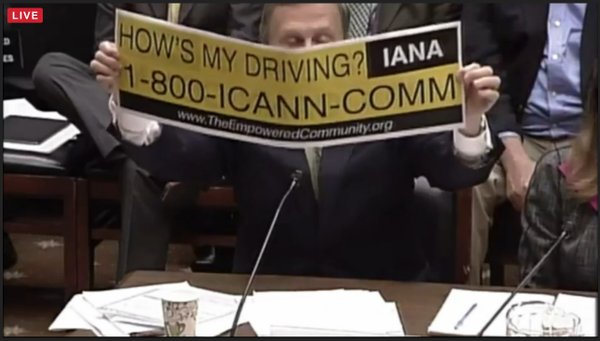
US Congress Hearing All Positive On IANA Transition Process

Witnesses testifying at the United States House Communications and Technology Subcommittee today unanimously reported success of the multistakeholder preparations for the transition of oversight over the Internet Assigned Numbers Authority (IANA) from the US government to the multistakeholder internet community.