Innovation And Access: Fission Or Fusion? Interview with David Taylor, Professor of Pharmaceutical and Public Health Policy, University College London, UK

In the light of the UN High-Level Panel on Access to Medicines, this series of sponsored articles challenges experts to give their views on the policies that best support the development of solutions to societies’ greatest challenges and how enabling policy environments, including IP systems, influence the development and flow of new technologies and services in different sectors, fields of technology, and jurisdictions. The views expressed in the articles are those of the authors. Below is an interview with David Taylor, Professor of Pharmaceutical and Public Health Policy, University College London, UK.

Biggest World Health Assembly Ever Kicks Off Next Week With A Loaded Agenda

Next week the annual assembly of World Health Organization member states will take place with a heavy agenda and its largest attendance ever. The lack of new antibiotics to address bacterial resistance, global shortages of vaccines and medicines, the fight against substandard drugs, and a framework to guard against undue influence of outside actors on the work of the WHO are part of a picture where there is an increasing blur between developed and developing countries in terms of access to medicines. And then there is the matter of electing a new WHO director general.

EU Eyes Revamp Of Policy To Speed Drug Approvals In Developing Countries

Article 58, a process introduced by the European Commission to help speed up the time low and middle-income countries take to approve new drugs, could be in for a massive overhaul. A revamp has been proposed because it is underused - just a handful of products have gone through the Article 58 process since its launch in 2004. The most recent is an antiseptic chlorhexidine gel that prevents new-born umbilical cord infections in developing countries. A joint project between GSK and Save the Children, it was approved late last month.

WIPO Copyright Committee In Freewheel Mode; Conversation Continues

It is difficult to understand whether the prospect of a treaty protecting rights of broadcasters is getting nearer or farther away at the World Intellectual Property Organization, as some countries are still calling for a diplomatic conference to finish the treaty, while others are saying agreement on core issues such as what and who the treaty should protect seems elusive. And the committee discussion of copyright exceptions and limitations was nourished by non-governmental entities explaining the need for those exceptions.

Google’s Book Scan Project Still Under Fire Despite Legal Victory

Legal barriers for Google’s monumental book-scanning project have been removed in the United States, but the initiative remains controversial and would likely run afoul of European [corrected] copyright law, legal experts say.

India Releases New Intellectual Property Policy; Reactions Building

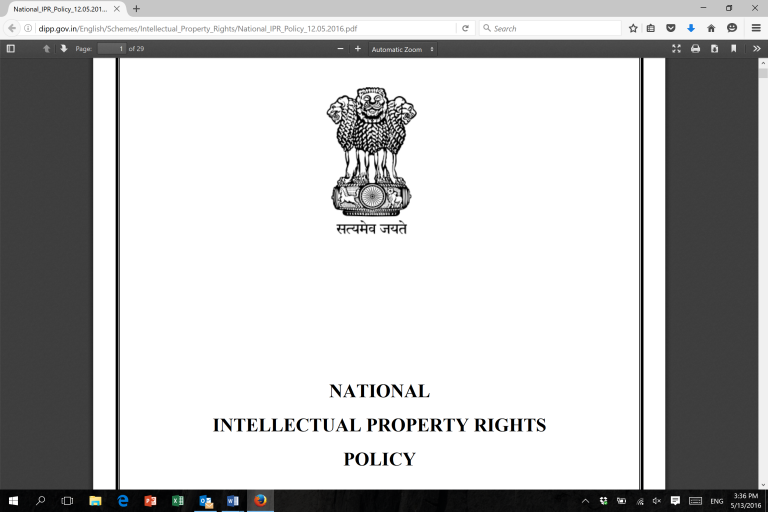
The Indian government today released its long-awaited new intellectual property policy, and preliminary reactions appear to be that it caters to international pressures while attempting to provide a national focus. A more careful reading with reactions will follow.

Hesitant Steps For Broadcasting Treaty At WIPO; Study On Copyright Exceptions Praised

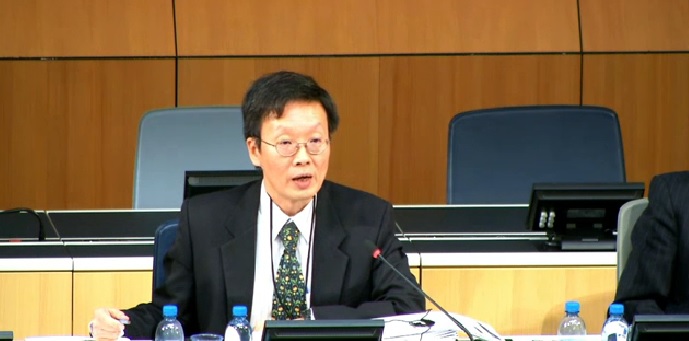
The protection of broadcasting organisation against signal piracy has been discussed at the World Intellectual Property Organization for two decades. However technological advances might have made the draft treaty as it stands obsolete some say, while others maintain that the treaty should stick to its original intent, leading to difficult discussions on core principles. On another subject of the WIPO committee on copyright meeting this week, a draft study was presented mapping the copyright limitations and exceptions provisions for educational activities in most WIPO member states.