ICANN Frees .Amazon Domain For Company Delegation
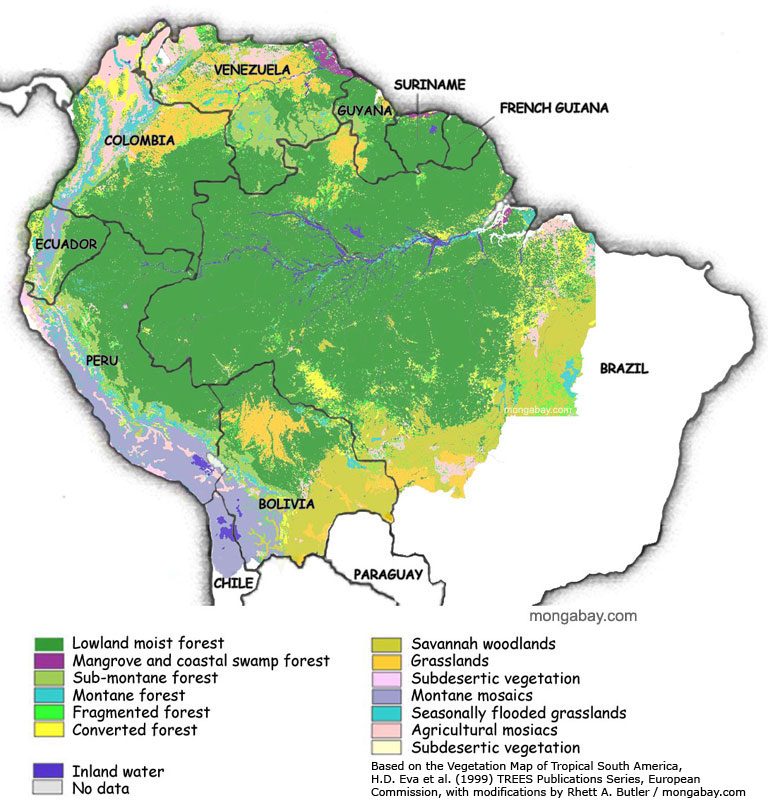
The Internet Corporation for Assigned Names and Numbers (ICANN) has lifted the stop on delegating the .amazon top-level domain, effectively handing it to the company over the South American region, depending on agreement with states in the Amazon region.
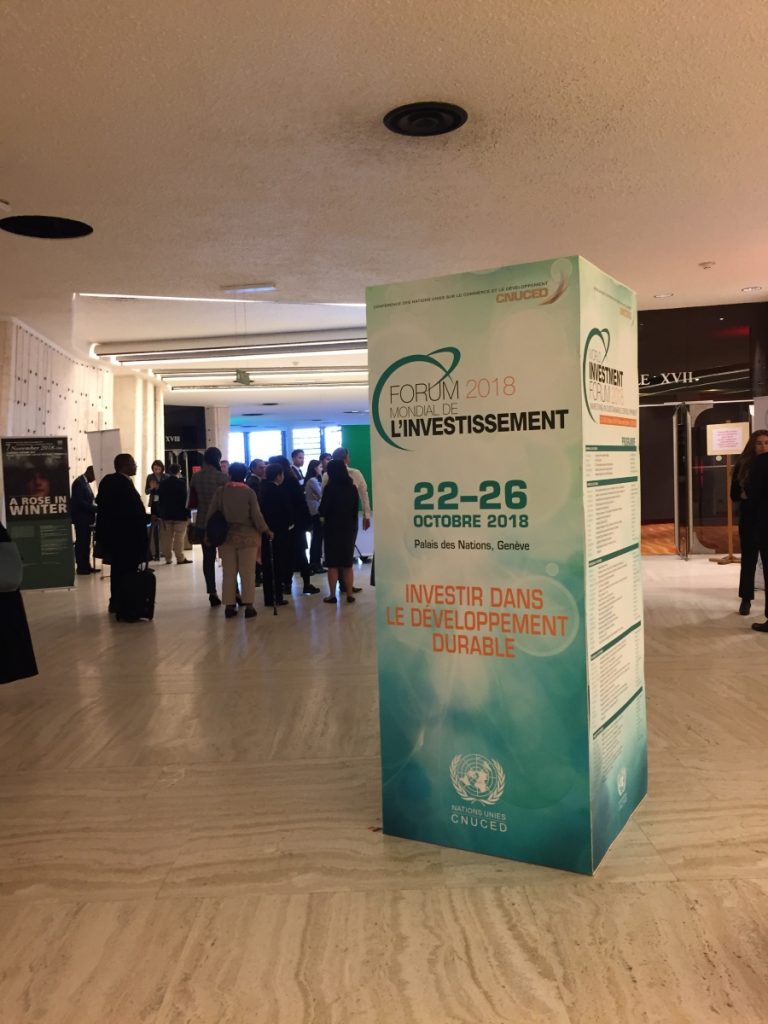
Investing In New Antibiotic Research: Difficult Equation Discussed At World Investment Forum

The diminishing arsenal of efficient antibiotics to fight bacteria is a threat denounced by many, but investment in research and development of new antibiotics is seen as lagging. As the danger of getting back to a pre-antibiotic age is increasing, alternative ways of financing new antibiotics are being discussed. At the World Investment Forum this week, a panel looked into innovative means of investment, and ways to attract private investors to this field.

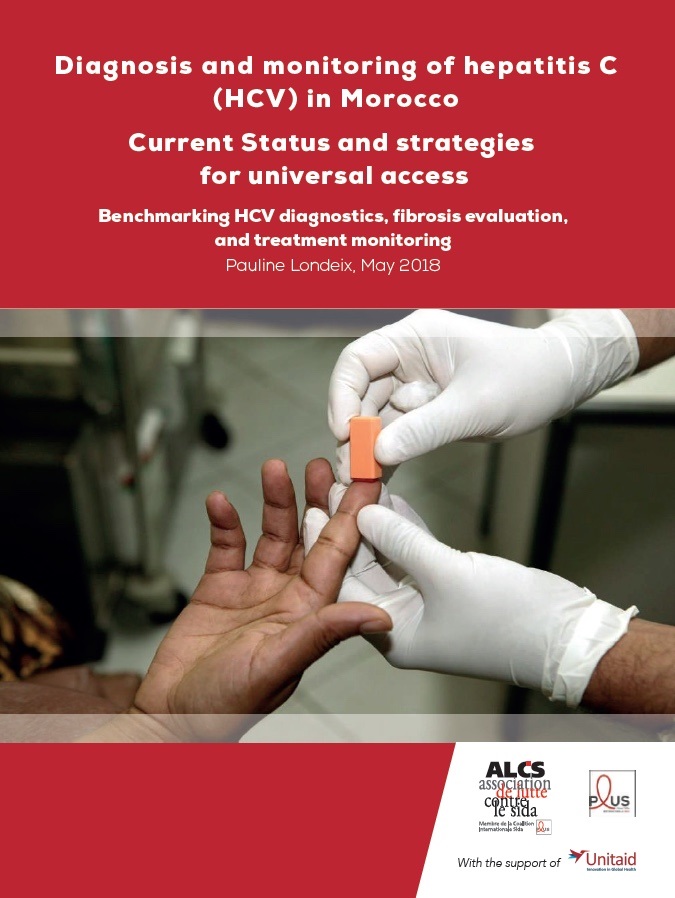
Near-Monopolies On HCV Diagnostics Curb Competition, Keep Prices High, Research Finds

Monopoly prices of diagnostic tools and lack of competition in the market constitute a barrier to treatment for people with hepatitis C virus (HCV), but the increased use of “open” diagnostic platforms could reduce prices, a health advocacy research study has found.

US Interference In EU SPC Manufacturing Waiver “Unacceptable,” Says EU Generic Industry Group

Generics industry group Medicines for Europe has declared United States interference in the European Union legislative process on the supplementary protection certificate (SPC) manufacturing waiver “unacceptable,” and an attempt to “influence the outcome of this EU legislative proposal.”

WHO Members Consider Possible Changes To Pandemic Influenza Framework

A hundred years ago, the influenza pandemic known as the “Spanish flu” infected one-third of the world population, and resulted in an estimated 50 million deaths. Last week, the World Health Organization held a consultation on possible changes to its 2011 agreement to prepare for the next pandemic influenza. Two major questions were on the table: whether to extend its agreement to seasonal influenza, and how to deal with pandemic influenza genetic information, which is increasingly used instead of biological samples of viruses.

ICANN63: The “Practical Peace Project” – Tested By IP Rights Concerns And A Privacy Tussle

BARCELONA, Spain -- The Internet Corporation for Assigned Names and Numbers (ICANN) is struggling over Europe's privacy legislation. Is there a data “war” in the making? It is exactly 20 years since the founding of ICANN and two years after being finally fully privatized, and the self-regulatory internet domain name body has been named a “practical peace project underway” by its President and CEO Göran Marby. But it is now struggling with an old issue: privacy and access to personal information in the Whois database.

G77+China Plan To Take UN TB Declaration Forward: Increased Resources, Access To Medicines

The Group of 77 developing countries plus China delivered a statement at the recent United Nations High-Level Meeting on Tuberculosis, calling for forward progress on the commitments to funding and action made in the UN political declaration on TB.

New US Law Requires Reporting Of Biologic, Biosimilar “Pay-for-Delay” Pacts

The Patient Right to Know Drug Prices Act became effective in the United States on 10 October. Among other things, it extends to biologic and biosimilar products a 2003 law requiring drug manufacturers to notify US antitrust authorities of patent settlement agreements. The idea is to cut down on so-called “pay-for delay” tactics which can slow the introduction of cheaper medicines into the market.

Research Group Identifies Over-Patenting Of Pharmaceuticals In India, Calls For Patent Reform

The tricontinental research group “accessibsa” has found that while the Indian Patent Office rejects 40 percent of pharmaceutical patent applications, it should be rejecting 90 percent of applications to comply with Indian patent law, according to the results of its recent study of Indian patent data.

WEF: US Most Competitive, But Idea Generation, Agility Will Shape Future Growth

The generation of ideas, entrepreneurial culture, openness, and agility - by companies, policymakers, and workers - to adapt quickly and embrace change and not resist it, are factors that will have the greatest impact in driving growth and competitiveness in the years ahead in a world increasingly transformed by new, digital technologies, a report by the World Economic Forum said.