Dominica Accepts TRIPS Health Amendment; Two More To Go?
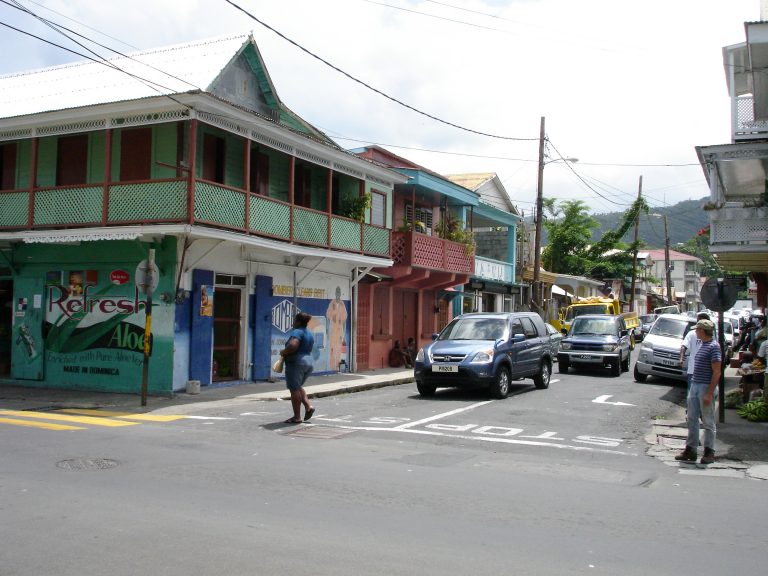
The government of Dominica has deposited its instrument of acceptance of the 2005 so-called "paragraph 6" amendment to international intellectual property trade rules aimed at making it easier for countries to export affordable medical products to developing countries. Dominica's signing brings the number of signers to 65 percent of WTO members, according to the WTO. Two-thirds of WTO members must accept it for the amendment to go into effect, but it is unclear exactly how many members that represents. It appears that two or three more members will tip the scale.
CERN Staff Association Says There’s A “Loose Screw” At Top Of EPO

The Staff Association of the Geneva-based European Organization for Nuclear Research (CERN) this week issued a strongly worded statement in solidarity with staff at the European Patent Office. They called the EPO essential to Europe and said the EPO president's repressive "19th century"-style anti-worker tactics are endangering the institution and the European economy.

FAO Postpones New Director For Office In Geneva

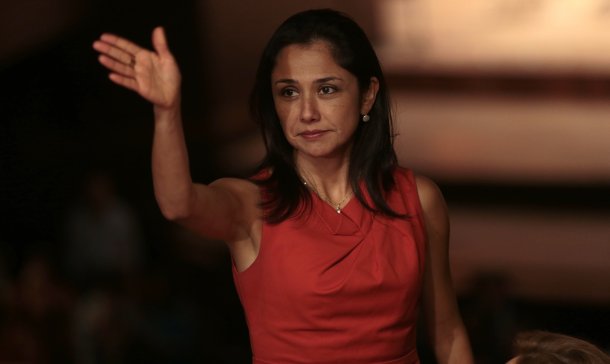
The United Nations Food and Agriculture Organisation (FAO) today announced the postponement of the assumption of duties of the person appointed to become the new director of the FAO liaison office in Geneva. The postponement comes after the government of Peru raised concerns that FAO's appointment of former Peruvian first lady Nadine Heredia Alarcón interferes with a government investigation of corruption and money-laundering against her.

First Attempt At Bridging Textual Gaps On Traditional Knowledge Protection At WIPO

A new text suggested by facilitators in the ongoing discussions on the protection of traditional knowledge at the World Intellectual Property Organization attempts to tighten options to facilitate further discussions. They focused on the policy objectives of the potential treaty, what it should cover, and who should benefit from it - whether only indigenous peoples or states as well. Separately, Switzerland made a suggestion for a way forward with "positive" protection of TK.

Antigua & Barbuda To Lift US IP Protection In 2017 If US Fails To Comply With WTO Ruling

Caribbean nation Antigua & Barbuda has declared that it will exercise an option granted it by a World Trade Organization dispute settlement panel to lift protection on US intellectual property rights starting in 2017 if the US does not finally change a law blocking the island nation's online gambling services or compensate it.

WHO Group Suggests New Name For Falsified Medicines, Dropping ‘Counterfeit’

A widely representative World Health Organization technical working group has recommended new terminology for substandard or falsified medicines, after years of sharp disagreement among WHO members that led to the tongue-twister: “substandard/spurious/falsely-labelled/falsified/counterfeit” medical products. The working group recommends a simpler formula: kick out intellectual property rights by dropping the term “counterfeit” and just call the products “substandard and falsified.”

Kenya: Collective Management Organisations In Danger After Court Questions Their Role

NAIROBI, Kenya -- A ruling this month by a Kenyan court that artists, performers and musicians cannot be compelled or forced to join a collective management organisation (CMO) to collect royalties on their behalf could spell doom for CMOs in the country, experts fear.

On Eve Of WIPO Traditional Knowledge Negotiations, Nations Swap Experiences

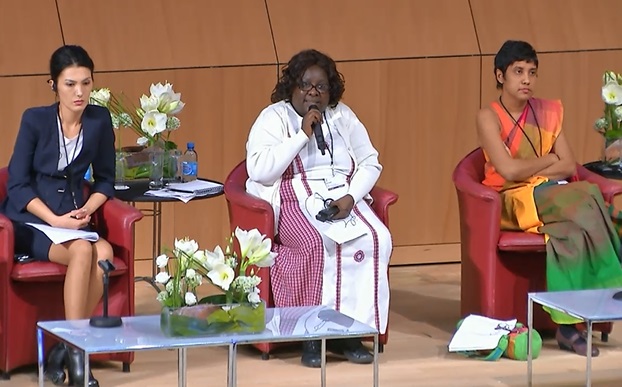
A seminar was organised by the World Intellectual Property Organization to provide a discussion platform on the eve of this week’s meeting on the protection of traditional knowledge, and as a way for countries to share systems of protection. Panellists presented views on possible graduated protection for different sorts of traditional knowledge.

New US Copyright Rule Sets Trap For Online Firms

The US Copyright Office is supposed to balance the interests of copyright owners with the interests of everyone else. However, the Office’s latest regulation, which takes effect 1 December, may be anything but fair and balanced. It could, according to critics, strip Facebook, YouTube, and other online companies of a vital statutory safe harbor, thus making these companies liable when their users post infringing material online. Online companies could face billions in infringement damages, driving them out of business.