European Commission Public Consultation On Plan To Fight Antimicrobial Resistance
The European Commission has launched a call for comments on its proposed plan to help EU members fight antimicrobial resistance.

Original news and analysis on international IP policy
The European Commission has launched a call for comments on its proposed plan to help EU members fight antimicrobial resistance.

The death was quick, quiet, and unmourned. The Copyright Alert System – a once vaunted plan to stop online copyright infringement in the US – was killed on 27 January. Lasting only four years, CAS had accomplished little and satisfied no one, according to many experts. What went wrong? And what is the movie and music industries’ next plan to combat online infringement?
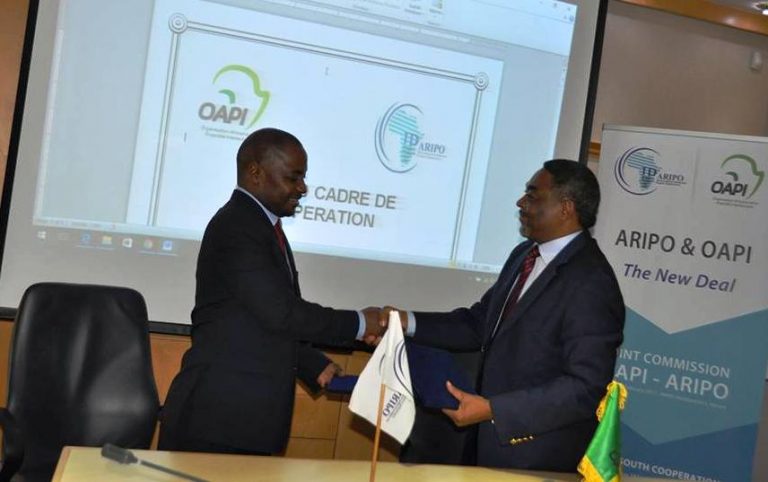
The African Regional Intellectual Property Organization (ARIPO) and its sister organisation, Organisation Africaine de la Propriété Intellectuelle [African Intellectual Property Organization] (OAPI) have signed a memorandum of understanding to harmonise the intellectual property systems of the two institutions.
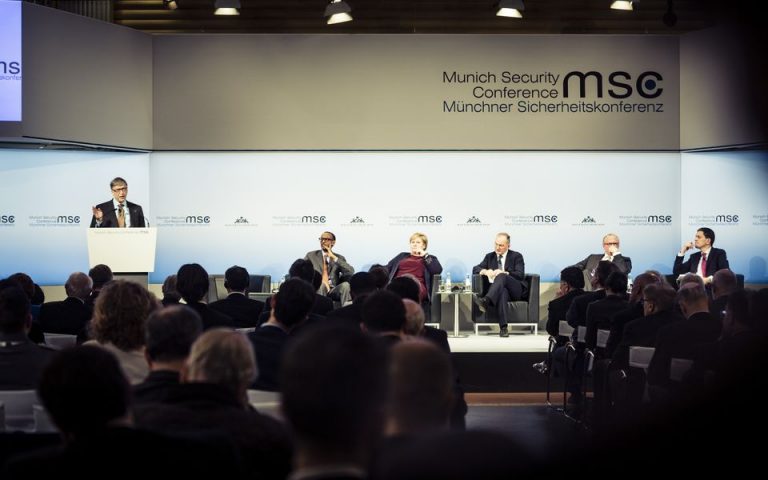
Microsoft founder and Bill & Melinda Gates Foundation Co-Chair Bill Gates called on governments gathered at the annual Munich Security Conference this week to not “ignore the link between health security and international security.”

NEW YORK -- At a recent biotechnology investors event in the United States, the prospect of repeal or redesign of the Affordable Care Act, the president’s recent remarks on the prospect of Medicare negotiating prices directly with pharmaceutical corporations, and the public debate surrounding high priced medicines, meant few panels were immune from questions of affordability, access and payment.
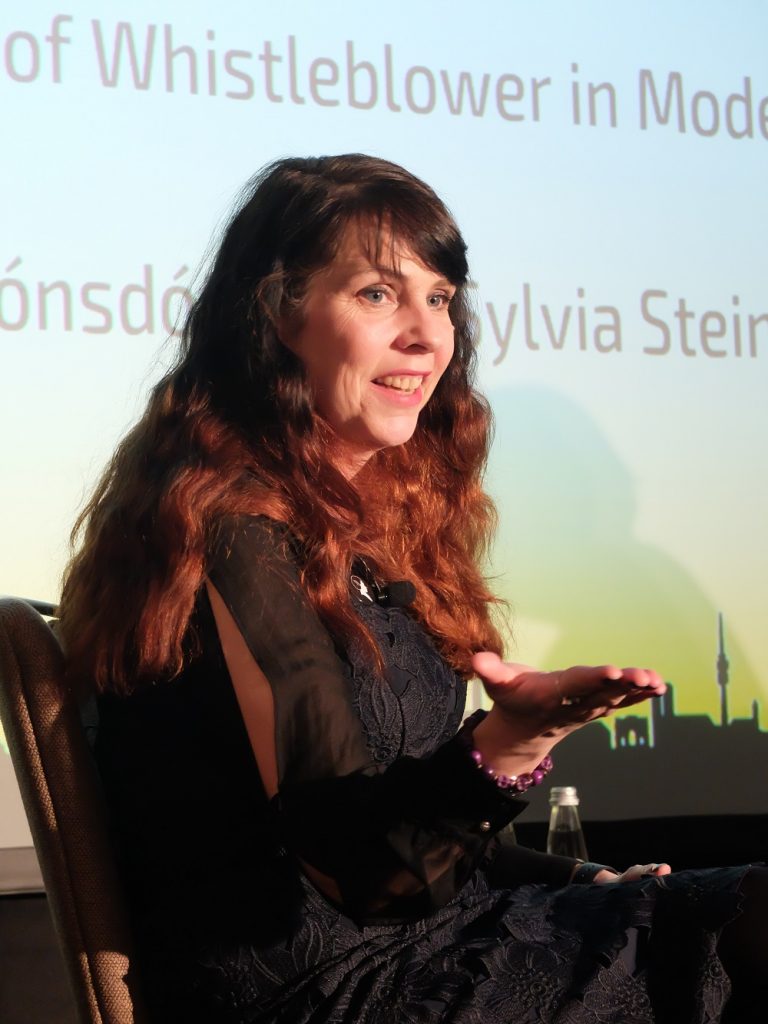
MUNICH -- For the Pirate Party gathered at the Pirate Security Conference (PirateSecon) in Munich this is bad news. On the eve of the PirateSecon, held alongside the big Munich Security Conference, the city council of Munich decided to reverse the once-celebrated migration to LiMux, its much reported about Linux platform. For the German Pirate Party, the dismantling of “LiMux” is a step in the wrong direction. At the third edition of the Pirate Security Conference Pirate Party members from Luxembourg, Iceland, Switzerland and the Czech Republic discussed how to take back data and even algorithms – and how to win elections.
Search engines Google and Bing have signed a voluntary code of conduct with the British Phonographic Industry (BPI) and the Motion Picture Association to prevent consumers from being directed to copyright-infringing websites, the UK Intellectual Property Office said on 20 February. The deal, brokered by the IPO, comes into effect immediately and is intended to reduce the visibility of infringing content in searches by 1 June, the office said.
In a case pitting standards development organisations against internet content aggregators, a United States federal court ruled that Public.Resource.Org breached copyright by posting unauthorised copies of standards incorporated into government education regulations. Public Resource has appealed.

On 12 December, the Argentinian Copyright Office and the Ministry of Culture invited a group of stakeholders, among which was this author, to discuss the final draft of the Exceptions and Limitations Bill (Proyecto de Ley de Excepciones) to modify current Copyright Act no.11.723 of 1933. One wonders whether it would be better to draft from scratch a modern Copyright Act instead of patching up the old 1933 Act. Nevertheless, the bill is welcomed. Argentina, as this author has already expressed, has one of the most restrictive copyright laws in the world (see Propuestas para ampliar el acceso a los bienes públicos en Argentina – Estableciendo el necesario balance entre derechos de propiedad intelectual y dominio público, Maximiliano Marzetti, Buenos Aires, 2013).
There are a vast amount of ways in which you can structure an intellectual property collaboration between a university and business. This article looks to provide guidance and points for consideration by both sides.