Category WTO/TRIPS

Experts In Geneva: Substandard, Falsified Medicines Not About IP

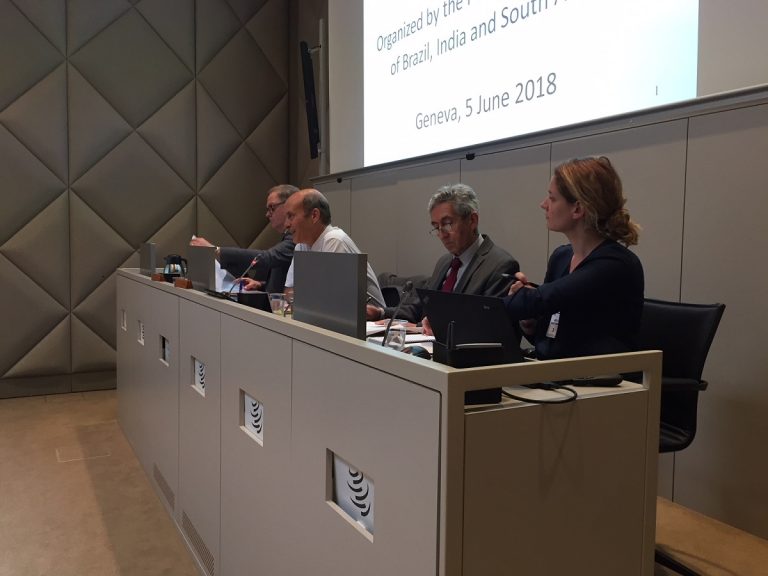
Falsified and substandard medical products continue to be a global concern, and how those products are characterised is important to avoid confusion, particularly with intellectual property rights infringement. A panel convened by Brazil, India and South Africa yesterday at the World Trade Organization looked at the implications of a new definition of such products at the neighbouring World Health Organization.

IP Rights Through Two Lenses At Next Week’s TRIPS Council: Improving Lives, Competition Law

Next week, the World Trade Organization intellectual property committee is invited to discuss two distinct aspects of intellectual property protection. One group of countries is proposing to explore the value of IP and its role in improving lives in a persistent agenda item on IP and innovation. Another group of countries is pushing for a more recent agenda on IP and the public interest and next week is suggesting to discuss how to use competition laws against the abuse of IP rights.

TRIPS Flexibilities In High Demand

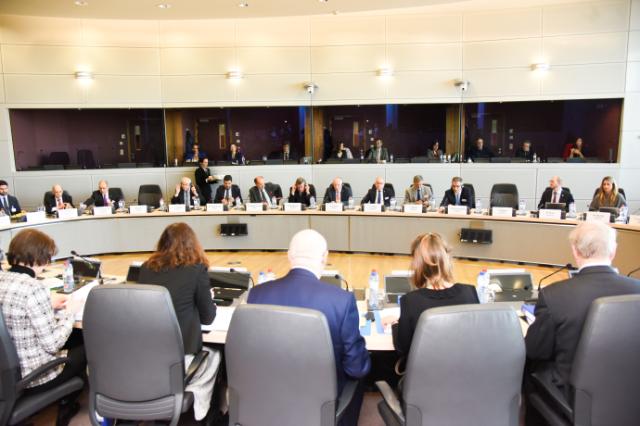
Using flexibilities in the World Trade Organization Agreement on Trade-Related Aspects of Intellectual Property Rights (TRIPS) has long been an issue of the developing world. But policymakers gathered at a meeting on access to health in Brussels today said there was an urgent need for European Union countries, too, to make more use of flexibilities.

Groups Target EU-Mercosur FTA To Advance Access To Health In Trade Deals

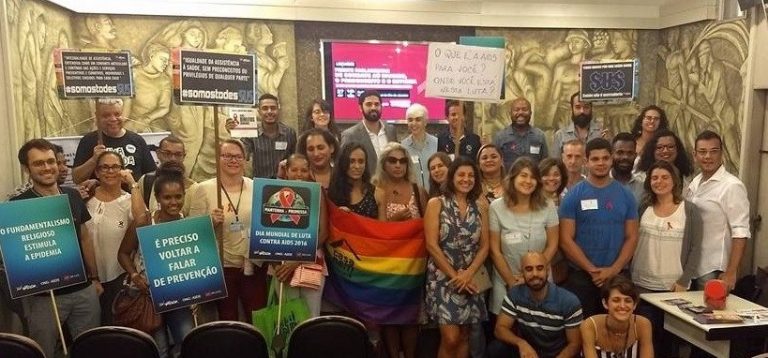
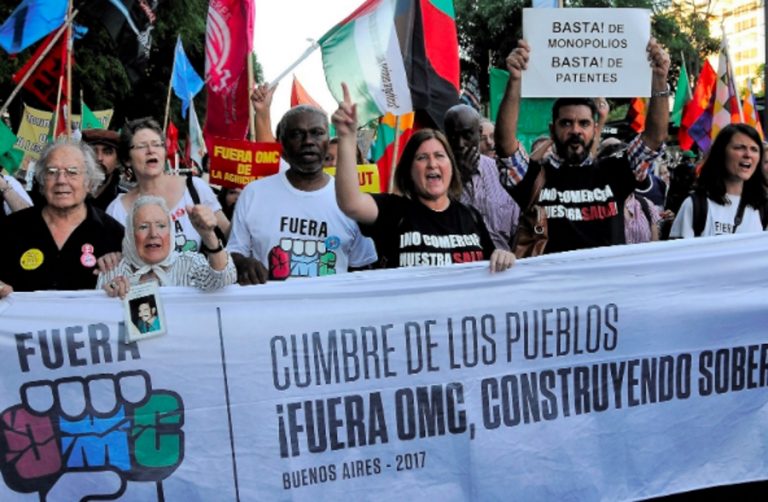
AIDS activists, health activists and civil society organizations in Brazil and Argentina are pushing back against the negative effects of the planned free trade agreement between the Mercosur countries and the European Union. The EU-Mercosur negotiations might be the best chance as of now to advance an intellectual property agenda that is more favourable to access to health, says Pedro Villardi, coordinator on IP policy issues at the Associação Brasiliera Interdisciplinar de Aids Observatorio National de Politicas de Aids (ABIA).

Civil Society Key In TRIPS Flexibility Implementation

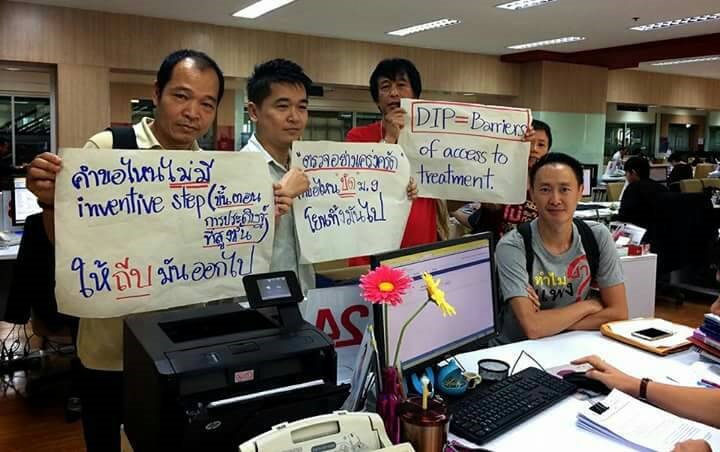
When the agreement on intellectual property was adopted by the World Trade Organization, a number of flexibilities were included in the text, mainly to give developing countries policy space to implement the agreement with development considerations. However, some countries through lack of awareness or economic pressure have not used those flexibilities fully, and found themselves facing difficulties addressing their public health needs, which some associate with this failure to use the flexibilities. Civil society has engaged in notable efforts to counter pressure and raise policymakers' awareness for a wider access to medicines.