Category WTO/TRIPS

Interview With The President Of Brazil’s Industrial Property Institute

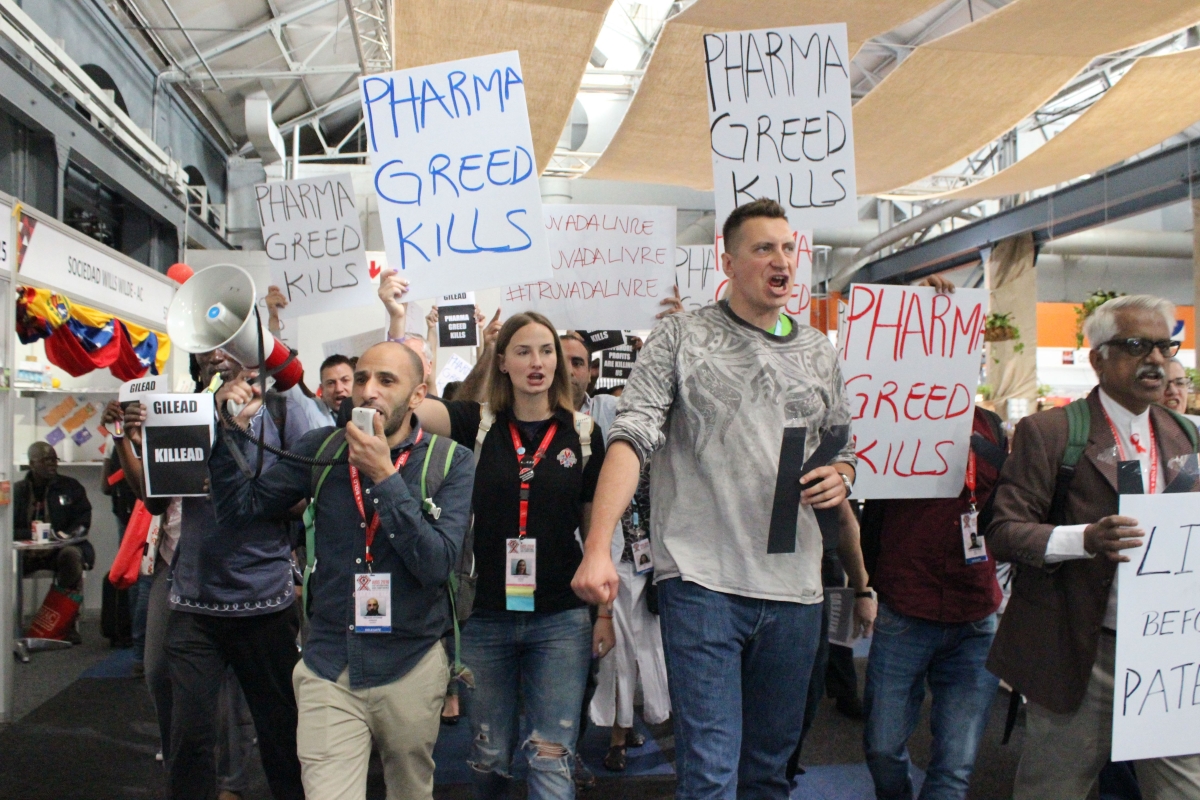
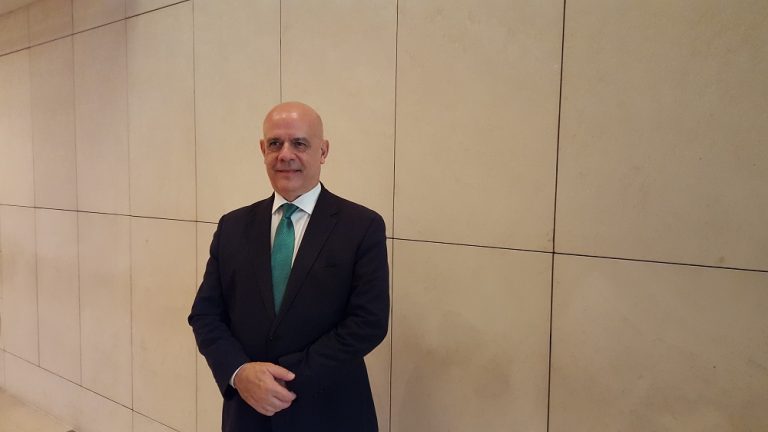
Luiz Otávio Pimentel is president of the National Institute of Industrial Property (INPI) of Brazil. In Geneva this week for the annual World Intellectual Property Organization General Assemblies he took time to sit down with Intellectual Property Watch’s William New. INPI is part of the Ministry of Industry, Foreign Trade and Services. On a breaking issue, Pimentel talked about the case in Brazil involving sofosbuvir, marketed as Sovaldi, Gilead’s effective medicine against hepatitis C that has been known for its exorbitant prices.

Why Follow-On Pharmaceutical Innovations Should Be Eligible For Patent Protection

Christopher M. Holman writes: Despite the important role of intellectual property rights in incentivizing innovation, the patenting of pharmaceutical innovation is frequently accused of impeding access to medicine. Criticism of the prevailing patent regime has focused in particular on patents directed towards follow-on pharmaceutical innovation, i.e., innovation that seeks to improve upon existing pharmaceuticals and their use in treating patients. Patents on follow-on innovation are often derided as “secondary” patents, with the implication that the underlying inventions are somehow lesser in nature than the subject matter claimed in “primary” patents, i.e., the drug active ingredient per se. While implicitly acknowledging the legitimacy of primary patents, critics of so-called secondary patents contend that patents on follow-on innovation allow drug innovators to “evergreen” their products, i.e., to extend the period of patent exclusivity beyond the expiration of any original patent on the drug active ingredient, and in doing so contribute to the high cost of drugs, thereby limiting the ability of patients to access the drugs upon which they have come to rely.

Analysis: Move To Contain Global Challenge By Ascending China At Play In Escalating Trade War Between Washington And Beijing

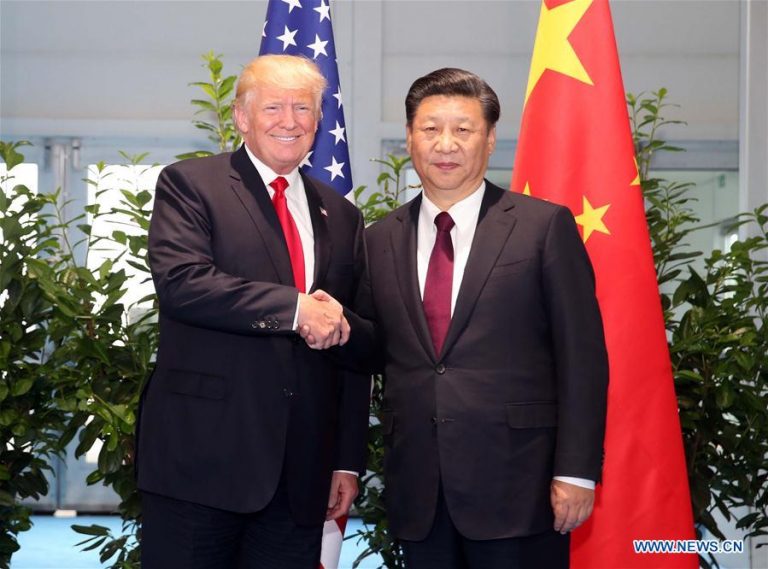
The latest escalation in US-Sino trade tensions following the announcement by President Donald Trump on 17 September that the US will slap 10 percent punitive tariffs on $200 billion worth of Chinese goods imports effective on 24 September and increase them to 25 percent on 1 January 2019, and China's counter-salvo announced on 18 September to impose tariffs of between 5 and 10 percent on $60 billion worth of US goods imports to kick in on 24 September may prove difficult to ease back from the brink.

Indonesia, Cuba Do Not Appeal WTO Plain-Packaging Ruling

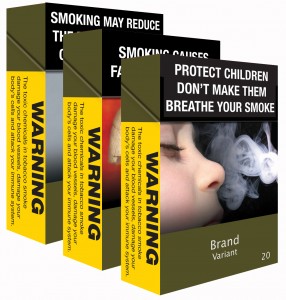
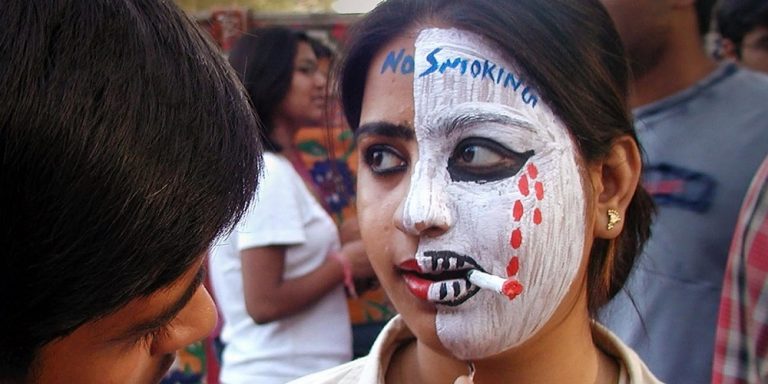
The governments of Cuba and Indonesia today chose not to appeal a June ruling at the World Trade Organization that upheld Australia's law requiring tobacco products sold in the country to be packaged without logos or other trademarked designs. That leaves Honduras and the Dominican Republic alone in their appeals of the decision.

Dominican Republic Appeals WTO Plain Packaging Decision

The Dominican Republic has followed Honduras in appealing a decision by a World Trade Organization dispute settlement panel that found Australia's tobacco plain packaging law to be allowable under WTO rules. Cuba and Indonesia also had cases against Australia but so far have not appealed.

Negotiators On UN TB Resolution May Have A Deal

NEW YORK – Negotiators for a United Nations declaration on tuberculosis, meeting intensively in New York this week, may have reached agreement today on a key sticking point related to intellectual property, innovation and access to new medicines, according to sources. An agreement, if accepted by other delegations, could allow the text to proceed to the high-profile High-Level Meeting scheduled to take place at the UN General Assembly next month.

Civil Society And TRIPS Flexibilities Series – Translations Now Available

Patients around the world, in developing and developed countries, are encountering barriers to access to affordable medical products, in part due to patents and resulting high prices. This is occurring despite longstanding protections built into international trade rules to allow smaller economies to act on behalf of their people and make such medical products available regardless of patents. These protections are often referred to as flexibilities in the 1994 World Trade Organization Agreement on Trade-Related Aspects of Intellectual Property Rights (TRIPS). The prevailing view is that knowledge, understanding and use of them remains limited among policymakers and many potential beneficiaries, even as patent-strong nations and their industries work to narrow the reach and ability to use these flexibilities. In the face of this, global civil society in recent years have increasingly begun work to change the direction of this trend, with the ultimate goal of helping people everywhere - but particularly poor populations - obtain drugs they need that exist but are out of their reach. Now, the series of Intellectual Property Watch stories on this subject sponsored by Make Medicines Affordable have been translated into five languages.

A Look At Honduras’ Appeal In WTO Ruling On Tobacco Plain Packaging

In an appeal of a recent World Trade Organization dispute panel ruling, Honduras detailed a list of alternate interpretations of the decision to uphold Australia’s tobacco plain packaging measures. Honduras called on the WTO Appellate Body to “reverse the Panel’s findings and conclusions,” claiming that the ruling was “not the result of an objective assessment of the matter.”