Category WTO/TRIPS

A Look At The Role Of Governments, Universities, Science In Health Innovation & Access

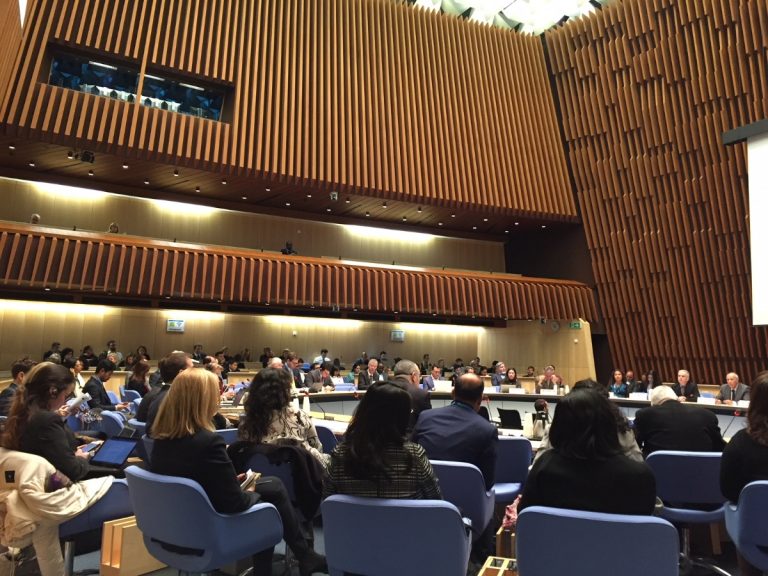
Intellectual property rights, particularly patents, are considered by some as being a barrier in access to medicines despite being a stimulus for innovation. At a recent symposium co-organised by the World Health Organization, World Trade Organization and World Intellectual Property Organization, speakers also talked about the role of science, governments, and universities in health innovation and access, and how to address challenges such as secondary patents.

Medicines Vastly Overpriced, Generics Too: Discussion At WTO-WIPO-WHO Symposium

The price of hepatitis C medicine marked a turning point in the discussion on access to medicines, with developed countries suddenly confronted to prices they could not afford. This week, a symposium jointly organised by the World Health Organization, the World Trade Organization, and the World Intellectual Property Organization explored the question of the pricing of medicines. A number of suggestions were made to alleviate the issue, such as ensuring wide use of generic medicines, encouraging competition, and alerting countries about the cost of medicine production so they negotiate better with pharmaceutical companies.

WTO TRIPS Council Looks At IP And The Public Interest, Importance Of Research Exemption

A relatively new topic of discussion at the World Trade Organization committee on intellectual property is the relationship between intellectual property and the public interest. This week, WTO delegates discussed the application and benefits of a regulatory exception to IP rights allowing earlier entry of generics to the market, known as the Bolar exception. The committee also heard about a request from least-developed countries (LDCs) to improve technology transfer measures that developed countries have the obligation to provide under WTO rules.

WTO TRIPS Council: For Some, IP-Intensive Industries Are Engine Of Economy. For Others, IP Alone Is Not Sufficient

The World Trade Organization committee on intellectual property met this week and gave an opportunity to WTO members to discuss the value of intellectual property for micro, small and medium sized enterprises (MSMEs), and its importance for IP-intensive industries. Several members, such as the European Union on behalf of its members presented data to illustrate the importance of IP for MSMEs. Meanwhile, India and South Africa remarked that IP is only one factor to promote innovation, but are not a sufficient ingredient.

WTO, WHO, WIPO Heads Share Views On Innovation And Access At Trilateral Symposium

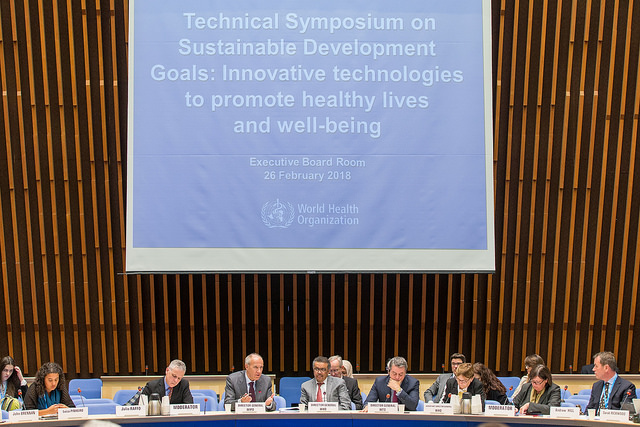
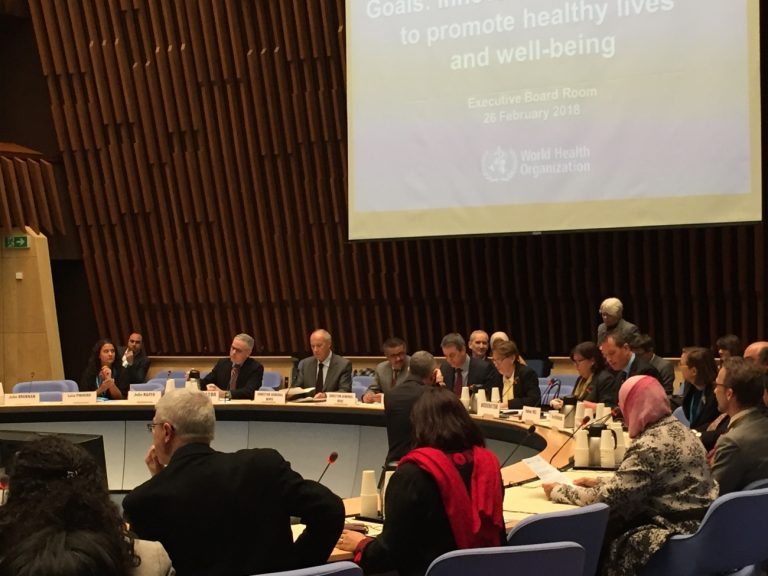
How to encourage health innovations and make sure that new medicines, vaccines, or diagnostics will reach every person who needs them? That is a question which has been hotly debated in different fora. Yesterday, the World Trade Organization, UN World Health Organization, and UN World Intellectual Property Organization jointly held a symposium on how innovative technologies can promote the United Nations Sustainable Development Goals. The WHO director general called on his colleagues to support policies facilitating access to health technologies.

Swiss Panel Looks At Value-Based Drug Pricing, Link Between R&D And Prices

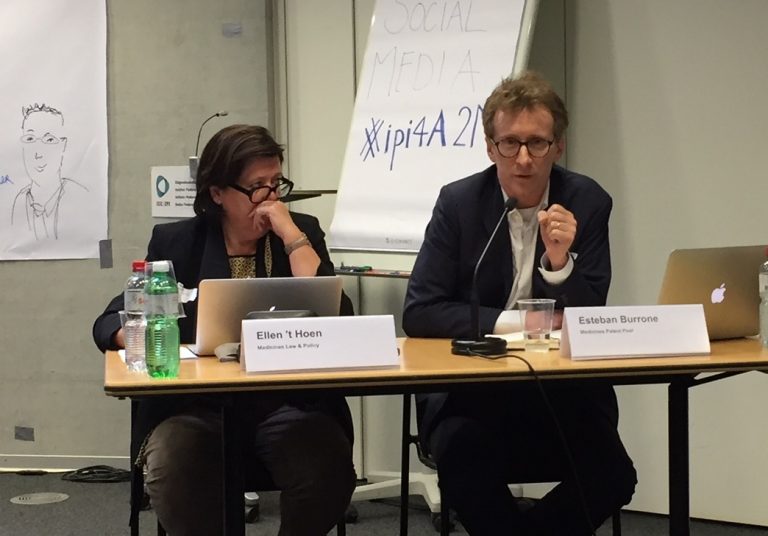
Some products are too cheap, generic drug companies do not invest in them because they do not make enough money out of them. Others seem astronomically expensive, and are said to include the costs of all research, successes and failures alike. Panellists at a recent Swiss-organised expert event in Bern concurred that something must done about pricing, and explored some surprising ways to do it.

Least Developed Countries Ask For Better Implementation Of TRIPS Tech Transfer Requirements

The World Trade Organization council on intellectual property rights will hold the first of its three annual meetings next week. The now-usual item on IP and innovation is joined by a discussion topic on IP and the public interest. Separately, the WTO least developed countries group has put forward a request that developed countries fully implement their technology transfer requirements under the WTO rules. The council meeting will be preceded by a high-level trilateral meeting of the WTO, World Health Organization and World Intellectual Property Organization.

US Working To Block UN High-Level Panel On Access To Medicines Ideas In Geneva And Capitals

The United States, possibly working with like-minded countries, is working to prevent the further spread among international organisations in Geneva of recommendations put forward by the 2016 United Nations High-Level Panel on Access to Medicines, considering them to be ideological driven and dangerous to economic growth. The comments were made by a US official speaking to a recent US industry event in Washington DC involving many of the US intellectual property attachès, at which two attachés from Geneva described latest developments and strategy for the coming year. A key message from attachès to industry: come to Geneva and engage, starting with this week’s Executive Board meeting at the World Health Organization.

How International IP Policy Reconfigured National Politics: An Interview With Prof. Ken Shadlen

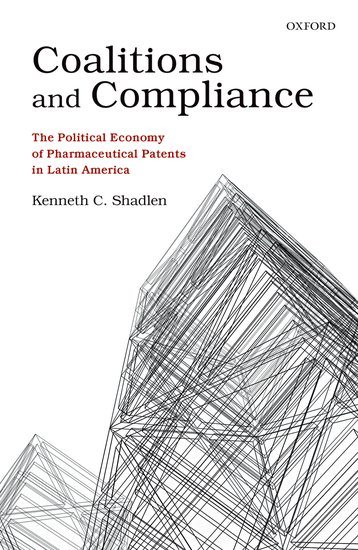
The recently published book Coalitions and Compliance by Professor Ken Shadlen of the London School of Economics examines how international changes can reconfigure domestic politics. Since the late 1980s, developing countries have been subject to intense pressures regarding intellectual property rights. These pressures have been exceptionally controversial in the area of pharmaceuticals. Historically, fearing the economic and social costs of providing private property rights over knowledge, developing countries did not allow drugs to be patented. Now they must do so, an obligation with significant implications for industrial development and public health. This book analyses different forms of compliance with this new imperative in Latin America, comparing the politics of pharmaceutical patenting in Argentina, Brazil, and Mexico. The book focuses on two periods of patent politics: initial conflicts over how to introduce drug patents, and then subsequent conflicts over how these new patent systems function. Intellectual Property Watch recently conducted a Q&A with Prof. Shadlen, which appears below.