Category WTO/TRIPS

Trade Agreements Making Rules In New Technologies, Territoriality An Issue For IP In Digital Age

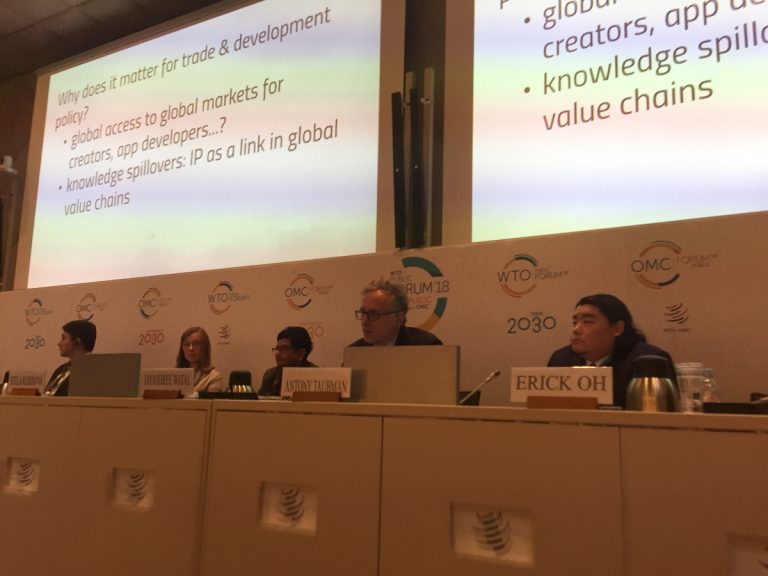
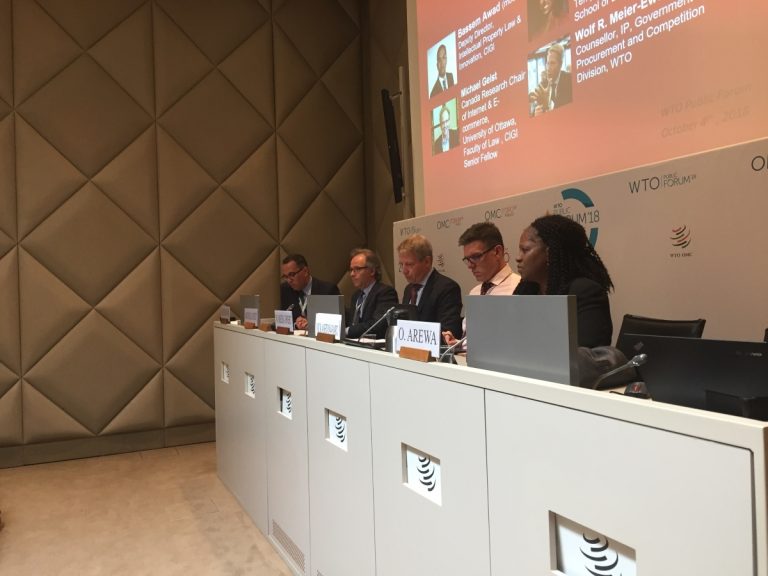
As new technologies have pervaded society, with more to come, policymaking has become a difficult exercise. Rules established before those game-changing technologies might be outdated. A session at the World Trade Organization Public Forum last week looked at how intellectual property rules are faring in the time of digital technologies. Speakers remarked on the role of regional trade agreements in norm-setting, and the growing issue of the territoriality of rights for copyright.

IP Rights Increasingly Traded In New Digital Age, WTO Panel, Report Say

The digital revolution has transformed the way trade is taking place. The share of goods like CDs, books and newspaper is dropping in terms of global trade volume, pushed down by digital goods. In that context, intellectual property rights are also increasingly traded, in particular IP licences, in what a World Trade Organization official defined as a major phenomenon. While the United States is the leader in the digital market, China took pole position in video games in 2017.

Trade In 2030: Just Who Will Decide The Rules On Ecommerce?

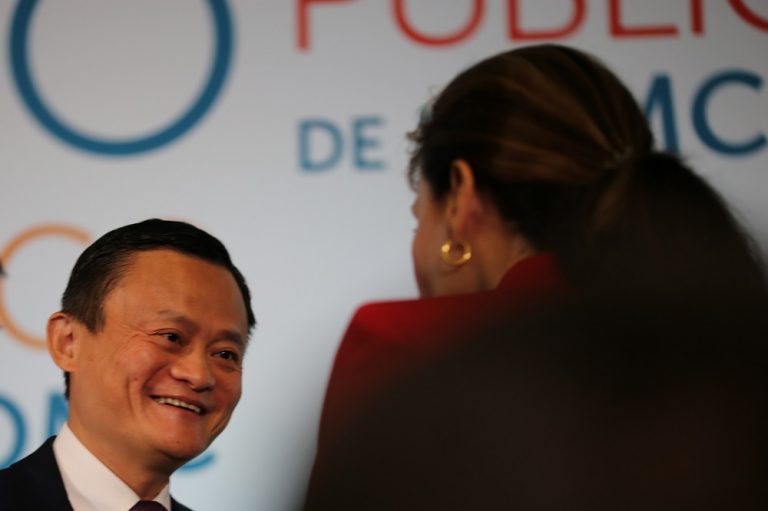
For ecommerce, just who should be making the rules was raised by a number of speakers at a session of this week’s 2018 World Trade Organization Public Forum entitled, “Ecommerce 2030: Enabling an inclusive future for e-commerce.”

WHO Head Highlights Tobacco Plain Packaging Victory At WTO; Vaping Lobbyists Hit Geneva

World Health Organization Director General Tedros Adhanom Ghebreyesus (Dr Tedros) today hailed a dispute settlement decision at the neighbouring World Trade Organization upholding laws requiring tobacco products to be packaged without logos or designs as a way to reduce interest in smoking. Meanwhile, lobbyists for popular alternative "electronic" tobacco products such as vaping are out in force in Geneva this week.

Interview With The President Of Brazil’s Industrial Property Institute

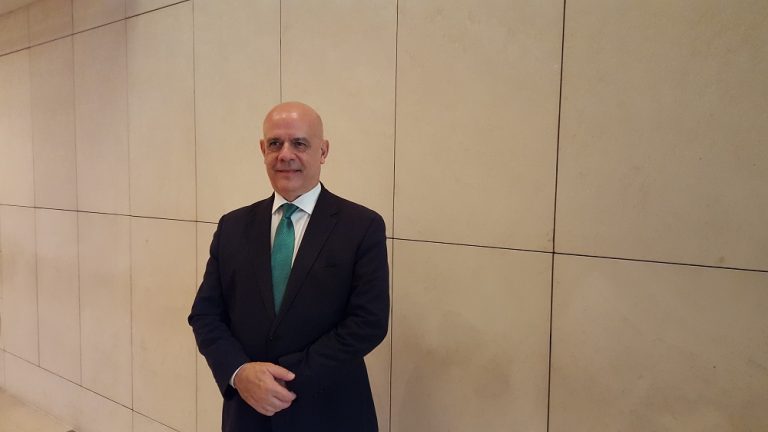
Luiz Otávio Pimentel is president of the National Institute of Industrial Property (INPI) of Brazil. In Geneva this week for the annual World Intellectual Property Organization General Assemblies he took time to sit down with Intellectual Property Watch’s William New. INPI is part of the Ministry of Industry, Foreign Trade and Services. On a breaking issue, Pimentel talked about the case in Brazil involving sofosbuvir, marketed as Sovaldi, Gilead’s effective medicine against hepatitis C that has been known for its exorbitant prices.

Why Follow-On Pharmaceutical Innovations Should Be Eligible For Patent Protection

Christopher M. Holman writes: Despite the important role of intellectual property rights in incentivizing innovation, the patenting of pharmaceutical innovation is frequently accused of impeding access to medicine. Criticism of the prevailing patent regime has focused in particular on patents directed towards follow-on pharmaceutical innovation, i.e., innovation that seeks to improve upon existing pharmaceuticals and their use in treating patients. Patents on follow-on innovation are often derided as “secondary” patents, with the implication that the underlying inventions are somehow lesser in nature than the subject matter claimed in “primary” patents, i.e., the drug active ingredient per se. While implicitly acknowledging the legitimacy of primary patents, critics of so-called secondary patents contend that patents on follow-on innovation allow drug innovators to “evergreen” their products, i.e., to extend the period of patent exclusivity beyond the expiration of any original patent on the drug active ingredient, and in doing so contribute to the high cost of drugs, thereby limiting the ability of patients to access the drugs upon which they have come to rely.

UN Declaration On Noncommunicable Diseases Upholds Intellectual Property Flexibilities

After weeks of uncertainty among civil society organisations as to whether or not the United Nations political declaration on noncommunicable diseases (NCDs) would uphold language on intellectual property flexibilities for affordable access to medicines, the document was finalised today with even stronger language affirming the use of these flexibilities.

Analysis: Move To Contain Global Challenge By Ascending China At Play In Escalating Trade War Between Washington And Beijing

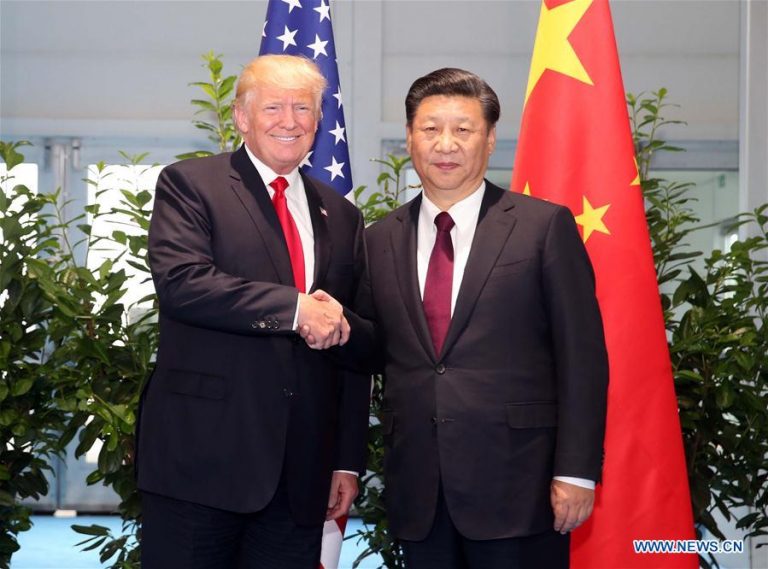
The latest escalation in US-Sino trade tensions following the announcement by President Donald Trump on 17 September that the US will slap 10 percent punitive tariffs on $200 billion worth of Chinese goods imports effective on 24 September and increase them to 25 percent on 1 January 2019, and China's counter-salvo announced on 18 September to impose tariffs of between 5 and 10 percent on $60 billion worth of US goods imports to kick in on 24 September may prove difficult to ease back from the brink.