Category WTO/TRIPS

Antimicrobial Resistance Should Not Overshadow Broader Issue Of Access To Medicines, Some Say
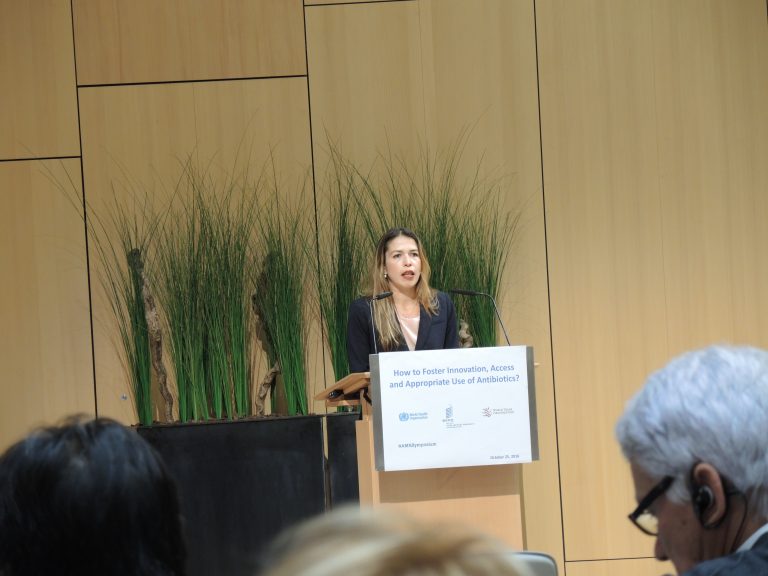
While the issue of antimicrobial resistance has arrived in high-level discussions, and there is a consensus that the problem must be tackled one way or another to avoid slipping back into a pre-antibiotic era, some voices are highlighting the need to remember that other health issues remain unmet, and access to medicines is still an acute problem.
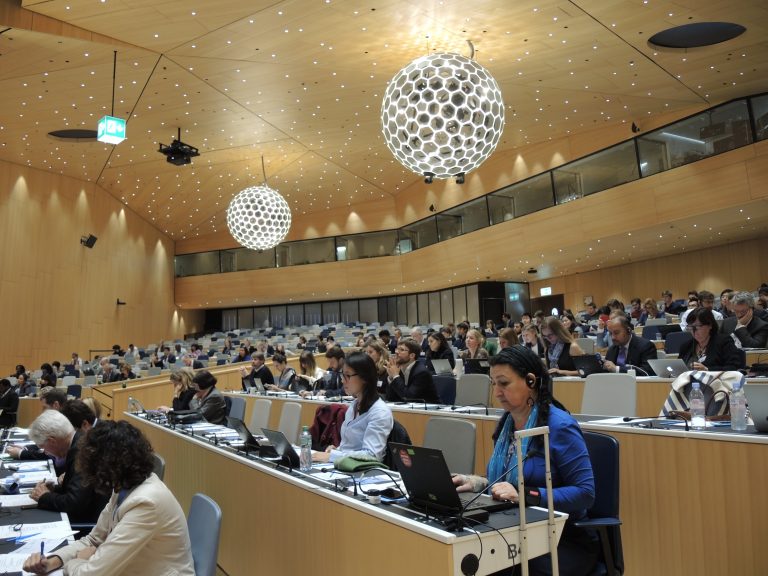
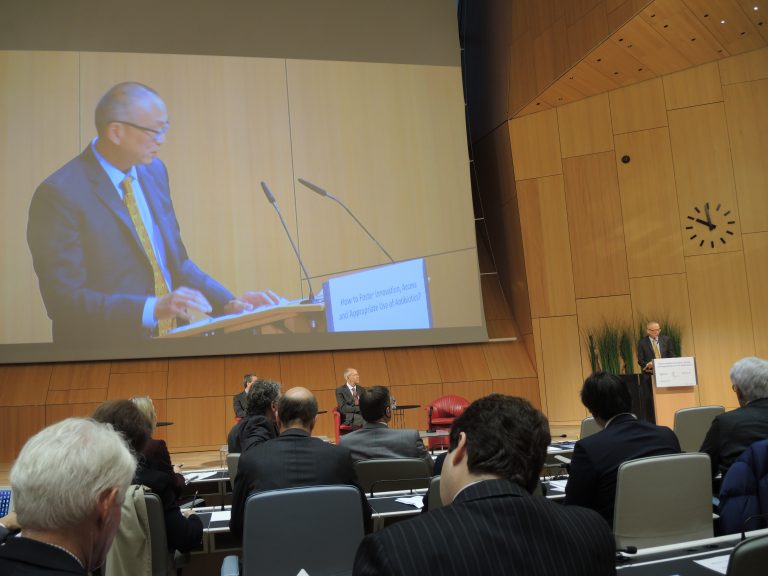
Antimicrobial Resistance Needs Research, Regulation, Speakers Say

The issue of antimicrobial resistance has been in the spotlight in recent months as a growing awareness of the threat it represents for humanity has pushed discussions at the multilateral level. This week, the World Health Organization, World Intellectual Property Organization and World Trade Organization organised a symposium on the subject. Speakers discussed needs and potential solutions.

WHO, WTO, WIPO Put Their Collective Mind To Antibiotic Resistance Calamity

Resistance to antibiotics by bacteria has been steadily growing and is now considered as a major threat to global public health, with some catastrophic projections of millions of death and billions of dollars in economic impact. The World Trade Organization, World Health Organization and World Intellectual Property Organization today are holding a joint technical symposium on antimicrobial resistance, and how to encourage innovation, appropriate use of antibiotics, and wide access to treatments and diagnostics.

USTR Froman: ‘We Have Begun A New Chapter In The History Of The Multilateral Trading System’

Outgoing United States Trade Representative Michael Froman in Geneva today gave a look back and ahead for the multilateral trading system and the World Trade Organization. His prediction was pragmatic and optimistic.

“We Are Here Today To Be Optimistic”: Stories And Advice From Women In IP

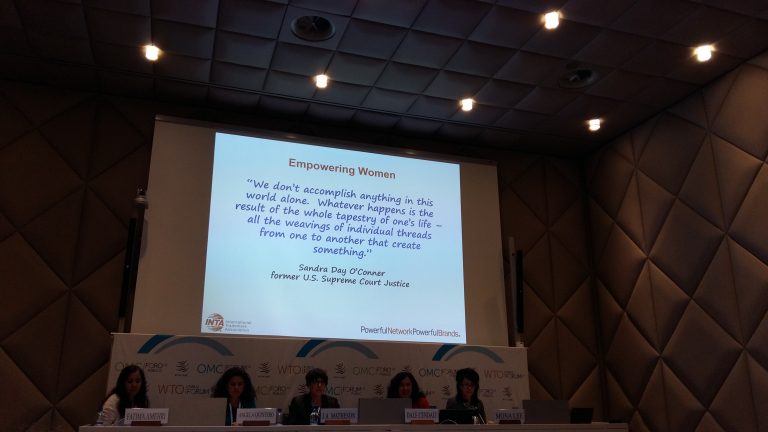
Under the banner of “inclusive trade,” last week’s World Trade Organization Public Forum hosted an array of sessions to discuss how a wider range of individuals and businesses can participate in the trading system. One prominent subject of discussion therein is how women can overcome the constraints and obstacles preventing them from accessing and obtaining the benefits of trade, and participate more fully in the field of intellectual property.

Free Trade Agreements Should Promote Generic Competition, Speakers Say At WTO

The emphasis placed on the protection and enforcement of intellectual property for medicines in trade negotiations is ignoring the distorting effects of this emphasis, such as the lack of competition incentives which are key to reduce medicines prices, speakers on a panel of generic drug industries said at the World Trade Organization Public Forum last week.

Ecommerce Seen As Opportunity For All Countries But Hurdles Remain, WTO Panels Say

Electronic commerce was a focus of the World Trade Organization Public Forum last week, a nod to its continuing rise in global importance. Several panels looked at how to integrate developing countries and small and medium-size enterprises into the global stream of online trade. Although ecommerce is an opportunity for developing countries, many hurdles remain for them, most obviously the digital divide, speakers said.

Panel At WTO Discusses Competition Policy And Why It Matters To Trade

Competition policy has evolved along with globalization and trade in past years. Now there are challenges such as the growth in international trade transactions and rapidly increasing cross-border mergers and antitrust cases. In parallel, the proliferation of competition policies and system has created potential of conflict of jurisdiction. Experts on competition and trade policies came together during the World Trade Organization Public Forum last week to discuss what the WTO can do and how better coordination between the competition policy and trade policy can be achieved to support growth and inclusiveness.

Voluntary Sustainability Standards: Virtue Enhancers Or Trade Discriminatory?

Voluntary standards are seen by some as acting as barriers to trade, in particular for developing countries unable to meet the requirements of those private standards. At the World Trade Organization Public Forum, two panels presented two approaches, one looking at governments' role in voluntary sustainability standards, and launching a report by a multi-agency United Nations initiative on those standards. The other one focused on the challenges private standards can represent for developing countries.