Category WTO/TRIPS

Signs Of Changing Trends In FTAs’ IP Chapters, Speakers Say At WTO

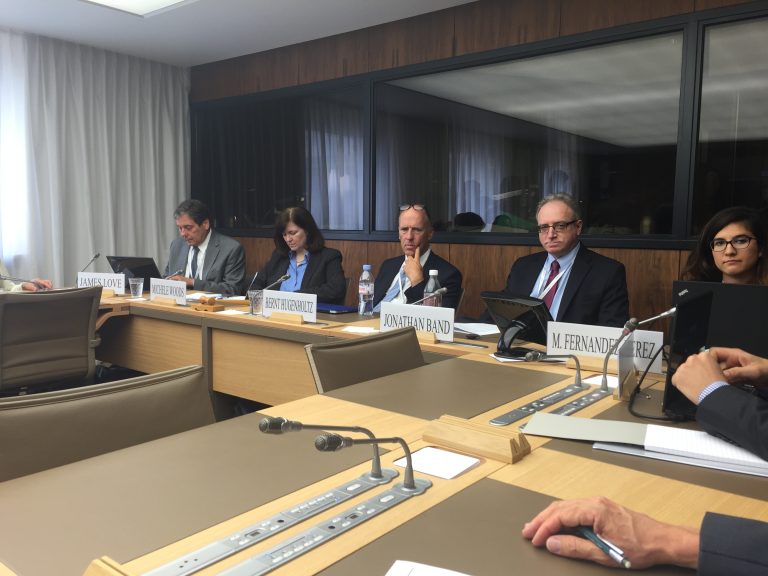
Although the Trans-Pacific Partnership negotiation has raised significant concerns from civil society during negotiations, including about the intellectual property chapter, speakers on a panel during the World Trade Organization Public Forum yesterday said the agreement actually includes a positive provision on copyright, while some other free trade agreements under discussion still include stringent proposals on IP.
Regional Trade Agreements Address Issues Missed By Multilateralism, Speakers Say

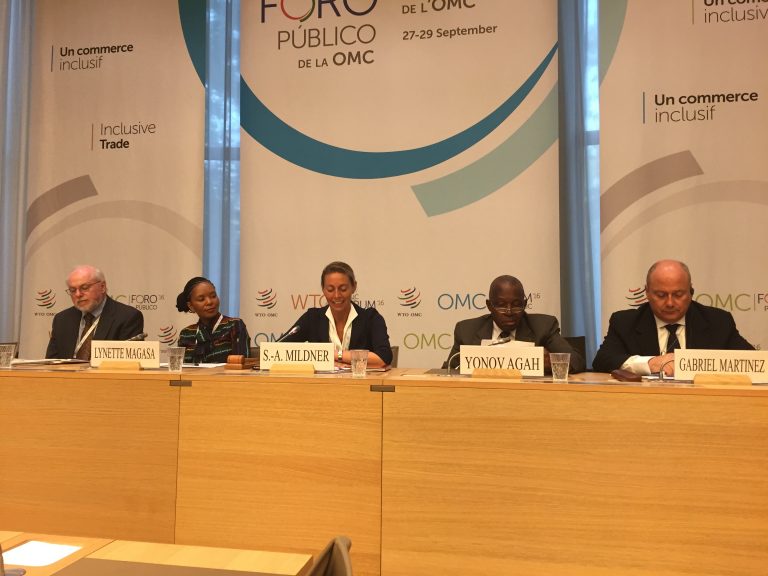
Although regional trade agreements are increasing, there is no hiding the fact that they are meeting rising resistance from the public and are difficult to negotiate. At the World Trade Organization Public Forum this week, an industry panel sought to explore how trade agreements could be linked to the WTO process, and if elements of those agreements could be taken on at the multilateral level.

Intergovernmental Organisations Swap Notes On Working For Inclusive Trade

If world trade is to be more inclusive it needs to assess a populist backlash against trade that is occurring in different parts of the world, says Jean-Baptiste Velut, an associate professor at Sorbonne Nouvelle University of Paris. Velut was introducing a panel yesterday during the 5th World Trade Organization Public Forum, an annual event that brings together stakeholders and members of the public to discuss trade issues, with the focus this year on inclusive trade.

WTO Public Forum Opens Against Gloomy Global Trade Perspectives

The 15th World Trade Organization Public Forum, an annual event that brings together stakeholders and members of the public to discuss trade issues, opened today. This year, the focus is on inclusive trade. During the opening session, participants underlined the need for support of micro enterprises, in particular in developing countries. Also today, the WTO released its trade statistics and outlook for 2016, which announced the slowest pace of trade and output growth since the 2009 financial crisis.

UN High-Level Panel On Access To Medicines Issues “Landmark” Report

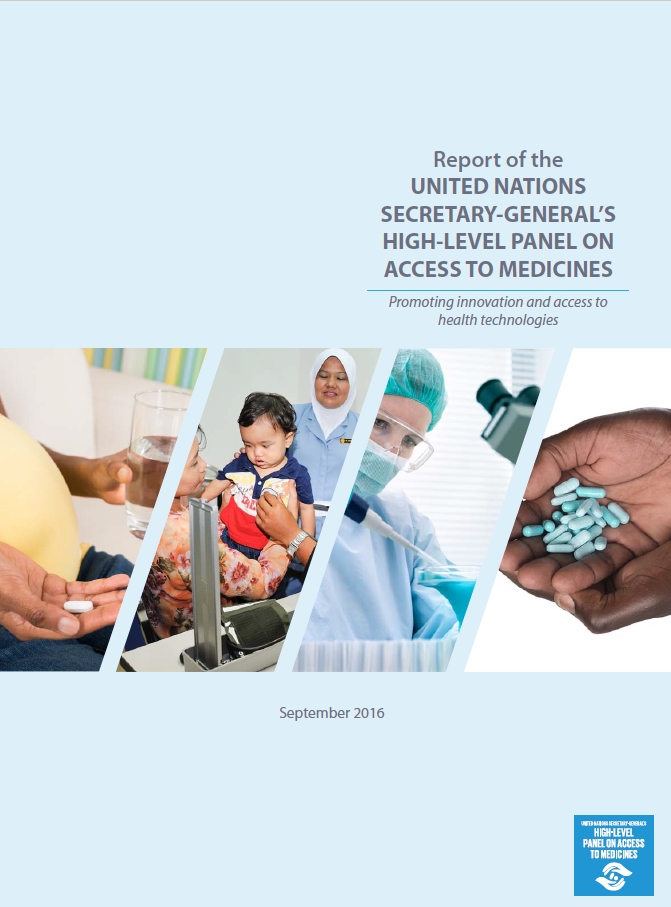
The long-awaited report by the United Nations High Level Panel on Access to Medicines was released today, making many recommendations. The panel calls for countries to embrace the policy space available in the World Trade Organization intellectual property rules, and invest more in health. It also calls for negotiation of a binding international treaty on research and development, delinking prices from R&D costs, greater transparency in drug pricing, public health impact assessments in free trade agreements, and encouragement to better use international legal tools available to countries to ensure affordable medical products. And it lays out the path ahead, calling for several new bodies to be created to take recommendations forward. [Note: story is being continuously updated during the day, now adding industry response]

Two US Congressional Leaders Criticize WTO For Stance On Trade Remedy, Food Safety Measures

From a press release issued today: "House Ways and Means Committee Ranking Member Sander Levin (D-MI) and Senate Finance Committee Ranking Member Ron Wyden (D-OR) today sent a letter to World Trade Organization (WTO) Director-General Roberto Azevêdo, criticizing the WTO Secretariat’s stance on measures it views as protectionist, and urging the office to better support the rules-based global trading system."

WTO, WHO, WIPO Host Discussions On Antimicrobial Resistance In October

Antimicrobial resistance has been described as a major threat to public health, as infections, even minor, might become killers again, if no new antibiotics are discovered. In October, the World Health Organization, World Intellectual Property Organization and World Trade Organization will join forces for a symposium organised to discuss how to foster innovation, and access.

Updated List Of Geneva Delegates Responsible For IP

There are many, many committees, councils, panels, meetings, receptions, conferences, assemblies - not to mention countless private lunches, coffees and other contacts - during the year in Geneva that address policy issues related to intellectual property, innovation, research & development and the like. Intellectual Property Watch provides an indispensable, up-to-date list of who you need to talk to when you want to get the message across or follow the action.

WTO DG Sees Positive Changes, More Engagement; Would Consider A Second Term

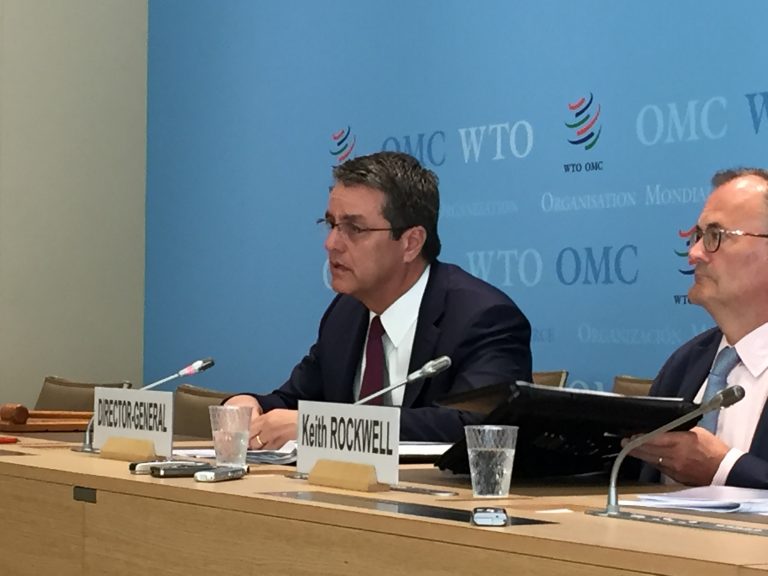
World Trade Organization Director General Roberto Azevêdo today said he would consider a second mandate at the head of the organisation. He also described a positive momentum in the organisation in the first semester of 2016, after two successful ministerial conferences, with members coming up with new ideas. About Brexit, potential scenarios are being explored but it seems a lot of renegotiations might be on the United Kingdom's plate.

Swift Decision On Plain Packaging At WTO Unlikely; Ukraine Drops Out

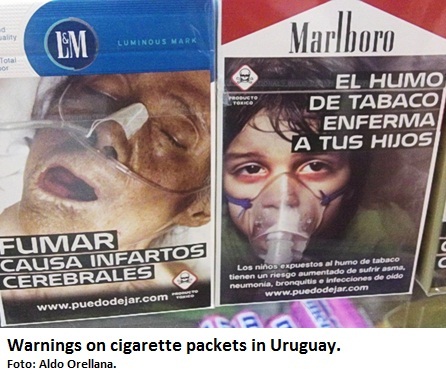
As the list of countries adopting legislation making the packaging of tobacco products a lot less sexy is growing, the long-awaited decision of a World Trade Organization panel on Australia's decision to enforce such legislation might not be coming before the end of the year. Meanwhile, one of the countries complaining about Australia's legislation has left the fight.

The Significance Of Uruguay’s Win Over Philip Morris International

The tobacco industry’s global efforts to use bilateral and multilateral agreements to challenge the spread of tobacco control measures such as trademark-minimising plain packages were dealt a significant blow last week when the World Bank dispute settlement body dismissed a case brought by Philip Morris against the government of Uruguay.

The decision is seen a landmark for those who view the company as using test cases to continually challenge and delay public health protection measures and discourage other countries, particularly those with fewer resources, from strengthening their health regulations. Additionally, the case reasserted that trademarks are subject to government regulations and also illustrated the role that international organisations and actors can play in support of national governments defending their health measures.