Category WIPO

Without Understanding What Traditional Knowledge Is, We Cannot Utilize It Appropriately

KAMPALA, Uganda -- For a long time, traditional knowledge and traditional cultural expressions were timidly recognised as intellectual efforts worthy of legal protection. Of recent, indigenous peoples, local communities, and some governments have demanded the recognition of traditional forms of creativity and innovation as protectable intellectual property.

Arduous Discussions At WIPO For New Country/Regional Offices, No Winners Yet

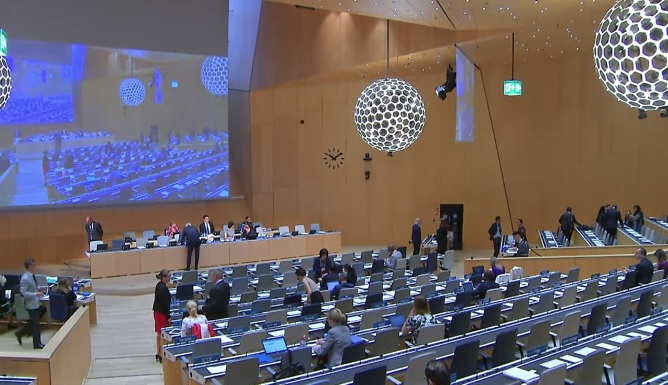
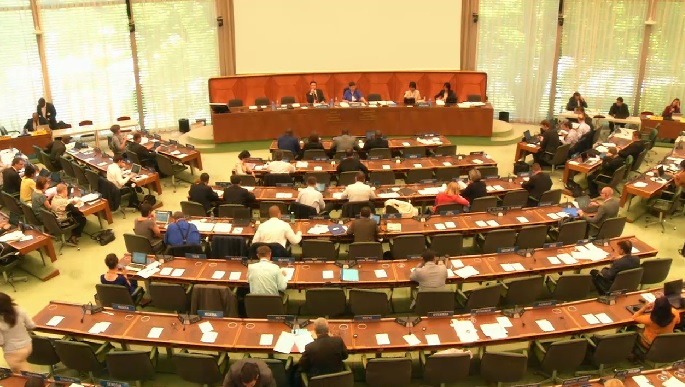
Attracting a World Intellectual Property Organization external office appears to be a critical priority for a number of countries that have put forward their candidacy for four possible new openings. During the WIPO Program and Budget Committee this week, some of those candidates delivered presentations highlighting their most striking assets, such as bridging continents, region, and economic blocs. But discussions could not lead to the chosen winners this week.

WIPO’s Gurry: Artificial Intelligence, Gene Editing Latest ‘Winners’ In Innovation

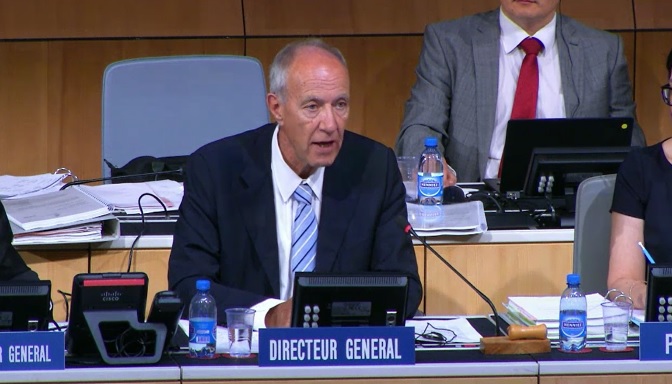
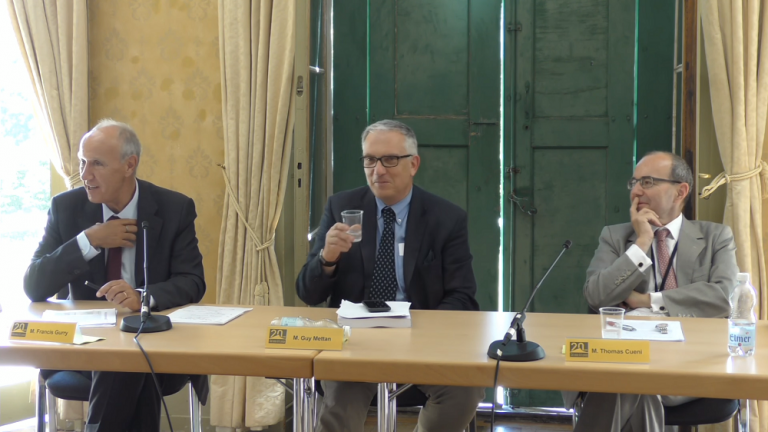
The main winners of innovation are technologies that enable market application, with gene editing and artificial intelligence as two examples, Francis Gurry, director general of the World Intellectual Property Organization, told a panel discussion last week. Thomas Cueni, director general of the International Federation of Pharmaceutical Manufacturers & Associations (IFPMA), said at the same event that everybody benefits from innovation.

WIPO Budget First Reading: SDGs, External Offices, Possible Treaty Negotiation

The World Intellectual Property Organization members this week have discussed the first draft of the budget of the organisation for the biennium 2018/2019. Questions have been asked about how WIPO is contributing to the United Nations Sustainable Development Goals, how much WIPO committees and external offices will cost, and how WIPO can help developing countries increase their IP development.

Lessons From South Africa: Protecting Non-Expressive Uses In Copyright Reform

Matthew Sag and Sean Flynn write: This week, the South African Parliament began accepting comments on its pending Bill proposing to amend the South African Copyright Act to align it with the digital age. We and other experts and civil society organizations submitted comments praising many of the Bill’s provisions and proposing that it adopt an “open” fair use right. Here we focus on one major reason to adopt an open fair use right – to authorize so-called non-expressive uses of works. We conclude with some reflections on how international law could help in this regard.

WIPO, A Well-Funded UN Agency, Presents Its Next Budget To Members

The finances of the World Intellectual Property Organization are healthy to say the least. The United Nations organisation, the only one able to feed its budget from user fees, shows a net result of over US$30 million. This week, WIPO member states are considering the budget for the 2018/2019 biennium, and as well which countries should be chosen to hold external WIPO offices.

WIPO Patent Law Committee Agrees On Future Work: Exceptions, Quality, Health, Confidentiality, Tech Transfer

General satisfaction was expressed today at the World Intellectual Property Organization as members of the patent law committee agreed on a future work programme. That is an exercise that they could not complete in December 2016. Included in the work programme is a half-day information exchange on cooperation between patent offices on search and examination, a half-day information exchange on publicly accessible databases on medicines and patent information, and a reference document on exceptions and limitations to patent rights.

EU Parliament Adopts Marrakesh Treaty; Blind Union Prepared To Fight Publisher ‘Compensation’

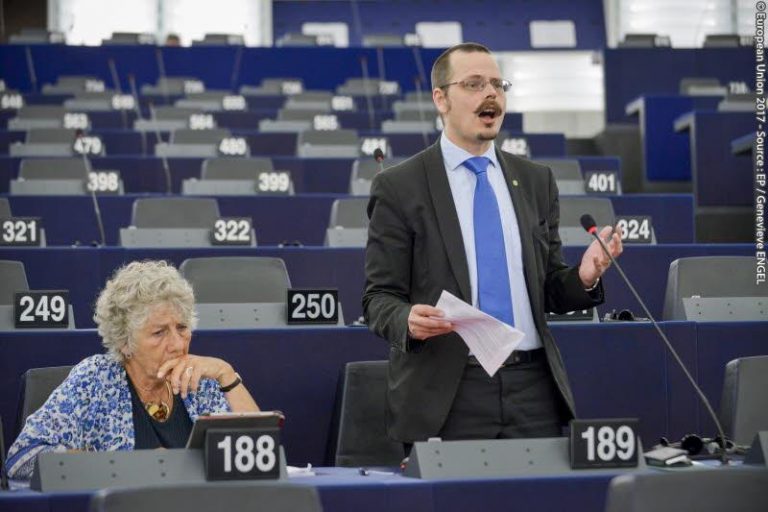
The European Parliament today with over 600 votes adopted the legal instruments to ratify the Marrakesh Treaty on access to reading material for the visually impaired. The treaty, adopted by the members of the World Intellectual Property Organization in 2013 and effective since last year, has been subject of controversies due to lobbying from publishers in the European Union, members of Parliament said today in Strasbourg before the vote. EU member states after today’s vote have one year to implement.

KEI Recommends WIPO Study On Running Royalties As Limitation On Remedies

Nonprofit group Knowledge Ecology International (KEI) has requested a study by the World Intellectual Property Organization on the case law of the non-voluntary use of patents as a limitation on remedies, Andrew Goldman, counsel for policy and legal affairs at KEI, said at a side event to a WIPO meeting this week.

WIPO Patent Law Committee Looks At Health, Quality

Discussions carried out at the World Intellectual Property Organization patent law committee this week reflect strong interest for the subjects but from different angles. Topics such as how patents may affect access to medicines are favoured by some countries, while others view patents as the main enabler of innovative new products. Some find collaborative work between patent offices primordial, while others worry that it could be harmonisation in disguise. Proposals are not lacking about activities to be conducted in the committee but countries need to agree on those which meet their common goals. [Update: the committee finished early with an agreement on future work. Story to come shortly.]