Category WHO

WHO Board Meeting Playbook: Election Of New DG, Antimicrobial Resistance, Genetic Sequence Data
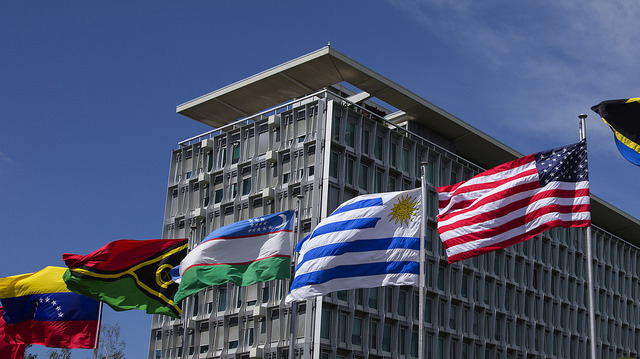
Although the main governing body of the World Health Organization is the annual World Health Assembly held in May, many decisions are made at the annual January session of the WHO Executive Board. Among the topics to be discussed next week are the election of a new director general, antimicrobial resistance, the financing of research and development for health products.
Nagoya Protocol Implications For Health, Flu Genetic Data On WHO Board Agenda

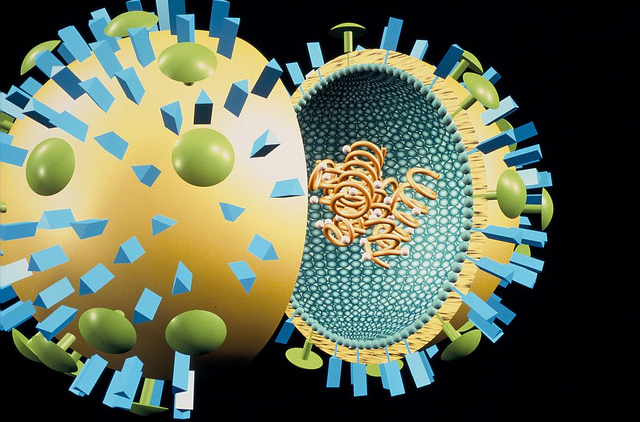
The World Health Organization recently published its analysis about the public health implications of the Nagoya Protocol on genetic resources access and benefit-sharing, and in particular how it affects the sharing of pathogens, like influenza viruses. The findings are set to be discussed at this month’s WHO Executive Board meeting. Also to be discussed is an experts group review of the WHO pandemic influenza framework, and in particular its conclusion that the framework should be amended to match scientific progress.

New Book Highlights IP Trade Law Flexibilities For Public Health

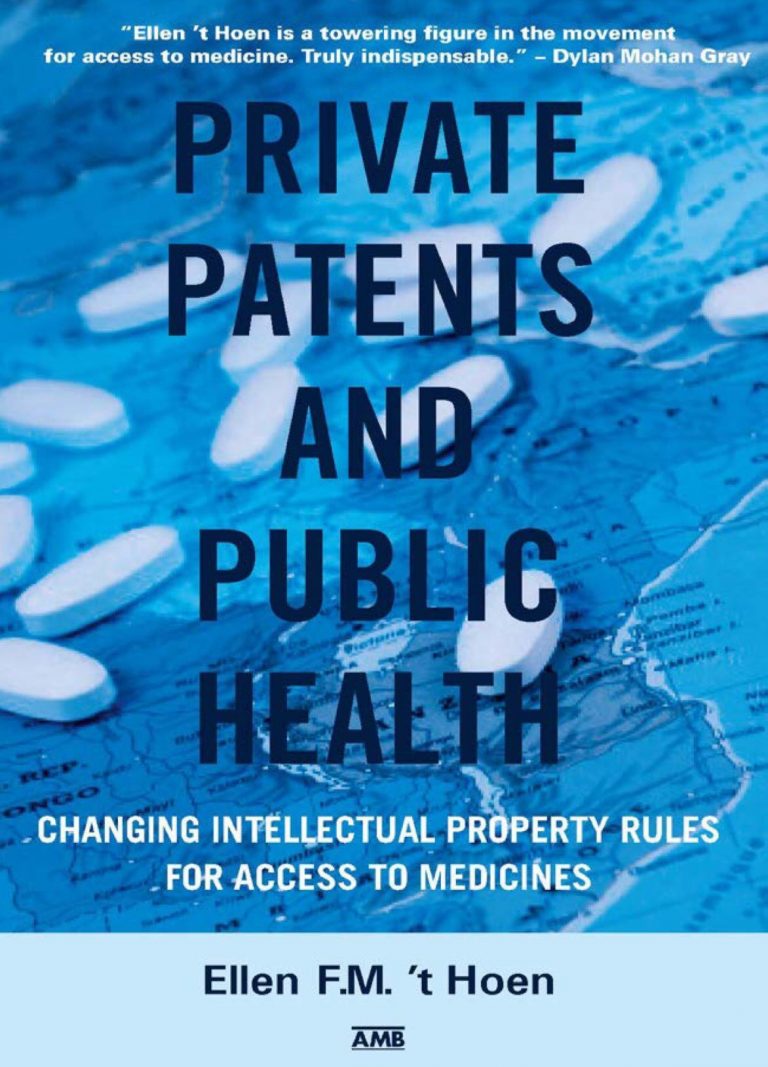
A recently published book by a high-impact public health advocate provides new analysis on the use of flexibilities in international trade law relating to intellectual property rights aimed at advancing discussions on solutions to high drug prices worldwide.

Top IP-Watch Stories Of 2016 Reflect Cutting Edge Issues, Lingering Concerns

Hundreds of thousands of people visited articles on Intellectual Property Watch last year, and we published nearly 1,000 original articles. The year’s most-visited articles reflected a mix of new ideas and policies worldwide and some recurring issues, with especially heavy attention on stories involving India.

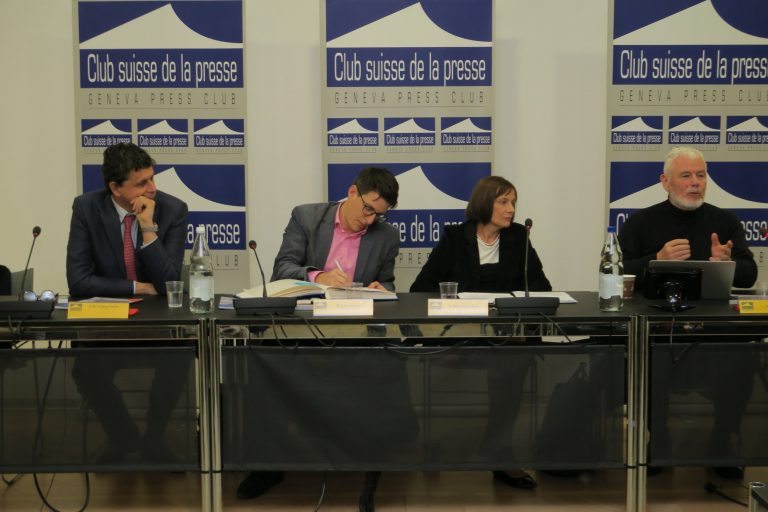
Roundtable: ‘Appropriate Level’ Of Protection Is Key For Impact Of Patents In Health, Innovation

One of the key questions around the impact of patents on health and innovation is what is the appropriate level of protection for companies innovating, says Dr. Marie-Paul Kieny, assistant director-general, Health Systems and Innovation, at the World Health Organization.

IP World Enters New Year With Major Shift Of People In Pharma, Copyright

As a new year dawns, a lot of movement has been observed in the pharmaceutical industry with new key players taking the lead. Meanwhile, new delegates are covering IP issues in Geneva, and coordination of regional groups at the World Intellectual Property Organization makes its usual yearly shift for 2017. The copyright industry also saw major changes, and law offices have been busy hiring new partners.

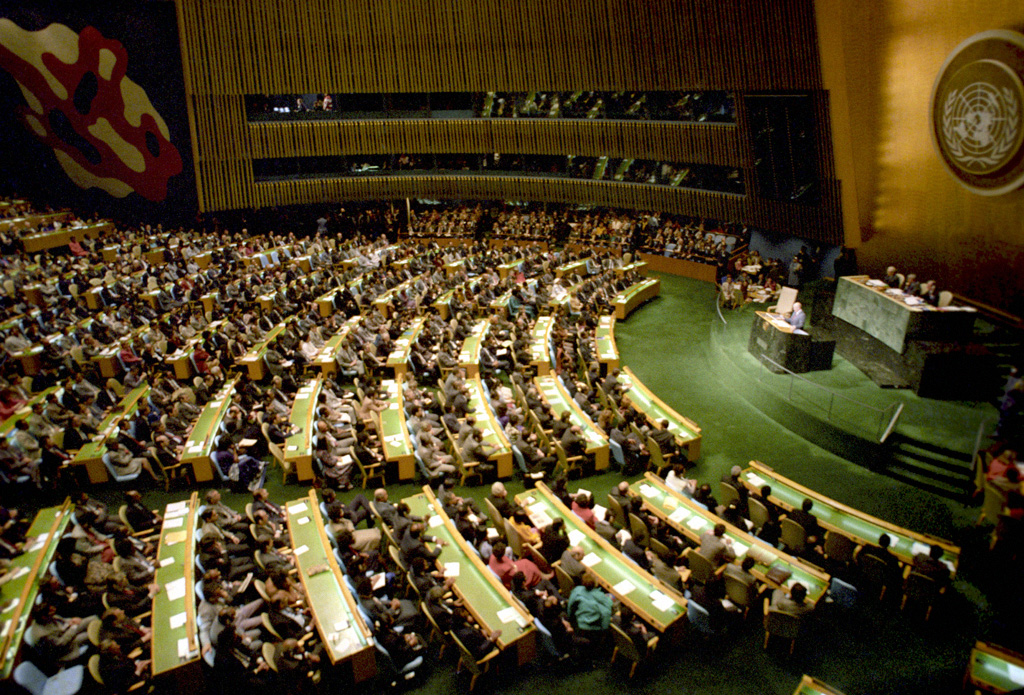
UN General Assembly Resolution: TRIPS Flexibilities, High-Level Panel On Medicines Access

The United Nations General Assembly this month is considering a resolution committing to elevate health issues to the highest levels of foreign policy. The resolution includes references and commitments related to dozens of existing instruments and tools aimed at improving health, including a full range of those on access to medicines, such as patent flexibilities under trade rules, and the recent report of the UN Secretary-General’s High-Level Panel on access to medicines and innovation.

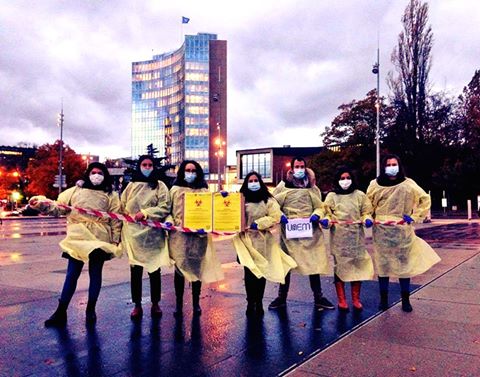
UAEM Targets Accessible Medicines, R&D Financing, Publicly Funded Research

From extracurricular creativity to global campaigns, Universities Allied for Essential Medicines (UAEM) continues in its activities to raise awareness and explore how universities can best direct their research and innovations towards promoting global access to medicines. In the next year, UAEM will extend its national and international campaigns to address the high prices of medicines, continue to gather support for a global agreement on research and development and build on the mapping alternative R&D initiatives.

A Look At The UNAIDS Board Debate On IP And Medicines; Outcome Fell Short For Some

The discussion on intellectual property-related barriers to access to medicines was one of the most contentious points of the 39th meeting of the UNAIDS governing board last week. After hours of negotiations, the board agreed that the organisation will keep working on the issue. But developing countries and civil society would have preferred a stronger mandate, according to representatives.