Category WHO

New Alliance To Hold UN And Others Accountable For Antimicrobial Resistance Commitments

A new international alliance to support the United Nations Resolution on Antimicrobial Resistance was launched this week. The Conscience of Antimicrobial Resistance Accountability (CARA) aims to bring together organisations committing to reporting on mutually agreed upon indicators in countries around the world, and to hold the UN and other stakeholders accountable to their commitments.

Access To Medicine Index Finds Progress In Pharma’s Efforts

The Access to Medicine Index 2016 was published today, analysing the top 20 research-based pharmaceutical companies. The index looks at how those companies make medicines, vaccines and diagnostics more accessible in low- and middle-income countries. The index found progress in companies' efforts to improve access but little support for flexibilities enshrined in international trade rules.

WTO Members Discuss UN High-Level Report On Medicines Access That WHO Declined To Discuss

The World Trade Organization intellectual property committee this week discussed the report of United Nations Secretary General’s High-Level Panel on access to medicines which offered recommendations regarding the use of intellectual property in international trade. Developing countries taking the floor accentuated the use of flexibilities under trade rules, and the World Health Organization gave an overview of how its activities follow the panel's recommendations, and its future projects. Civil society meanwhile criticised the WHO’s decision to dismiss a request by some developing countries to include discussions on the UN report at the next Executive Board Meeting.

Six Candidates For WHO Director General Lay Out Their Views

Funding, universal health, multisectoral work and access to medicines were among the issues addressed at the recent candidates' forum of the World Health Organization in Geneva as part of the process to choose the next director general of the UN health agency. Candidates spoke on how to fund the organisation in its quest for universal health care and response to emergencies.

Lancet Report On Essential Medicines Takes Aim At Access, Affordability

A much-anticipated report on progress in global access to essential medicines released today has found that change is needed to the system of paying for research and development, including moving beyond sole reliance on patents to cover R&D costs. It calls for a global R&D policy framework, a possible patent pool for essential medicines, addresses financing issues, and claims to have developed a new cost model. Meanwhile, comments ranged from two ministers from the Netherlands said the system is broken while a leading industry executive criticised it for questioning the patent system.

Proposal By WHO To Increase Country Contributions Receives Mixed Reactions

As the head of the World Health Organization warned of funding shortfalls at this week’s financing dialogue, she also proposed to raise assessed country contributions by 10 percent to help mitigate the situation. However, countries had a different take on the suggestion, which is expected to be further considered in the discussions on the budget for 2018/2019, at the Executive Board meeting in January, and at the annual World Health Assembly next May.

Chan Issues Clarion Call For Increased WHO Funding

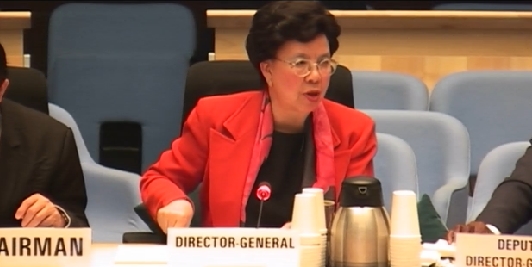
World Health Organization Director General Margaret Chan today warned of serious funding shortfalls for the current biennium endangering the implementation of certain programmes. Areas most in need of financing include non-communicable diseases (such as cancer, diabetes and cardiovascular diseases), food security, and antimicrobial resistance. The high-profile Health Emergencies Programme is also underfunded and Chan proposed to ask countries to raise their assessed contributions at the next World Health Assembly.

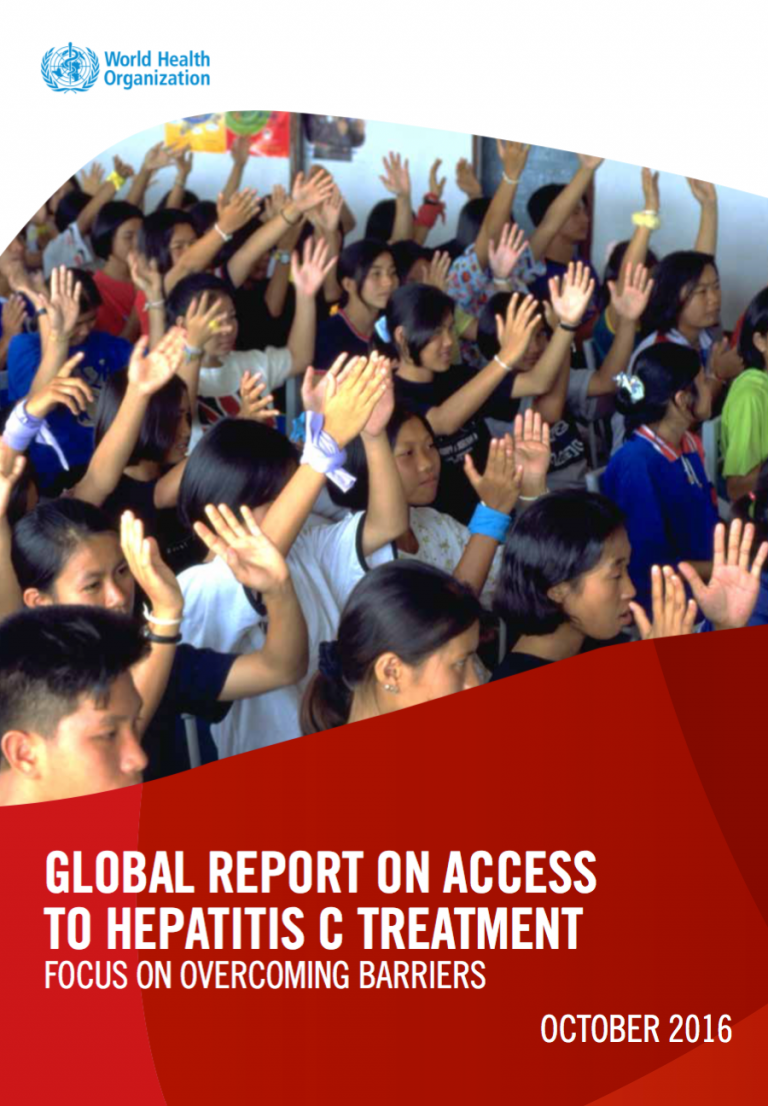
WHO: More Hepatitis C Patients Being Treated In Developing Countries; Price Still An Issue

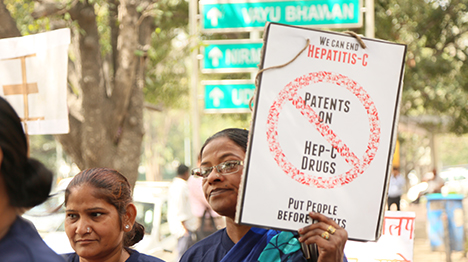
Innovations in medicine bring the hope of cure for millions of patients who can access them. When a novel effective hepatitis C drug was put on the market at very high prices, concerns erupted about access in both developing and developed countries. A new report by the World Health Organization found that over one million people have received new treatment for hepatitis C in developing countries. The report, which targets high prices as a major barrier to access to treatment, also compiles ways countries have overcome the access barriers.