Category Regional Policy

China’s Xi Jinping Signals Higher Focus On IP, Market Opening To Ease US-Sino Tensions, But Global Leadership Friction In Innovation To Persist

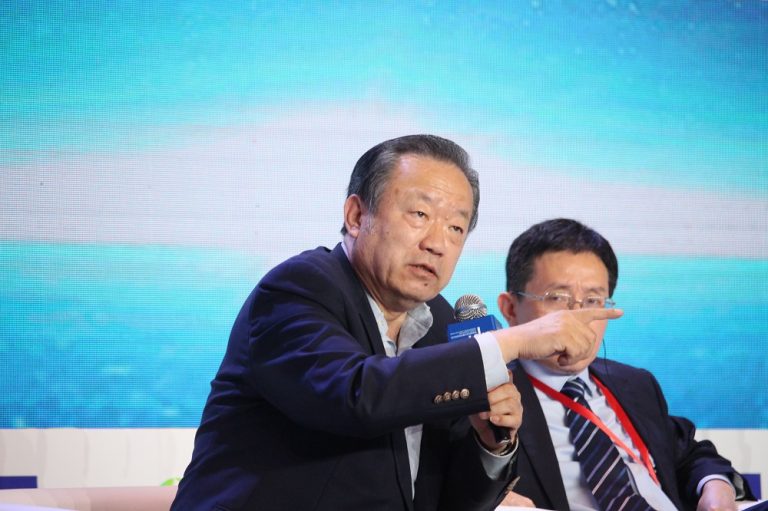
SHANGHAI, China -- The President of China, Xi Jinping, in a keynote address on 5 November to political and business leaders attending the opening of the first China International Import Expo (CIIE) in Shanghai sent a strong diplomatic signal that Beijing will push ahead with further opening up of the economy to more international competition. In a move to try and ease US-Sino tensions Xi also indicated China will take proactive steps to boost protection of intellectual property rights (IPRs), including harsher penalties against violators - a major grievance for the United States and the pivotal issue in the escalating trade war between the world's two largest economies.
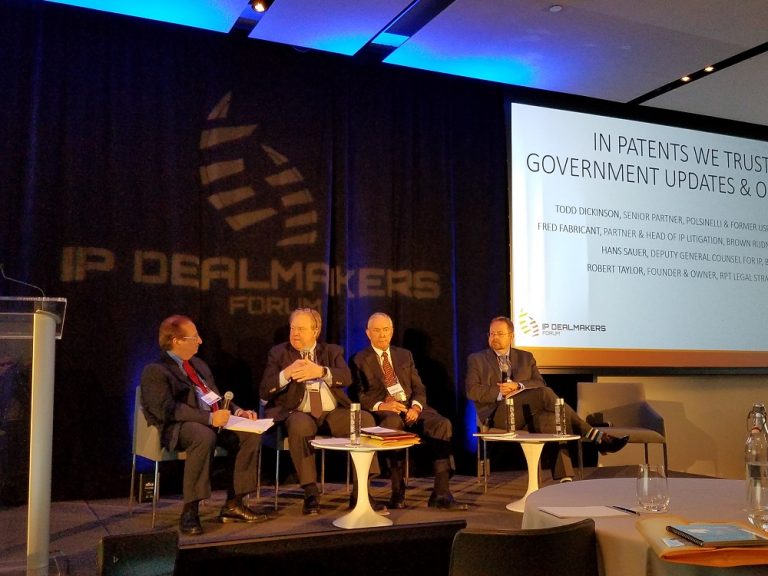
Experts Assess Coming Changes In US Courts And Patentability

NEW YORK -- A panel of legal and government experts this week discussed trends in courts in the United States on patent cases and changes underway at the US Patent and Trademark Office. One conclusion? There may be a real shift in what is seen as patentable in the US, but it may take an act of Congress. [Note: part 1 of 2. The second part will address this week's changes in the US Congress.]

New EU Directive Limits Hate Speech, Establishes European Content Quotas

A new directive adopted today by European Union member governments updates and strengthens regulations on video-sharing platforms and other newer forms of media, emphasising the public interest, elevating protections for children, and establishing a 30 percent quota of European content in on-demand audiovisual media services.

USPTO Solicitor/Deputy General Counsel Leaves For DC Law Firm

Nathan Kelley has stepped down from his role as solicitor and deputy general counsel at the United States Patent and Trademark Office (USPTO) to join the Perkins Coie law firm in Washington, DC. Kelley also had served as chief administrative patent judge in charge of the Patent Trial and Appeal Board (PTAB).

UAEM: In ‘Historic” Shift, Universities In Canada Adopt Licensing Promoting Access To Medicines

Universities Allied for Essential Medicines (UAEM) announced today that University of Calgary and McGill University are joining University of British Columbia in adopting Global Access Licensing Principles. These principles promote public access to publicly-funded medicines and life-saving health technologies developed in universities, according to a UAEM press release [pdf].

Group Proposes Regulating Internet Hate Speech Through Decentralisation

French advocacy group La Quadrature du Net has declared recent French government plans to regulate internet hate speech insufficient, and is calling for more in-depth reforms. These could include the promotion of alternative social media platforms and a decentralised approach to regulation, according to an organisation press release.

Lurking In USMCA – IP Provisions With An International Agenda

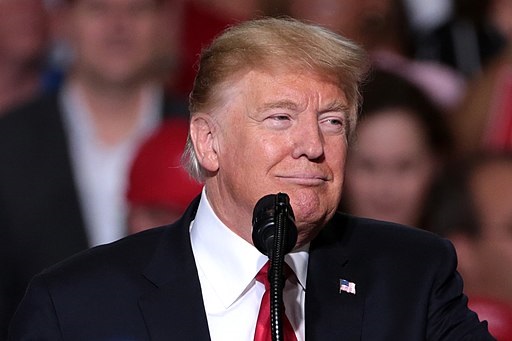
Donald Trump is no fan of international norms or rules. He’s made this clear on numerous occasions, including during his two speeches at the United Nations. It is surprising, therefore, that one of the few international deals he has made as president – the recently announced treaty replacing NAFTA – contains IP provisions whose main purposes seem to be extending US rules overseas and establishing IP norms for future international agreements.