Category Regional Policy

Study Finds Arthritis Drug Enbrel Overpatented, Overpriced in US

Initiative for Medicines, Access & Knowledge (I-MAK) released a new study yesterday showing that the rheumatoid arthritis drug Enbrel has been overpatented by drugmaker Amgen, which has filed a total of 57 patents on the drug in the United States. Together, these patents were said to delay market competition by 39 years, rather than the standard 20 years for one patent. The study found that this market exclusivity for Enbrel resulted in US$ 8 billion dollars in sales in 2017 alone.

Fight Over .Amazon: ACTO Countries Cancel Meeting With ICANN CEO

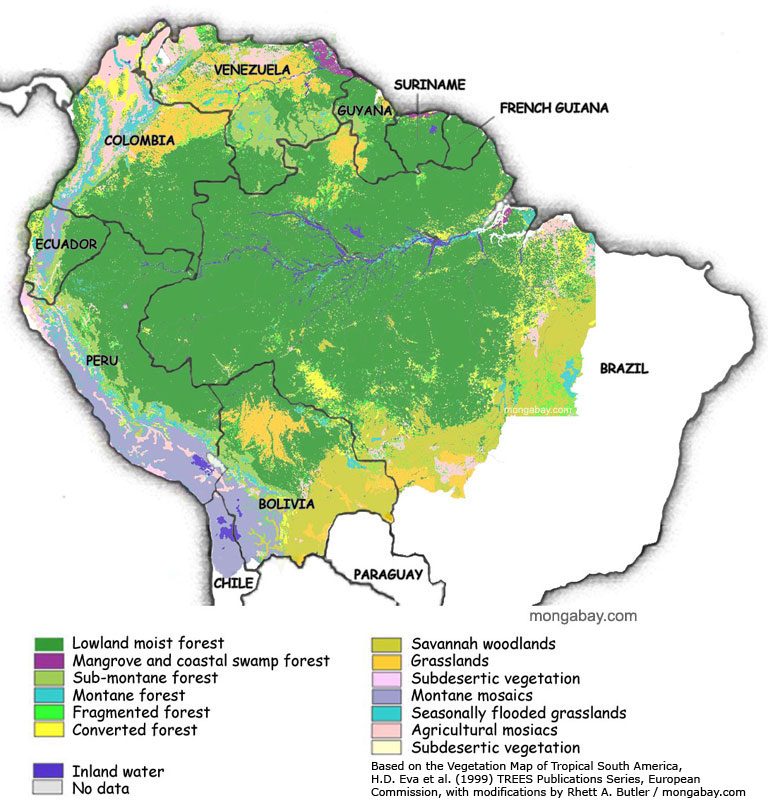
The fight over delegating the .amazon top-level domain to Amazon LLC is not over. But the effort of the Internet Corporation for Assigned Names and Numbers (ICANN) to cut a deal between the regional Amazon Cooperation Treaty Organisation (ACTO) and online retailer Amazon has failed, according to ICANN CEO Göran Marby. [updated]

Do Patent Trolls Exist? Two Studies Reach Different Conclusions (Part 1)

They are called many things. Patent Assertion Entities (PAEs), Non-Practicing Entities (NPEs), Patent Trolls, and on occasion, names not suitable in polite company. They often are accused of harming innovation and the economy, while providing nothing useful in return. They, less often, are said to promote innovation, in part by helping small inventors monetize their discoveries. Two recent academic studies attempt to shed light on this dispute, but their findings seem contradictory – at least at first.

Open Music Initiative: Seeking To Drive The Beat On Global Standards, Rights Attribution

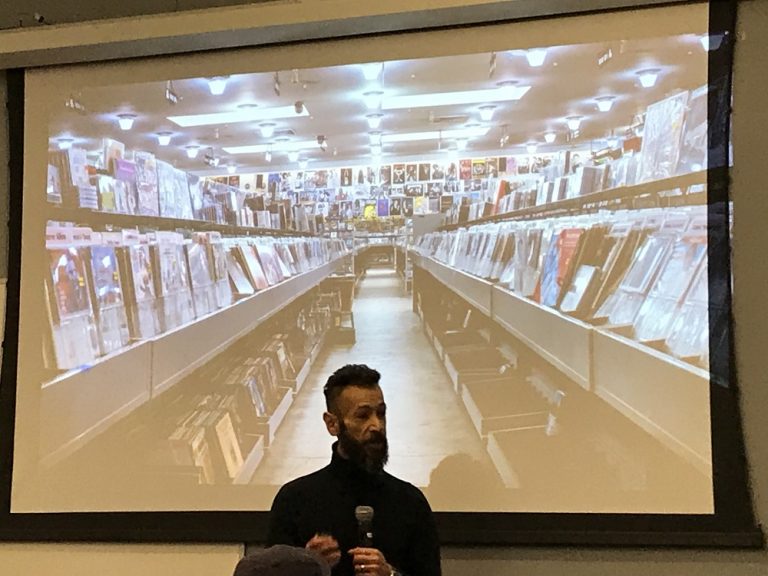
NEW YORK – The Open Music Initiative provides a forum for collaboration across academic, tech and music industry stakeholders around the world, and is working to develop the global standards for music rights attribution that could stand for the next 100 years. Establishing such standards will enable fair compensation to rights holders and creators, and establish a basis for ongoing innovation in the music industry, leading to new digital platforms and services, and new music, according to Open Music members.

Gene Editing: Fears Lead To Call For Moratorium At CBD, Discussions Ongoing

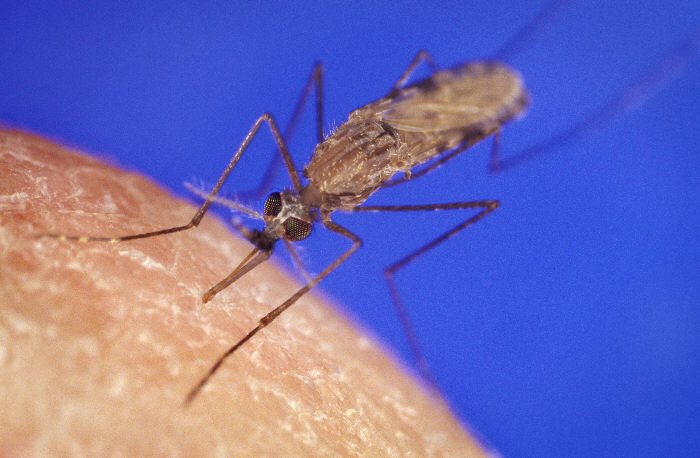
Gene editing techniques have opened the way to a new world of innovations. One of them is the potential eradication of malaria-carrying mosquitoes. What appears as a very attractive way to help with malaria eradication is denounced by civil society groups arguing that the technology is in its infancy. Wiping out entire species could have unforeseen environmental, health, and social consequences, they say. They are calling for a moratorium preventing the release of gene drive organisms in the wild. They also describe the gene drive mosquitoes as a Trojan horse, hiding broader interests of agricultural multinational corporations.

African Civil Society Outcry Over ARIPO’s Closed Decision-Making On Health And IP

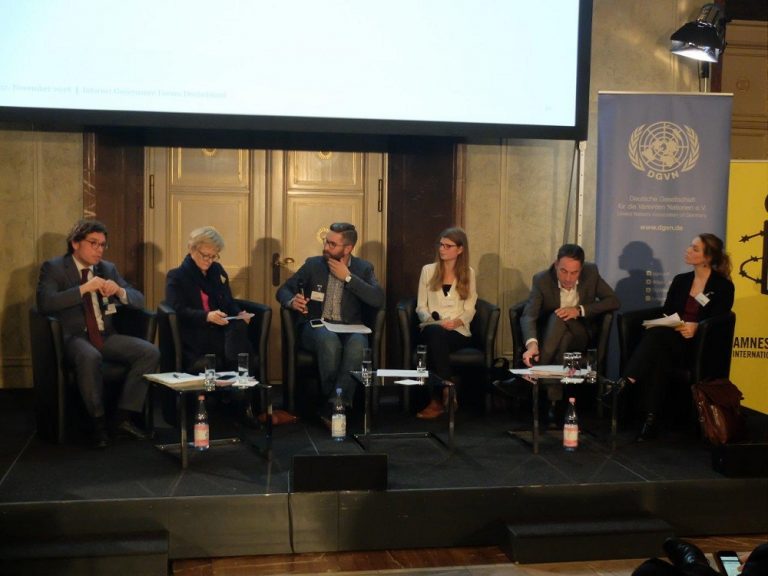
As the African Regional Intellectual Property Organization (ARIPO) Administrative Council meets this week, more than 60 civil society groups are calling for greater inclusion and more transparency on access to medicines and diagnostics. Signatories are asking for a review of the Harare Protocol on patents and industrial designs, and raised concern about over-reliance on advice of the United Nations intellectual property agency for decisions affecting broader public health in the region.

The Bumpy Road To Selection Patents In India

Namrata Chadha, of K&S Partners, a Tier 1 Indian law firm, discusses various crucial aspects relating to patenting of selection inventions in India, especially in pharmaceuticals and chemicals. Summary: The patenting of selection inventions is not plain sailing in India. The patentability of such inventions must be determined in accordance with the general provisions of the Indian Patents Act, as there is no separate provision for the same in the Act. Of the said general provisions, the assessment of inventive step and testing under section 3(d) of the Indian Patents Act can be perceived as the most critical to patentability of selected novel species. Additionally, the concepts of ‘implicit disclosure’ and the contrasting views on ‘coverage vs disclosure’ frequently makes it challenging for applicants to defend their novel selection under the Indian scenario. Given the lack of enough precedents in India on this aspect, to date the fate of selection patents depends mostly on the judgement of the patent controllers. Not all hope is lost, however, since not only the Indian Patent Office, but also the IPAB and higher Courts have time-and-again acknowledged the existence of selection patents in India.


A Look At The Proposed EU IP Exception To Promote Generic, Biosimilar Industry Competitiveness

The European Commission has proposed an exception to the extended period of patent protection that the European Union provides to original drug manufacturers for certain products, in order to boost the competitiveness of EU generic and biosimilar industries in global markets. The exception will allow EU generic and biosimilar companies to manufacture protected drugs for export during this patent extension period. Stakeholders are so far unhappy with the exception. Meanwhile, studies analyse its potential economic impacts and legal implications, and the Commission remains confident that safeguards it is putting in place will keep the lower-priced medicines from making their way back into the EU.