Category North America

Trump Declares Intent To Stop Pharma Companies From ‘Gaming’ Patent System
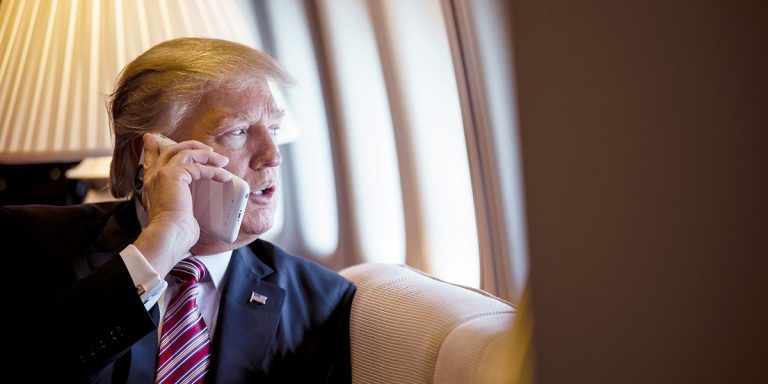
US President Trump today declared in a White House speech his intent to "take steps" to lower drug prices by stopping "gaming of regulatory and patent processes by drug makers to unfairly protect monopolies," as well as increasing price transparency and promoting biosimilars and generics. But to do this, his administration will take on what it sees as "freeloading" on US innovation by foreign governments, and addressing "unfair" intellectual property and market access policies in trade agreements.
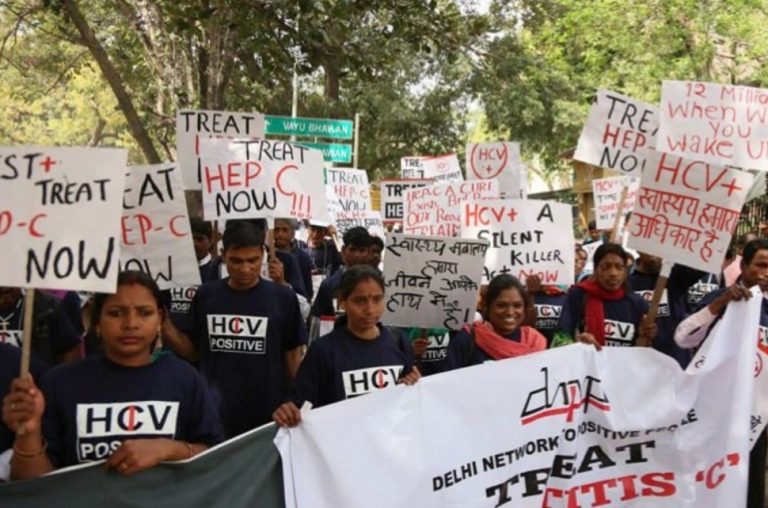
Collective Efforts By Civil Society Groups Bar The Way To Hepatitis C Patents

Many hold the view that Gilead’s revolutionary treatment against hepatitis C (sofosbuvir) marked the beginning of a shift in position toward the high prices of medicines, as high-income countries were also faced with an untenable burden to their health systems. In a number of lower and middle-income countries, civil society organised itself to increase access to sofosbuvir for millions in need.

US To Weaken Post-Grant Patent Reviews

Government agencies do not ordinarily relinquish power easily, or without a struggle. But these are not ordinary times in the USA. Trump appointees have pushed a variety of federal agencies – including Interior, EPA, and HUD – to surrender much of their powers. Yesterday, the USPTO joined that list, when it announced proposed new regulations that would weaken the agency’s review of existing patents.

EU-US Comparison & Guide On Copyright Link Liability – An Update

Ed Klaris and Alexia Bedat write: An update to our article reviewing US and European law/recent developments in link liability in both the copyright and defamation contexts and providing a checklist of questions an attorney (or editor) ought to ask before deciding, prepublication, whether a proposed link may lead to liability in the US and/or the EU. Updates include the recent Goldman v. Breitbart decision in which a Federal Judge concluded that embedding a Tweet can be copyright infringement.

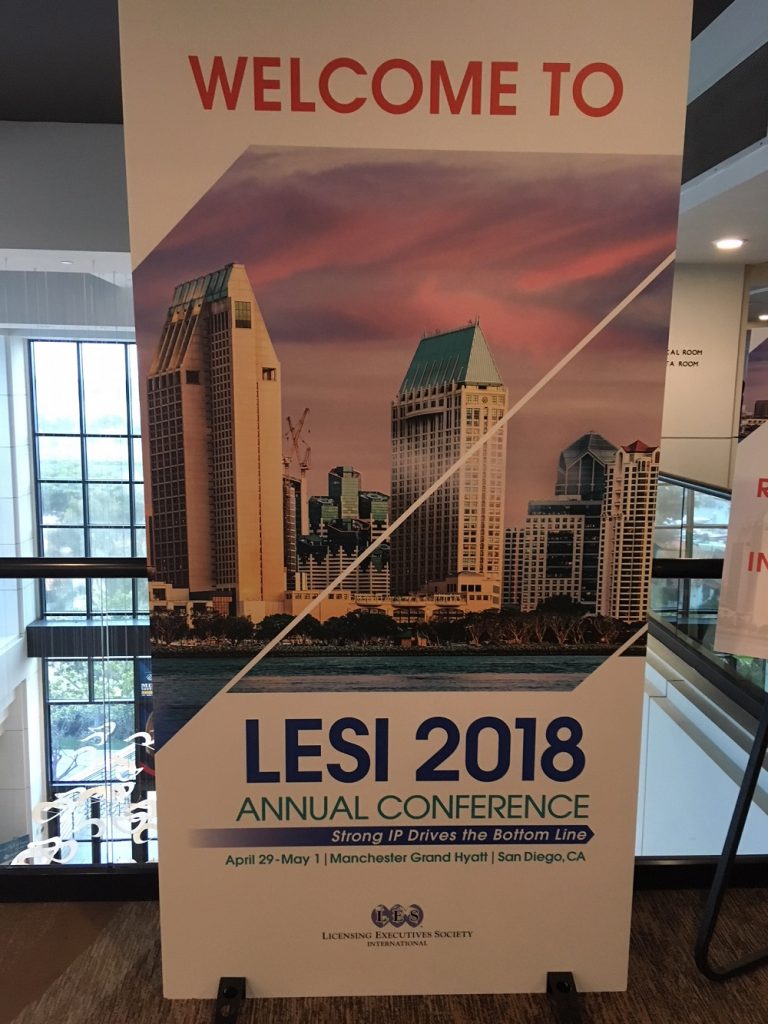
What You Can Learn From The Licensing Execs At The LESI Annual Conference 2018

“Strong IP Drives the Bottom Line”: Licensing executives, technology transfer officers and attorneys from all over the world met under this theme at the annual conference of the Licensing Executives Society International (LESI) in San Diego from April 30 to May 1, 2018.

Each year, the LESI annual conference brings together the strategists, pioneers and deal makers of the world to exchange about the hot topics in licensing, technology transfer and the business of IP. Bastian July of GoodIP reports on what you can learn from the keynote speeches and workshops he attended.

US State-By-State Analysis Shows Benefits Of Funding Global Health Research

In the current atmosphere in the United States of funding cuts for global health threats like malaria and HIV/AIDS by the Trump Administration, a new state-by-state analysis claims to show its profound implications for research and jobs across the country.

New Guidelines For Tech Companies To Be Transparent, Accountable On Censoring User Content

Facebook, Google and other social media companies today were urged by groups such as the Electronic Frontier Foundation to "publicly report how many user posts they take down, provide users with detailed explanations about takedowns, and implement appeals policies to boost accountability." The groups released a set of guidelines to address censorship.

USTR IP Report Sparks Outcry Among Health Advocates

The annual Special 301 report of the Office of the United States Trade Representative (USTR) issued today sparked a quick outcry among health advocates over its seemingly more restrictive approach they say bullies other countries into unfairly promoting US pharmaceutical industry rights to an extent that would raise drug prices and limit accessibility.

USTR Annual Special 301 Report Intensifies Action On China, Colombia, Canada

The annual report of the Office of the United States Trade Representative (USTR) on the adequacy of trading partners’ protection of US intellectual property rights celebrated its 30th year this year with a sharper tone with China, in keeping with the Trump administration’s tough stance on the country. Also caught in the report are Colombia and Canada, which were downgraded to the “priority watch list.” Also, this year the report includes a special highlight on pharmaceuticals and medical devices.

USPTO Lists Changes To Post-Grant Proceedings After This Week’s SAS Decision

The United States Patent and Trademark Office has issued guidance on changes to post-grant proceedings following the 24 April decision by the US Supreme Court in the SAS Institute v Iancu case. The Court ruled that the USPTO must decide the patentability of each claim that is challenged in petitions for inter partes review.