Category Latin America/Caribbean

Summer Changes Make A Splash In The IP Community

Over the summer months, people in the intellectual property world continue to circulate. UNITAID has changed heads, and other well-known figures in Geneva set off to new horizons. And no rest it seems for law offices, which maintained their usual level of moves between firms. Here is the latest on People in the IP community.
Infojustice: NGO And Academics Letter To US Secretary Of State On Access To Medicines

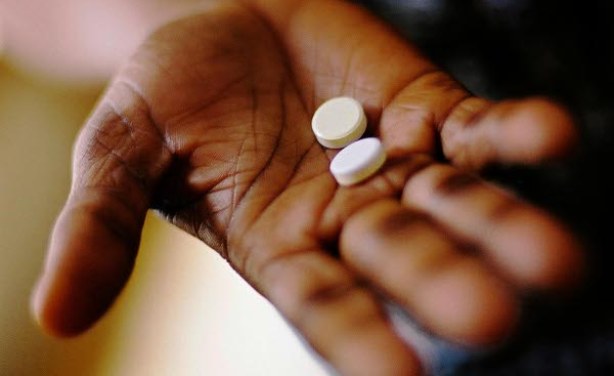
From Infojustice.org: Letter from 56 Non-profit Organizations and Academic Experts to Secretary Kerry Regarding State Department Pressure Against Access to Medicines Efforts

The Significance Of Uruguay’s Win Over Philip Morris International

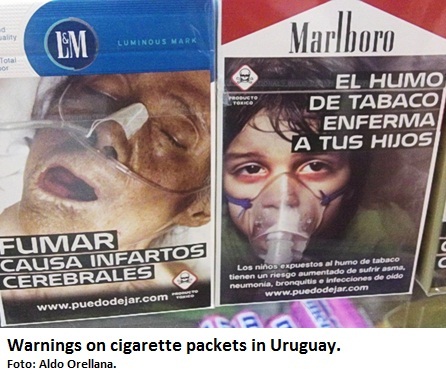
The tobacco industry’s global efforts to use bilateral and multilateral agreements to challenge the spread of tobacco control measures such as trademark-minimising plain packages were dealt a significant blow last week when the World Bank dispute settlement body dismissed a case brought by Philip Morris against the government of Uruguay.

The decision is seen a landmark for those who view the company as using test cases to continually challenge and delay public health protection measures and discourage other countries, particularly those with fewer resources, from strengthening their health regulations. Additionally, the case reasserted that trademarks are subject to government regulations and also illustrated the role that international organisations and actors can play in support of national governments defending their health measures.

Embassy In London Under Siege, IP A ‘Neo-Liberal Pillar’, Ecuador Minister Says

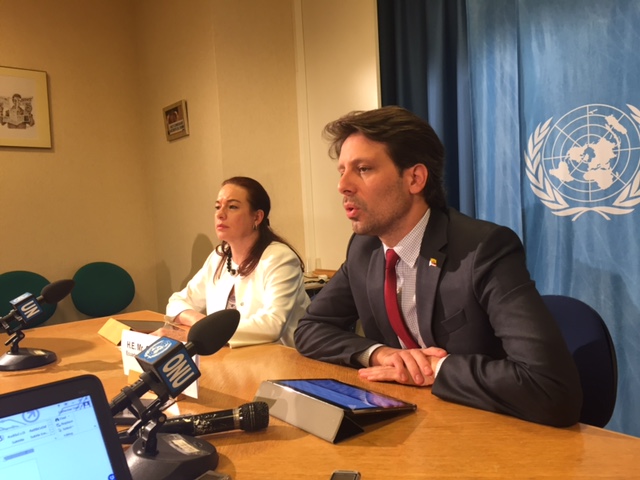
A top Ecuadoran official said today at the United Nations in Geneva that WikiLeaks founder Julian Assange’s health is deteriorating after four years confined in the Ecuadoran embassy in London, while the United Kingdom and Sweden are ignoring the findings of the UN Working Group on Arbitrary Detention which called for Assange’s release. The Ecuadoran Minister of Foreign Affairs also said Ecuador will carry on issuing compulsory licences for medicines as it sees fit, underlining the increasing role of intellectual property and the greater privatisation of knowledge.

Washington Post- Colombia Battles World’s Biggest Drugmaker Over Cancer Drug

[From the Washington Post] BOGOTA, Colombia — Colombia’s government is giving pharmaceutical giant Novartis a few weeks to lower prices on a popular cancer drug or see its monopoly on production of the medicine broken and competition thrown open to generic rivals.

Why We Celebrated World Intellectual Property Day 2016

Corey Salsberg writes: Yesterday was World Intellectual Property Day. April 26 is the day we celebrate and call attention to the global intellectual property (IP) system. Why do we set aside a day for the entire world to stop and reflect on a subject that, for many, may seem more at home in board rooms, lecture halls, and legislatures, than in cafes, farms, and internet blogs?

Tribute To Brazilian Legal Scholar Denis Barbosa

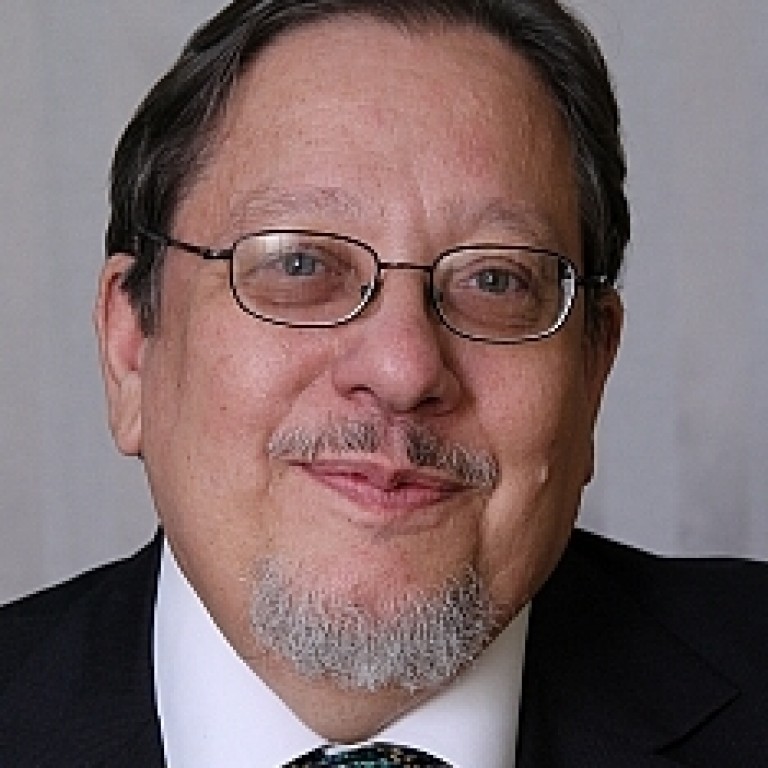
Genius, brilliant, generous, wholehearted, warm, kind, funny, original, musician, art lover, brave, restless, these are few of the most suitable and recurrent attributes of Denis Borges Barbosa, who passed away on Saturday, April 2nd. Leading IP professor, researcher and attorney in Brazil, he was also the key international face of Brazilian IP, write Allan Rocha de Souza and Cláudia Chamas.

USTR Strikes IP Deal With Honduras On Generic Cheese, Signal Piracy

The government of Honduras has committed to a work plan for protecting intellectual property rights that includes recognition of food names considered generic by the United States such as "parmesano" (parmesan), provolone and bologna, the Office of the United States Trade Representative (USTR) announced today. Other commitments include signal piracy related to cable and satellite, and a customs trademark registry.

A Look At The Marrakesh Treaty Ratification In Brazil

The Marrakesh Treaty, first of its kind, will enter into force three months after the deposit of the instruments of ratification or accession by 20 eligible countries. So far, thirteen have done so. Brazil, which was one of the main proponents and negotiators, deposited its ratification of the treaty on December 11, 2015, after the yearlong internal legislative process. The key question we are trying to face here is how the ratification of this treaty may impact Brazilian copyright legislation and the interpretation of the limitations.

Colombia Asked To Declare Excessive Price For Cancer Drug Contrary To Public Interest, Grounds For Compulsory License

Colombia has a decision to make. A full year has passed from the November 24, 2014 request by iFarma, Misión Salud and CIMUN for a declaration of the public interest regarding the cancer drug imatinib (marketed by Novartis as Gleevec/Glivec), the first step on the path toward a compulsory license in Colombia. Thus far, Colombia’s Ministry of Health and Social Protection has failed to act one way or another, leaving patients in limbo and the government at the mercy of a Swiss pharmaceutical giant that reported revenue of over $57.9 Billion USD in 2013, write James Love and Andrew S. Goldman.