Category Latin America/Caribbean

The New Caribbean Patent Convention And Caricom Stasis
Abiola Inniss writes: The creation of the Caribbean Patent Convention under the auspices of Caricom is a long awaited and most welcome development towards the harmonization of intellectual property laws in the region. Even more importantly, it is an indication that Caricom leadership has at long last, after a lengthy period of stagnation and indeterminacy, finally decided to engage the process of thought and action necessary for the promulgation of a legal and regulatory framework for Caribbean intellectual property. The convention is expected to be enacted later in 2017.

Year Ahead: A Rather Speculative Year In Global Trade

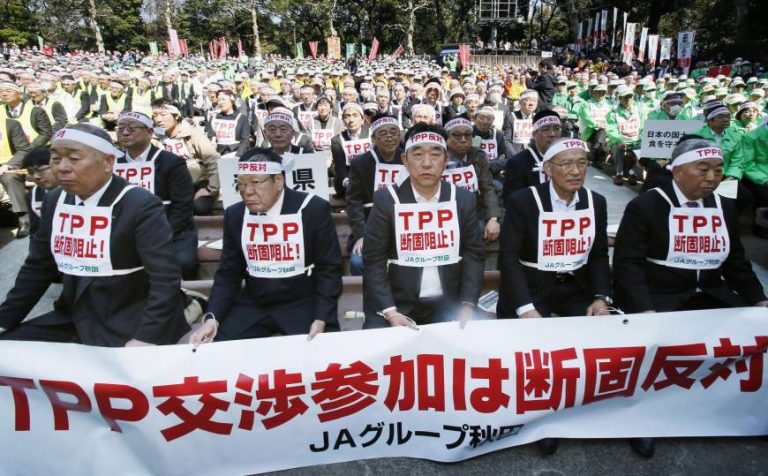
An interesting year lies ahead for trade policymakers. With US President Donald Trump sticking to his “America First” announcement pulling back from the Trans-Pacific Partnership right away, a new trade (world) order might be in the making. In every crisis, there is opportunity, Argentinian Trade Minister Susana Malcora said in Davos during the January World Economic Forum (WEF) where the business elite otherwise traded concerns at the beginning of an unpredictable year 2017.

Resolution On Compulsory Licences For Patented Medicines Passes In Chile

A resolution has been passed by Chile’s Chamber of Deputies, a branch of its National Congress, to encourage the use of compulsory licences to import generic versions of a patented drug when necessary to protect and promote the health of the population.

A Case For Trade Enforcement: Colombia And Intellectual Property

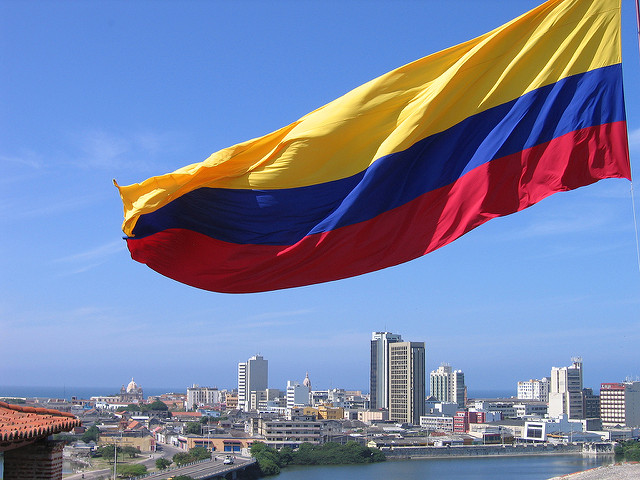
President Trump and members of his administration have rightly talked about the need to be tougher on trade enforcement, including promising to take a closer look at existing trade agreements to see whether they should be revoked, renegotiated, or more strictly enforced. A candidate ripe for review is Colombia, and in particular, its ongoing failure to implement intellectual property provisions under the U.S. Colombia Trade Promotion Agreement (TPA), Nigel Corey writes.

Trademarks Promote Economic Growth In Latin America, Industry Study Says

A new study by intellectual property trade associations analysed the correlation between trademarks and their economic impact on several Latin American countries. The study found that trademark registration is growing in the region and promotes economic growth.

Navigating Fragmented Laws And Systems Around Tobacco Packaging Lawsuits

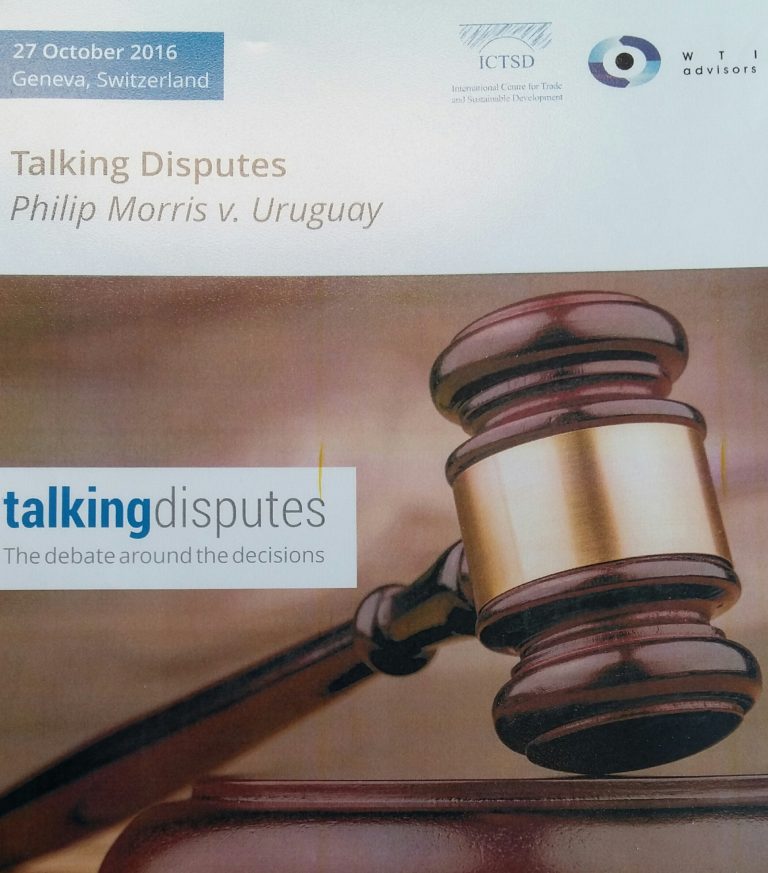
Sitting between different rights, powers and principles at the intersection of differing legal regimes is the case of Philip Morris v Uruguay. The case, which concerns Uruguayan regulations that impose enlarged graphic health warning requirements on tobacco packaging and reduce the varieties of a tobacco brand that can be sold, has since its decision in July this year by an investor-state arbitration tribunal, has caused much discussion among legal practitioners and academia and attracted broader public attention.

Which “Brazil” Will Chair The Marrakesh Treaty Assembly?

The supposedly impossible happened: The Marrakesh Treaty entered into force on 30 September, three months after reaching the necessary minimum of 20 ratifications. By then, 22 countries had done so – two more did so during the Marrakesh Assembly.

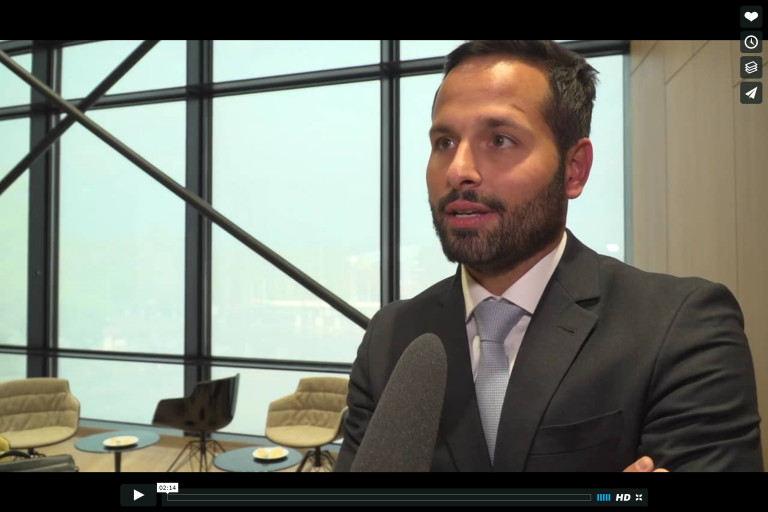
Interview With Brazilian Culture Minister Marcelo Calero

At last week's first-ever Assembly of the Marrakesh Treaty, Intellectual Property Watch caught up with the Assembly Chair, new Brazilian Culture Minister Marcelo Calero. He talked briefly about the importance of libraries and of implementing the Marrakesh Treaty.

Access And Benefit Sharing Mentioned In US Patent For Natural Dye, Might Be A First

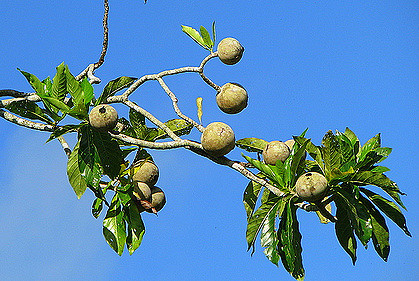
A recent patent granted by the United States Patent and Trademark Office to a Colombian company stated where the genetic resource of the invention was taken from and described the access and benefit-sharing agreement made with indigenous communities. This might be the first time that such a statement appears in a US patent, according to a source.

Olympic Games: Trademark Revenues Are High Stakes

With a budget of over 2 US$ billion, the Brazilian Olympics rely heavily on commercial sponsors and licensing for revenue. Protecting the Olympic symbols is thus an imperative for the games with stringent rules on the use of those symbols and related signs. However, the fame of the event also draws covetousness from a variety of commercial actors seeking free rides, which is a dangerous endeavour, according to legal sources. Brazil adopted special rules for the occasion, while in the United States the protection is particularly stringent.