Category Asia/Pacific

AbbVie Hepatitis C Treatment Patents Challenged In India For Evergreening

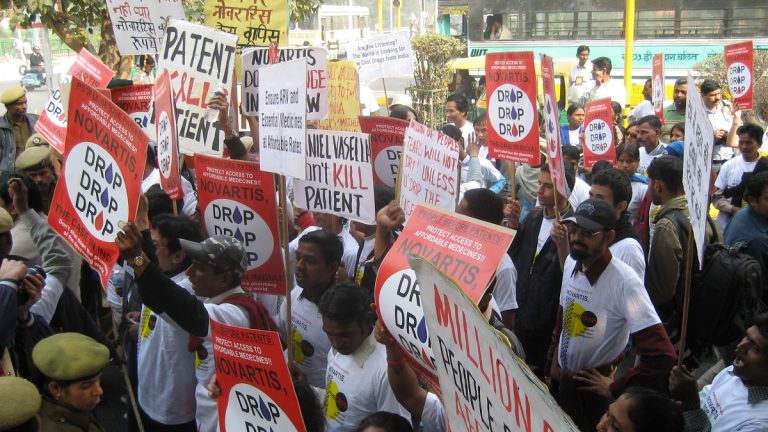
The Initiative for Medicines, Access & Knowledge (I-MAK) and the Delhi Network of Positive People (DNP+) filed an opposition with the Indian Patent Office in Delhi on 21 July to prevent the granting of a patent to AbbVie on pibrentasvir, which forms part of Mavyret, their drug used to treat Hepatitis C, according to a press release.
Oppositions Filed Against Gilead Hepatitis C Patent Applications In India

Oppositions have been filed in India against two patent applications from US pharmaceutical company Gilead for important hepatitis C medicines, according to non-governmental sources. The opposition filings assert that these applications are “evergreening” patents and therefore violate Indian patent law.

US Imposes USD 50B In Tariffs On China For Forced IP/Tech Practices, Cybertheft

The United States today released a list of products imported from China to the US on which additional tariffs will be placed as a measure aimed at pressuring China to change its practices the US says force US companies to give up intellectual property and transfer technology. Some industries have been dropped from the list such as pharmaceuticals, while a second list has now been announced, officials told reporters this morning.

World’s 5 Largest IP Offices Name Artificial Intelligence A Top Strategic Priority

The heads of the patent offices of China, Europe, Korea, Japan and the United States met today and declared artificial intelligence one of the top strategic priorities for them as a group. Other efforts included work on harmonising patent practices, the Global Dossier program, classification of new technologies, and patents and standards, according to a release.

US Section 301, China, And Technology Transfer: Law And Its Limitations Revisited (Again)

Frederick Abbott writes: On 20 May 2018, US Treasury Secretary Mnuchin announced that the US and China were “putting the trade war on hold” while the two countries seek to “execute the framework” of a broad agreement intended to reduce the US trade deficit in goods with China. According to the joint statement issued on 19 May 2018, “Both sides attach paramount importance to intellectual property protections, and agreed to strengthen cooperation. China will advance relevant amendments to its laws and regulations in this area, including the Patent Law.”

Artificial Intelligence Applied: ‘Alex’ May Respond To Trademark Filers’ Facial Expressions

A new “virtual assistant” used by the Australian Intellectual Property Office may be able in the future to read the facial expressions of trademark filers and provide them with solutions - with empathy.

Five Years After The Indian Supreme Court’s Novartis Verdict

On 1 April 2013, in a packed room inside India’s Supreme Court, a magnificent building in Indo-British architectural style, two judges delivered a verdict that impacted the national and global conversation about patents and patients. India’s apex court delivered a 112-page landmark judgement which dismissed Swiss pharma giant Novartis AG’s appeal for a patent for its life-saving cancer drug marketed under brand name Glivec in most parts of the world. The Novartis case triggered a hugely polarising discourse around the world about a key feature of India’s patent regime.

Patent Backlogs Fuel Efforts To Extend Pharma Patent Terms In Thailand And Brazil, AIDS Activists Say

For a variety of reasons, Thailand and Brazil have huge backlogs of pharmaceutical patent applications. The delay in patent examinations is creating pressure on the countries to extend patent protection terms to the detriment of access to affordable medicines, AIDS organisations say.

Study Finds Rise In Use Of India’s Section 3(d) Against Pharma Primary Patents

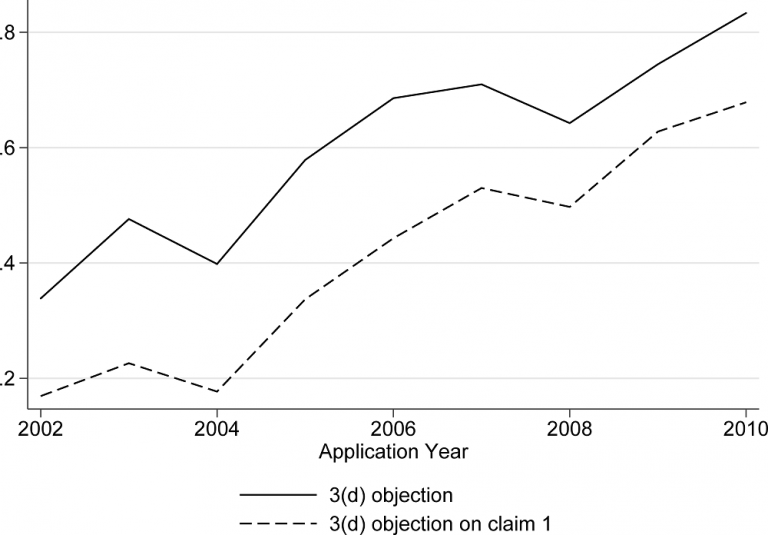
Access to affordable medicines is one of the most pressing policy issues globally. India has played a prominent role as “pharmacy of the developing world” with its generic medicine industry; however, the interpretation and implementation of a particular section of the law can significantly affect this role, according to a recent study.