MSF Challenges Pfizer Patent Application For Pneumonia Vaccine In India
Today, Médecins Sans Frontières (MSF, Doctors Without Borders) filed a patent opposition against Pfizer’s vaccine for pneumonia in India.

Original news and analysis on international IP policy
Today, Médecins Sans Frontières (MSF, Doctors Without Borders) filed a patent opposition against Pfizer’s vaccine for pneumonia in India.
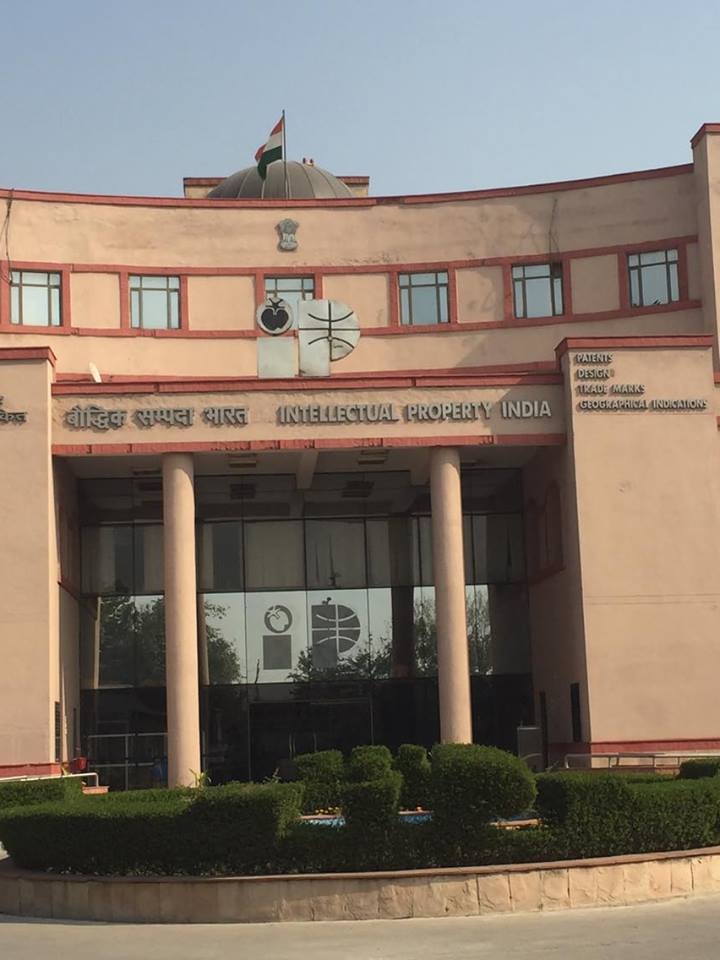
NEW DELHI -- Are patient groups, health activists and manufacturers of low-cost generic drugs always on the same page? Do India’s generic companies think alike? The short answer: not necessarily, though their interests have overlapped on many occasions.

Russia is continuing to strengthen its national legislation in the field of intellectual property, through the provision of means for foreign copyright holders to more actively protect their intellectual property in Russia and the elimination of bureaucratic hurdles, according to official sources.
Passage of the Trans-Pacific Partnership agreement is the Obama administration's top trade priority this year, the Office of the United States Trade Representative said in its annual trade agenda released today. The agenda highlights intellectual property protection but also says all the right things on copyright limitations and exceptions, safe harbor for internet service providers, and the ability of countries to use flexibilities under international trade law.

Russian Health Minister Veronika Skvortsova said today that two “highly effective” vaccines against Ebola have been developed over the course of 15 months in Russia. The combined vaccine GamEvac-Combi was presented during a briefing, with the two scientists who developed it, who own the intellectual property rights on the vaccines in Russia.
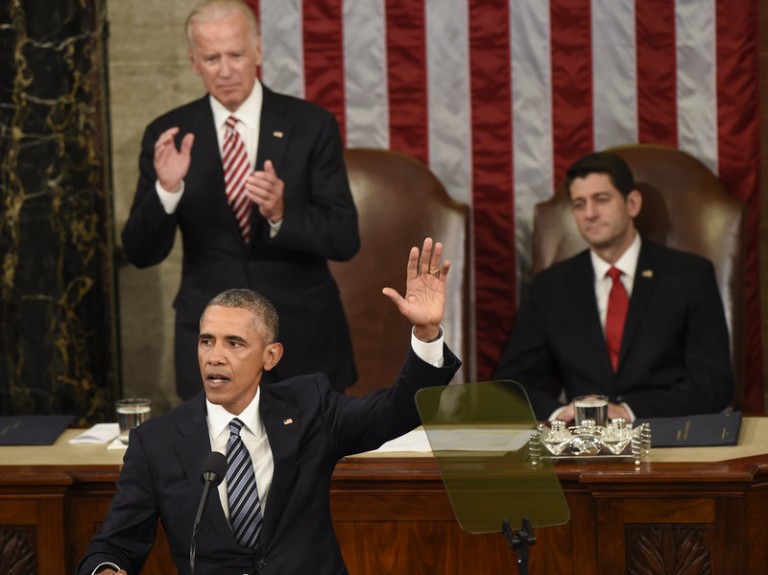
On the eve of a three-day mega hearing on the impact of the Trans-Pacific Partnership (TPP) starting today at the US International Trade Commission, President Barack Obama called on Congress to approve the trade deal. In his final annual State of the Union Address last night, the TPP got only a minor mention.

CAPE TOWN, South Africa -- Small growers of Rooibos tea, in a remote region of South Africa, have taken up the charge in pursuing a geographic indication certification to protect their unique red tea against misuse and imitation. Intellectual Property Watch brings you the local story.
The most-read stories of 2015 on the Intellectual Property Watch website fairly reflected the trends of the year, with the Trans-Pacific Partnership (TPP) agreement, India’s evolving intellectual property rights policies, European Patent Office patents on conventional vegetables, biologics, 3D printing, and some pop culture issues leading the way.
In the coming weeks, IP-Watch will review in-depth what’s in store for 2016, already underway. But for now, let’s take a look at last year’s highlights.
The 26th United States-China Joint Commission on Commerce and Trade (JCCT) meeting was held from 21-23 November, and covered a wide range of intellectual property-related areas, including standards and IP, trade secrets, geographical indications, sports broadcasting, enhanced enforcement against media boxes and unauthorised content providers, and online enforcement.

The TPP is done, or not quite. But what is still lacking, what are next steps and what does the finalised deal do to the grand picture of the mega-trade deal landscape? Japanese economist Nakagawa Junji, Professor of International Economic Law Institute of Social Science, University of Tokyo, shares a view from Japan with writer Monika Ermert.