Category Africa

Keyword Advertising: The Next Instalment In The Interflora v M&S Saga

A few days after the first South African case to consider the issue of internet keyword advertising (Cochrane Steel Products (Pty) Ltd v M-Systems Group (Pty) Ltd & Another Case 39605/13, 29 October 2014), we had the next instalment – from the English Court of Appeal – in the dispute between Interflora and Marks & Spencer (Interflora Inc & Another v Marks & Spencer plc [2014] EWCA Civ 1403). Yes, it is, indeed, not just any dispute concerning keyword advertising. It appears that these two litigants have taken it upon themselves to definitively settle the law relating to keyword advertising, through the various judgments their dispute is yielding.
Kenyan Community Benefits From Its Genetic Resources

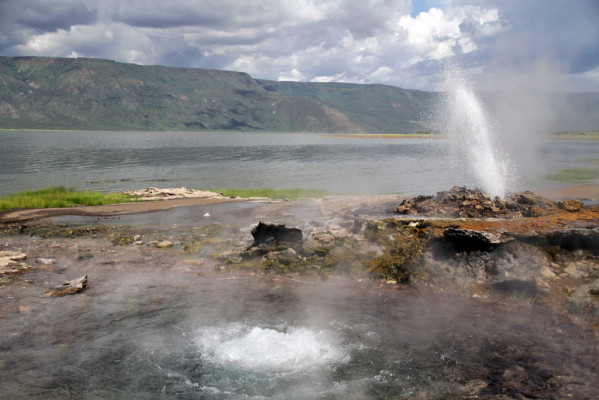
In Kenya, residents living around Lake Bogoria in Baringo County have received Kenya shillings 2.3 million, about USD 26,000, as royalties paid by a Danish bio-enzyme company.

UNCTAD Forum: Local Drug Manufacturing A Key To Universal Health Coverage

Local production of medicines in developing countries is key to advancing universal health coverage, but other factors need to be considered, such as the involvement of all stakeholders and policy coherence in governments, according to speakers attending the World Investment Forum this week. Several speakers called for a paradigm shift in global health.

IT Innovation Supporting Home-Grown Solutions In Uganda

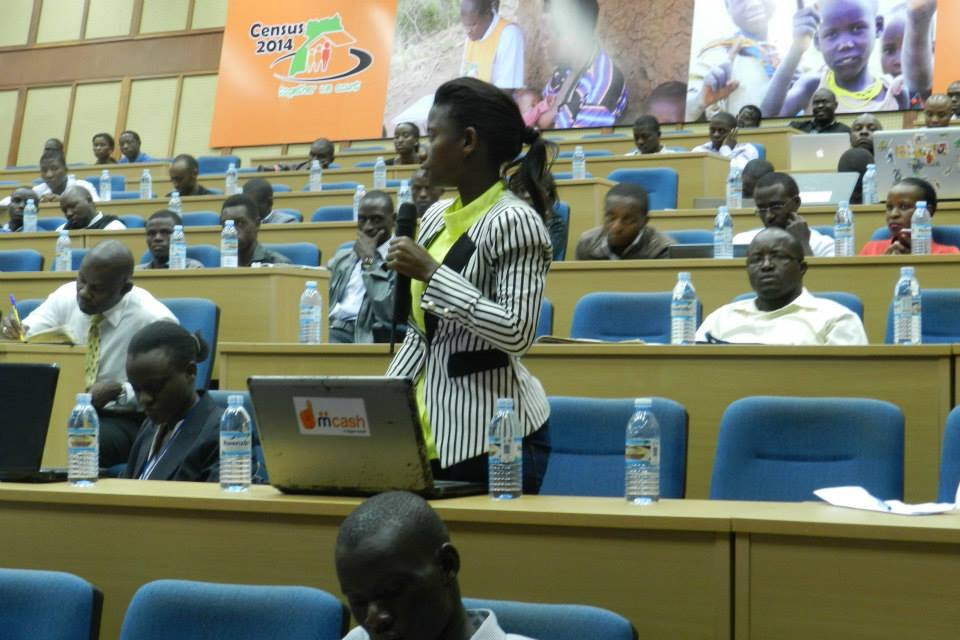
With the world’s youngest population, fast-rising access to internet and rapid spread of the use of mobile phones, Ugandans are starting to embrace information and communication technology innovations. This is confirmed by the increasing number of mobile and web applications with working prototypes developed in the country.

EU Legislation On Nagoya Protocol Becomes Effective; What Effect On Indigenous Peoples’ Rights?

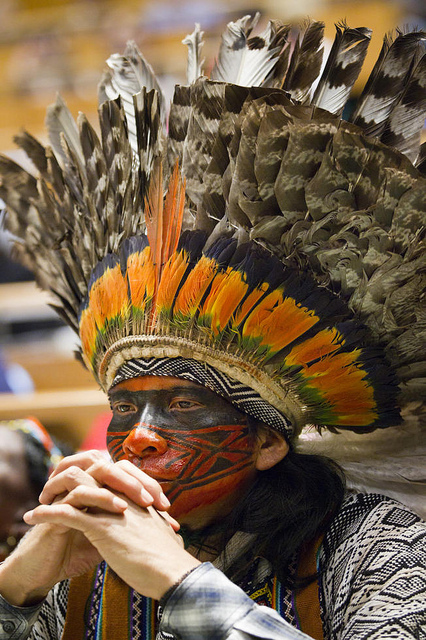
The entry into force of an international treaty facilitating access to genetic resources and ensuring the fair sharing of potential commercial benefits has prompted the applicability of a European Union regulation relating to the treaty. This led a researcher to call on the treaty members to ensure its implementation protects the rights of indigenous and local communities.

UPOV Governing Body Meets This Week Amid Civil Society Concerns Over Harmonisation

The International Union for the Protection of New Varieties of Plants (UPOV) is holding meetings of its governing and technical bodies this week. In particular, the UPOV Council is expected to renew Francis Gurry's mandate as the organisation’s secretary-general, approve technical documents, and confirm the conformity of a Tanzanian plant breeders' rights act.

Meanwhile, civil society has sounded the alarm over what it considers to be efforts to harmonise the application and examination procedures by the seed industry. Separately, a civil society study, carried out on three developing countries claims that UPOV 1991 might be threatening the global right to food.

“Trade Matters” For BRICS In Africa, So Does Internet Connectivity

Last week’s World Trade Organization Public Forum hosted dozens of panels on the general theme of "why trade matters." A panel focusing on the role of Brazil, Russia, India, China and South Africa (BRICS) found that the new BRICS Development Bank could foster infrastructure development in Africa, while another panel said that removing barriers to internet connectivity is key to economic growth.

Nagoya Protocol Enters Into Force, Will Be Tested In Months To Come

The Nagoya Protocol, a treaty expected to ensure greater access to genetic resources and a mandatory fair benefit-sharing of the benefits that could be derived from those resources, will enter into force on 12 October, almost four years after it was agreed.

Alarm Over Monsanto-Backed Push To Acquire African Seed Company

An African civil society group has voiced concerns about the takeover by giant multinational seed companies of home-grown African seed companies, the latest of which involves Africa’s SeedCo.

Formal IP System Does Not Fit Africa, LDCs Need Technological Capacity, Speakers Say

On the last day of the World Trade Organization Public Forum, a panel discussed the relationship between intellectual property and innovation in Africa, in particular in the informal sector. The formal IP system does not seems to fit, and least-developed countries need a sound technological base to be able to use the IP system. Separately, a European Patent Office study shows that Africa has a vast yet untapped potential in renewable energy.