Category ITU/ICANN

Remote Sensing And (Geo-) ICTs, Prime Tools To Achieve SDGs, WSIS Forum Hears
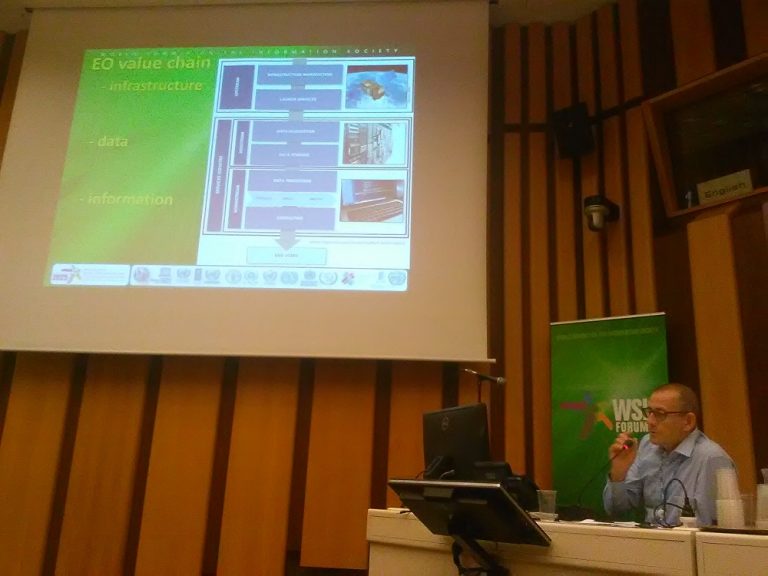
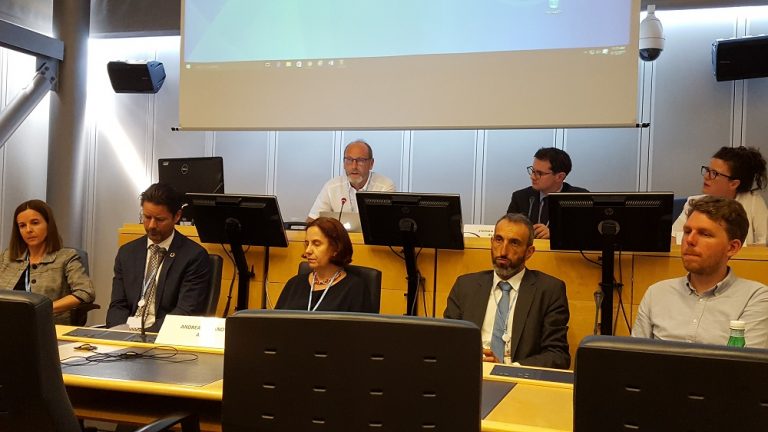
Remote sensing and geo-ICT are prime technological tools to achieve the United Nations Sustainable Development Goals (SDGs) by 2030, according to VITO, the Flemish Institute for Technological Research. But technology should not be considered as “deus ex machina,” a speaker added during the recent World Summit on the Information Society Forum (the WSIS Forum 2017).
Joint Effort Required To Expand Local Online Content And Broadband Access

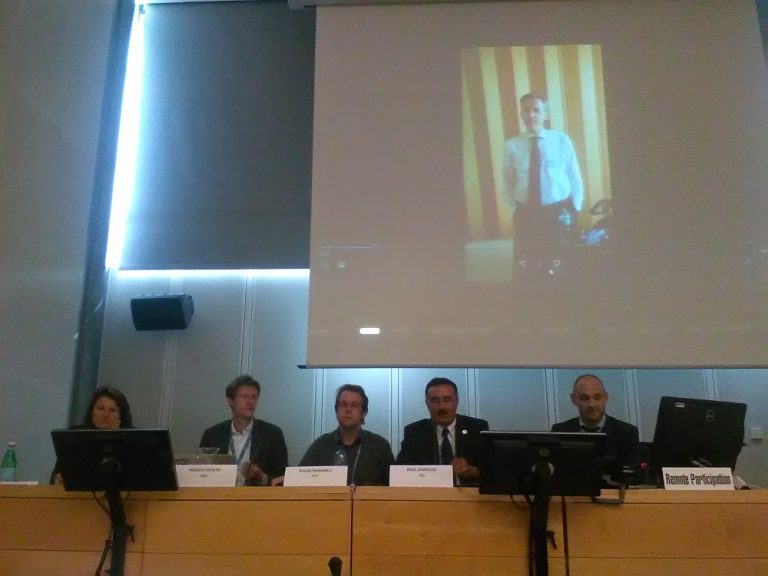
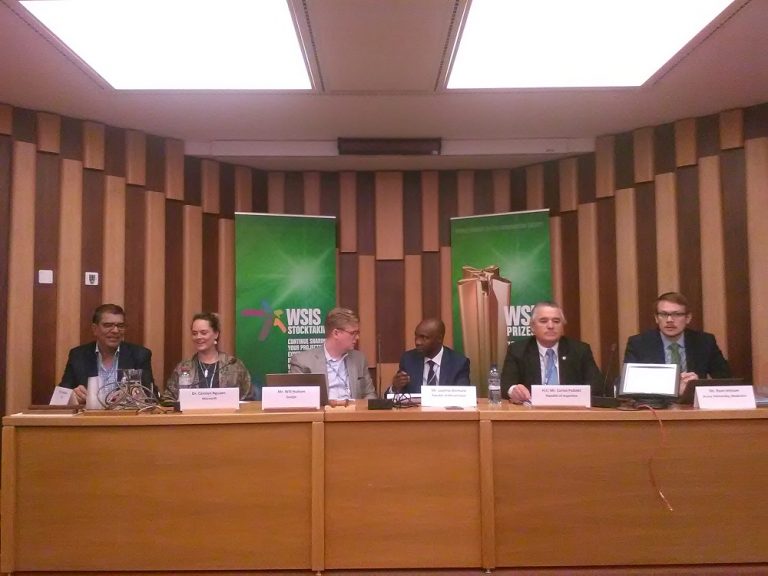
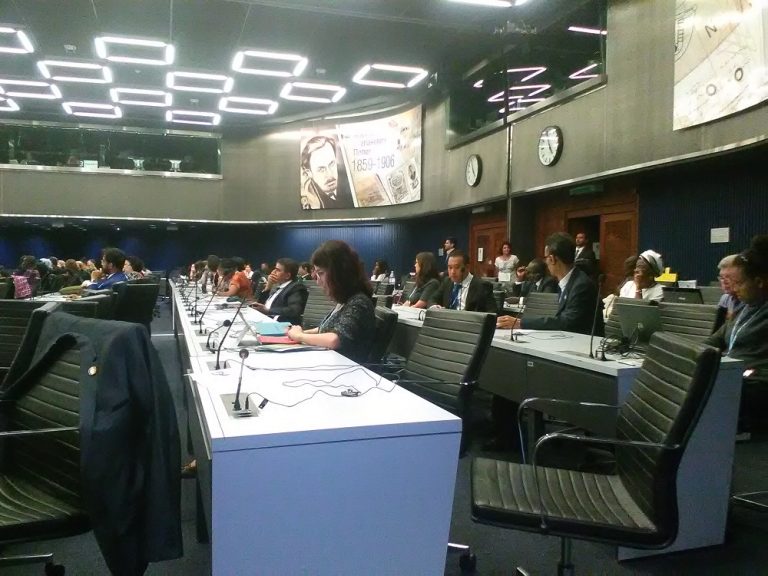
The lack of content on the internet in local languages and the lack of local digital skills, especially among women and girls, remain central challenges for the digital economy, speakers said during a panel discussion at the recent World Summit on the Information Society Forum 2017 (WSIS Forum 2017).

High-Level Track Of WSIS Forum 2017 Breaks All Records

The number of participants, sessions and the quality of the contributions of the different speakers has never been as high as during this year’s edition of the World Summit on the Information Society Forum (the WSIS Forum 2017), according to organisers.

Open Access Policy In International Organisations

Open access is “part of the DNA” of international intergovernmental organisations, Charlotte Beauchamp, head of editorial and design at the World Intellectual Property Organization, said during a workshop last week. Representatives of different international organisations described during the workshop the increasing use of an open access policy by their organisations.

WSIS Forum: Close Link Between Internet And Human Rights

There is “no question” that there is a link between the infrastructure of the internet and human rights, Nicolas Seidler, senior policy advisor at the Internet Society, said at an information society event this week. Human rights are becoming “increasingly part of the design of the internet,” Niels ten Oever, head of digital at ARTICLE 19, said at the same event.

Stakeholders Collectively Designing Future Of Artificial Intelligence

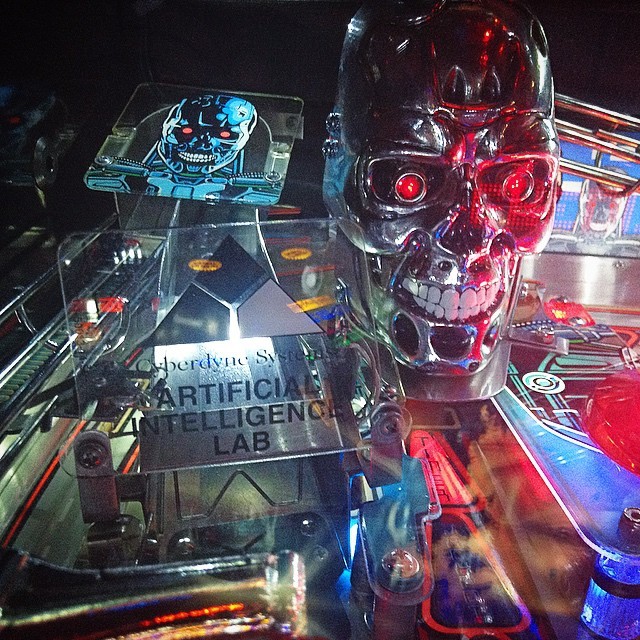
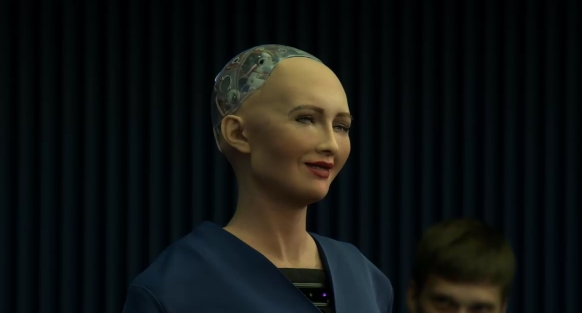
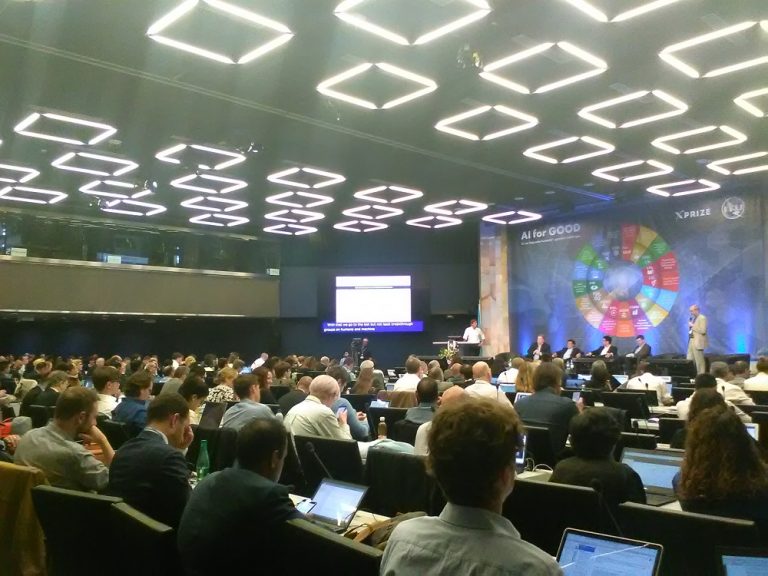
Designing a world where humans have to share space with robots is not an easy task. Several initiatives are looking at ways to address issues linked to the main fuel of artificial intelligence: data. Such issues include privacy, data ownership and sharing, but also making sure that artificial intelligence will not widen the existing digital divide. Speakers at a global summit last week provided insight on ongoing efforts to understand and best tackle the inevitable and sometimes unforeseen problems of this new territory.

Panellists At UN: Create A Global Research Centre For Artificial Intelligence?

Artificial intelligence can solve many challenges facing humanity and it is seen playing a contributing role to the achieving of the United Nations Sustainable Development Goals (SDGs), but being data-driven, the inevitable question that arises is who owns it and manages it.

Experts Think Through Ethical, Legal, Social Challenges Of The Rise Of Robots

Who thought that the laws of robotics described by famous science fiction author Isaac Asimov would one day resonate with real life issues on robots? Last week’s summit on artificial intelligence sought to imagine a world increasingly manned by machines and robots, even self-taught ones, and explore the legal, ethical, economic, and social consequences of this new world. And some panellists underlined a need to establish frameworks to manage this new species.

Speakers Look At Artificial Intelligence For Sustainable Living

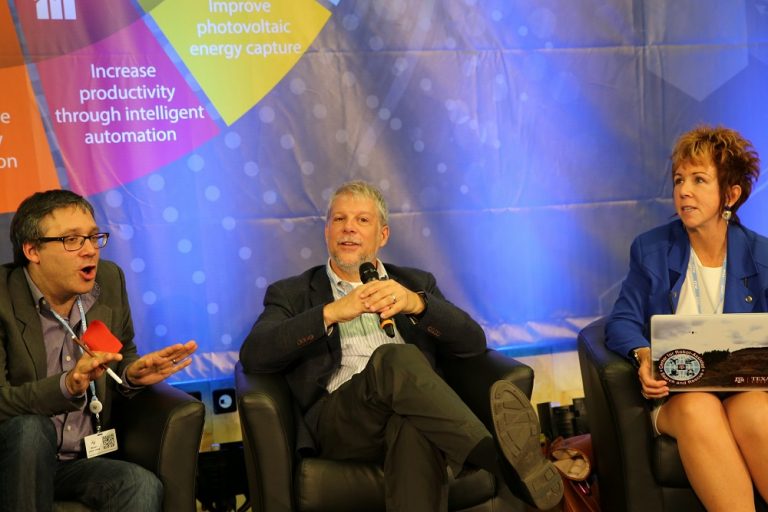
A panel of experts on artificial intelligence last week agreed that there are many opportunities for artificial intelligence to encourage a common good and sustainable living. And they set out several ways to get there.

Security, Privacy, Trust Remain Challenges For The Internet Of Things

It is “amazing” what can be done via the internet and the Internet of Things is a “game changer,” a speaker said during the Internet of Things Week currently taking place in Geneva. Ninety percent of the data in the world has been created in the last two years. And the speed of data creation is still increasing, another speaker said.