Category Traditional and Indigenous Knowledge

Status Quo For WIPO Committee On Genetic Resources; Dialogue Ongoing To Unlock It

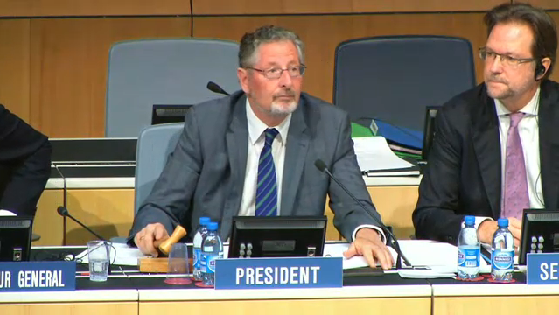
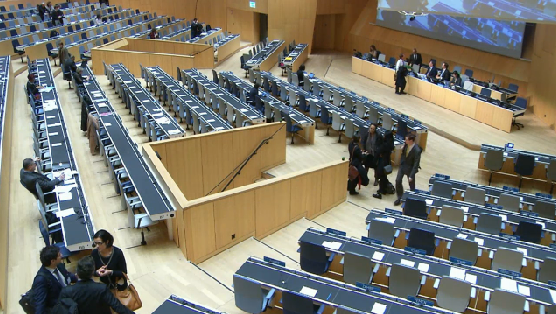
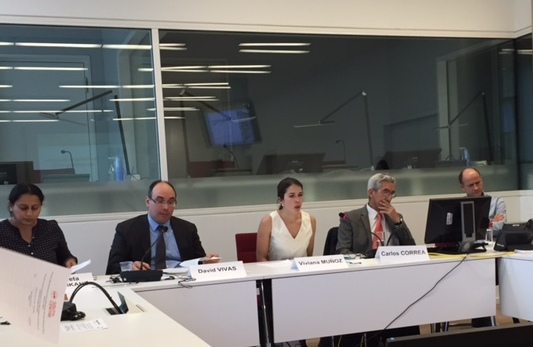
The amiable mood which prevailed at the outset of the World Intellectual Property Organization committee on genetic resources and traditional knowledge meeting did not hold as negotiations on language of a potential treaty text to prevent misappropriation of genetic resources unearthed vivid divisions on the way to achieve such prevention. In addition, the participation of indigenous peoples is jeopardised by lack of funds, and the committee called for governments to help.
WIPO Members Debate Disclosure Of Origin For Genetic Resources In Patents

World Intellectual Property Organization members this week are discussing ways to protect genetic resources from misappropriation and ensure that those resources, when their access has been agreed - if exploited commercially - open up rights to the sharing of benefits from this exploitation. Negotiators yesterday discussed what type of instrument might be agreed, and debated a proposal to require disclosure of origin of genetic material.

Discussions On Genetic Resources, Traditional Knowledge Resume At WIPO Against Stormy Background

After a hiatus of one year, the WIPO Committee working on the protection of genetic resources, traditional knowledge and folklore against misappropriation resumes its work next week. The subject is touchy, with most developing countries asking for legal protection, while some developed countries do not want to consider binding rules. Disagreement already arose at the end of 2015 over interpretation of the committee's mandate, freshly approved in October.

Plant Treaty In 2016: Sustainability Solutions, Farmers’ Rights, Global Information System

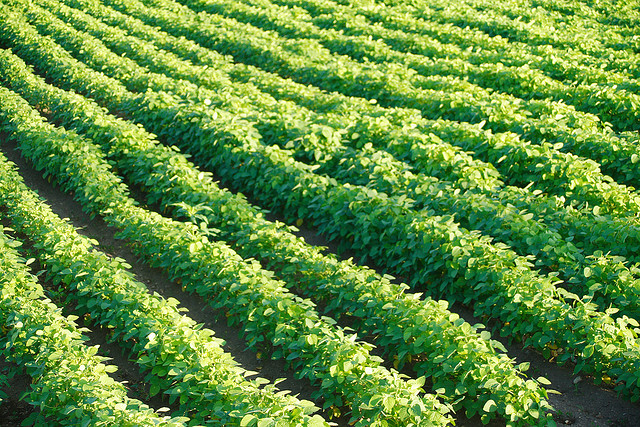
The International Plant Treaty, which established a global system to make available genetic materials for main agricultural crops for farmers, plant breeders and scientists, and in exchange provide a system of benefit sharing, has been struggling to find ways to be financially sustainable for some time. This year, the treaty will work on ways to do that, including in devising a subscription system that would reach a twin goal: avoiding non-payment of voluntary contributions, and ensuring a sustainable and predictable income stream. In addition, a global consultation on farmers’ rights is planned, and work should be ongoing on a global information system allowing more visibility for plant genetic material for food and agriculture.

2016: UPOV Works To Improve Breeders’ Applications, Civil Society Calls For Alternative System

The Geneva-based International Convention for the Protection of New Varieties of Plants (UPOV) provides intellectual property rights protection for plant breeders. In 2016, the organisation is planning to work on systems to facilitate breeders’ applications for new varieties. Meanwhile, civil society is calling for ways to protect plant varieties other than through UPOV, which they see as hindering farmers’ rights.

FAO Head Says Livestock Diversity Is Crucial For Future Food Security On A Harsher Planet

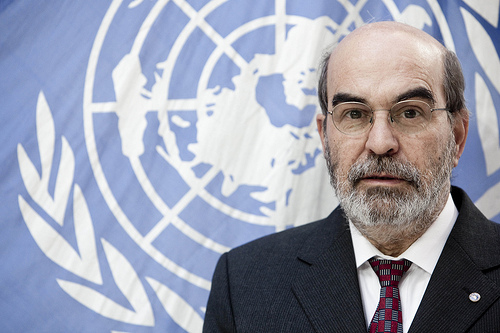
FAO Director-General José Graziano da Silva writes: Our livestock is increasingly being raised indoors and fed on concentrate feed that is often imported. Intensive production of chickens, pigs and dairy cows is based on a few breeds worldwide. These developments are risky, as we and future generations are losing the potential to adapt livestock production systems to increasingly harsh conditions such as those associated with higher temperatures and shortages of nutritious feeds.

WHO To Study Effect Of Nagoya Protocol On Sharing Of Genetic Materials

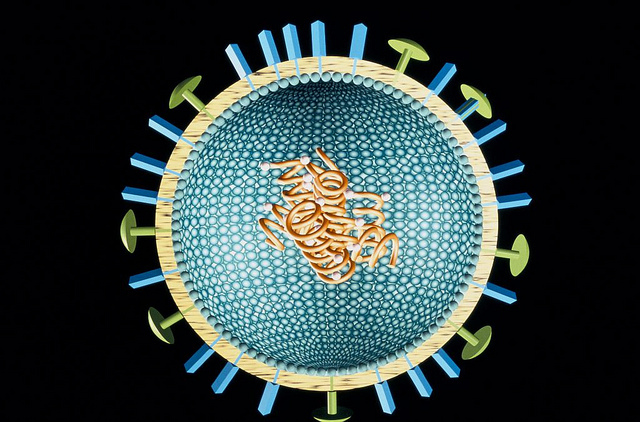
The implementation of a protocol ensuring access to genetic resources and the fair and equitable benefit-sharing of commercial benefits might affect the sharing of pathogens samples between countries, said the United Kingdom and the Netherlands, who asked the World Health Organization to study possible implications of the protocol’s implementation.