Category Technical Cooperation/ Technology Transfer

Aid Agencies Hail Agreement On Access To Early Infant HIV Diagnostic Technologies
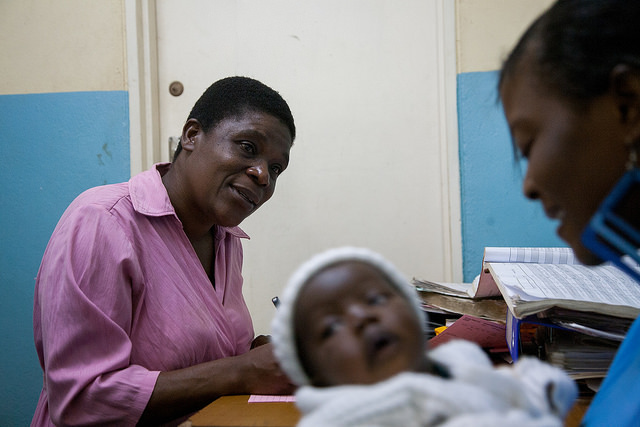
An agreement entered into by a range of international organisations and others announced this week is expected to lower the price of early infant HIV diagnostic technologies by 35 percent, according to the parties.


UNCTAD Official: Need For Policy Coherence In Local Pharmaceutical Production

Despite progress in recent years to boost local pharmaceutical production in developing countries, policy coherence across the countries is lacking, according to an official at the United Nations Conference on Trade and Development (UNCTAD).

Learning From Ebola

In 1976, Yambuku village school headmaster Mabalo Lokela felt sick when he returned from a trip to northern Zaire near the Central African Republic border. He had a high fever, diarrhea, and bleeding. Because he was initially believed to have malaria, Lokela was given quinine, but his symptoms got worse and he soon died. Shortly afterwards, those who had been in contact with Lokela also died. ... Almost four decades later, there is still no cure for Ebola, despite the fact that drug development on average takes about a third of this time frame, write William Fisher and Quentin Palfrey.

WIPO Committee Tackles Program, Budget Issues

The World Intellectual Property Organization Program and Budget Committee (PBC) is meeting this week with a full agenda of issues relating to planning for the next biennium as well as management matters.

New ARIPO Plant Protocol: Conflict Of Farmers’ And Breeders’ Rights?

KAMPALA, UGANDA -- Member states of African Regional Intellectual Property Organization (ARIPO) have adopted a protocol for the protection of new varieties of plants. The measure is aimed at modernising African agricultural practices, but some say it comes at the expense of age-old traditional farming practices, such as saving and re-using seed.

3D Printing And Public Policy

John Hornick writes: Although legal principles apply to 3D printing the same as they apply to any other technology, 3D printing has the unique potential to upset the legal status quo. It is the potential scale of 3D printing that may have profound effects on the law. 3D printing cuts across many areas of law, most types of technology, and almost all types of products. Eventually, anyone may be able to make almost anything. No one else will know they made it or be able to control it, which I call 3D printing away from control.

New Report Documents How Mobile Fundamentally Changed Internet Use

A new report released today shows how mobile technology has fundamentally transformed internet access and use. The report gives forecasts and makes recommendations for policymakers going forward. Among the findings is the rapid rise in dependence on apps, which can raise security, privacy, competition, and cost concerns, as well as issues of availability of locally relevant content online.

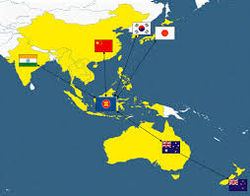
Secret Regional Comprehensive Economic Partnership (RCEP) Takes Centre Stage In Asia

The Trans-Pacific Partnership (TPP), part of US President Barack Obama’s promised pivot to Asia, has stirred up a hornet’s nest on the ethics of trying to hammer out a trade deal in secrecy. But it is not the only one. A proposed trade agreement in Asia, the Regional Comprehensive Economic Partnership (RCEP), is facing the same hiccups and flak.

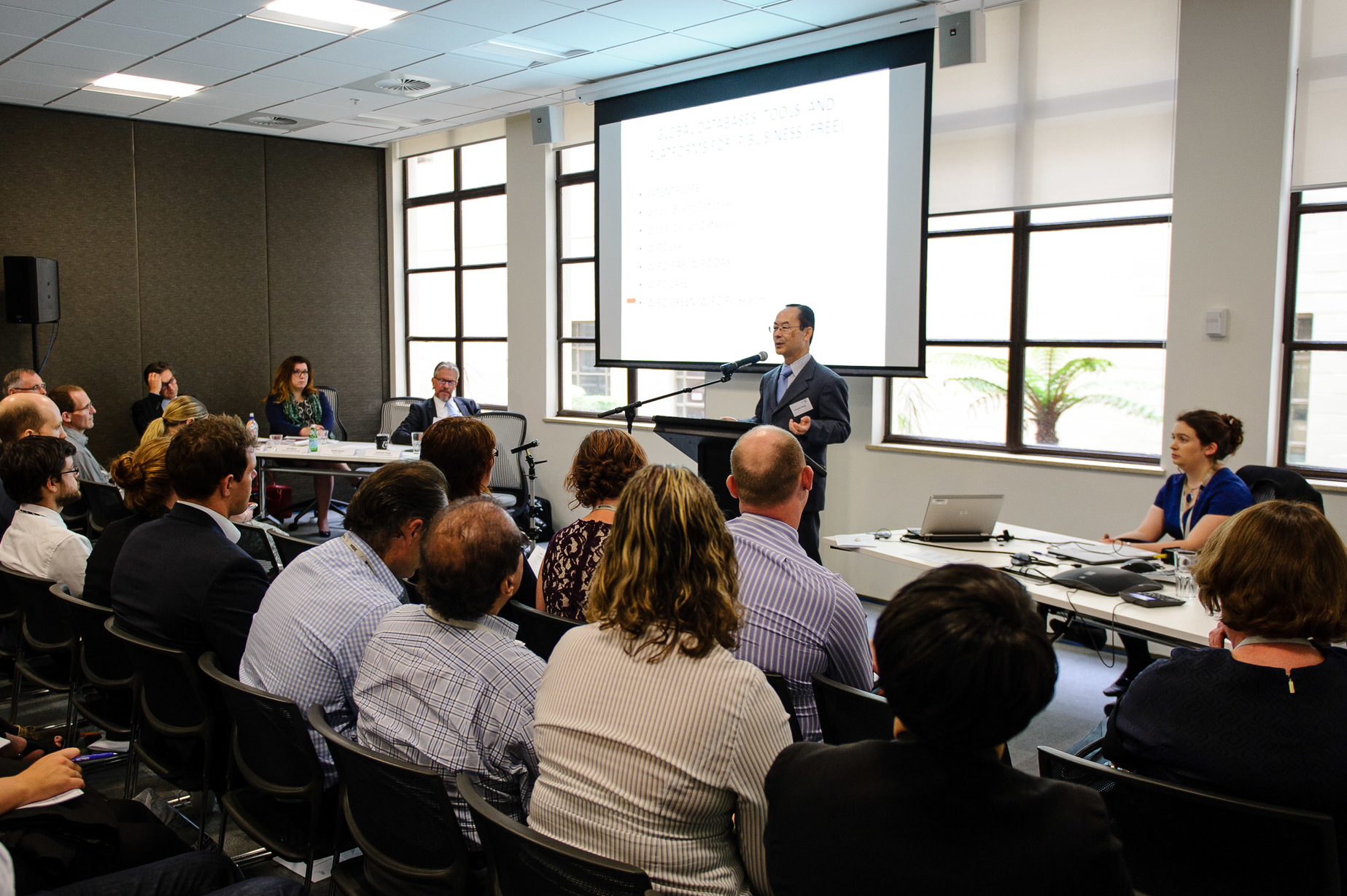
WIPO Roving Seminars Reach Out To Stakeholders In Developed Countries

The World Intellectual Property Organization has initiated a programme of reaching out to stakeholders in developed countries with “roving seminars” on WIPO services and initiatives. The programme targets potential WIPO customers, promotes local IP services and offices, and promotes intellectual property protection.

CERN Open Innovation Project Steps Up Collaboration

A collaboration between the European Organization for Nuclear Research (CERN) and leading information and telecommunications technology companies has entered a new phase in dealing with challenges in IT infrastructures. This new phase also marks the inclusion of public research organisations in the collaboration. Separately, the program director discussed the role of intellectual property rights at the lab.