Category Technical Cooperation/ Technology Transfer

WHO Debates Expansion Of Role In Virus-Sharing
The global treatment of influenza is under reconsideration at the World Health Organization this week, as a review group of a WHO influenza pandemic framework looks at issues such as its relationship with an international treaty protecting countries’ ownership biological resources.
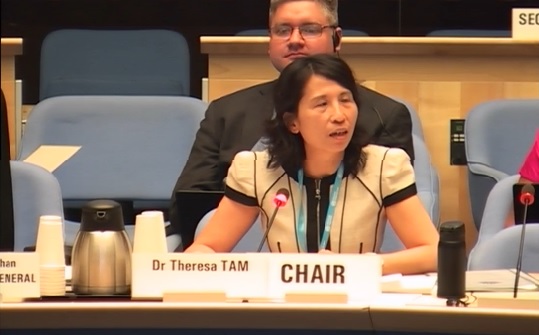

WHO Flu Pandemic Framework Working, Group Says; Some Concerned

A World Health Organization framework to respond to influenza pandemics is working successfully, the confidential draft report of a review team has found. But some areas, such as virus genetic information, still need more work. Stakeholders, meanwhile, are challenging some findings and a concern was raised that lawyers may be influencing the science behind decisions on this issue.

WHO Pandemic Flu Review Group Meets Next Week

The review of a World Health Organization mechanism for sharing pandemic influenza viruses while ensuring access to vaccines for developing countries is nearing conclusion. Next week, the reviewers will hold their last meeting, including an open session for governments and stakeholders to share views. The review is addressing issues such as the mechanism’s relationship with other international rules, and how to handle the rising use of genetic data instead of biological samples.

Review Of WIPO Development Agenda Implementation: Good Progress But Expectations Unfulfilled

A group of independent reviewers has found definite progress on implementing the landmark 2007 Development Agenda Recommendations at the World Intellectual Property Organization. But the UN agency needs to elevate the debate, tie in with UN development agencies, create reporting mechanisms, make projects more compatible with local development levels, and detail use of financial and human resources, the reviewers found.

The Expert On IP For Internet Protocol: Interview With Scott Bradner

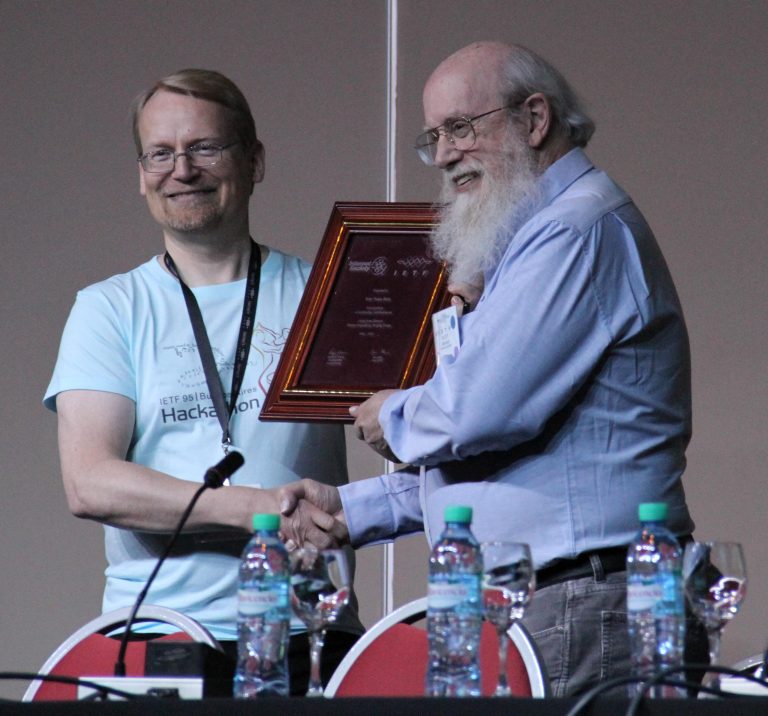
Fluent in both types of IP: Scott Bradner has been an architect of intellectual property (IP) policy for internet protocol (IP) standards. He played a core role in the development of internet protocol, leading to the very digital revolution we know today, as well as the next generation IPv6, all the while designing intellectual property policy to go along with it. Here is an interview with Bradner.

US Agencies Seek Comment On Updated Antitrust Guidelines For IP Licensing

In an age when licensing of intellectual property plays a critical role in business strategy, the United States Department of Justice and Federal Trade Commission are seeking public comment on a proposed update of the antitrust guidelines for IP licensing.

Kenyan Start-Ups Make The Ride Tough For Uber

NAIROBI, Kenya -- After making a dramatic entry into the African market late last year that was marked by as much drama as elsewhere in the world, global taxi hailing service Uber is facing tough times in the Kenyan market, thanks to a number of innovative tech start-ups that are giving the company a run for its money.

UNCTAD’s Work On IP To Continue In Strengthened Four-Year Mandate

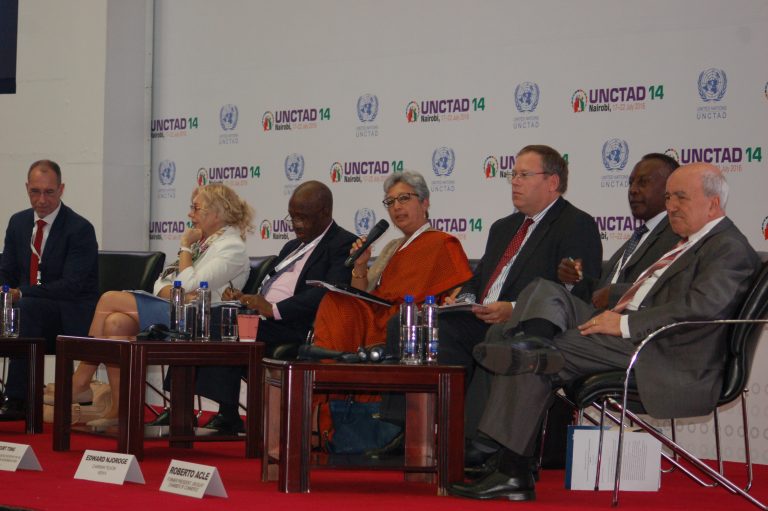
NAIROBI, Kenya (IP-Watch) – Intellectual property rights related to trade and development will continue to be part of the United Nations Conference on Trade and Development (UNCTAD)’s programme work, according to an agreement on the organisation’s four-year mandate reached at the agency’s 14th session in Nairobi.

UNCTAD14: Global Non-Tariff Measures Database Launched; Calls For Strengthened UNCTAD Heard

NAIROBI, Kenya (IP-Watch) -- A global database on non-tariff measures (NTMs) has been launched here at the 14th United Nations Conference on Trade and Development (UNCTAD 14). Also this week the World Investment Forum kicked off, the first such event since agreement of the UN Sustainable Development Goals.

Patenting By Universities Unhelpful, Paper Says; WIPO Programme To Be Reviewed

A new publication analysing the relationship between intellectual property and access to science explores ways countries have developed to counter the potential barriers created by IP rights, and says patenting by universities is counterproductive.