Global Fund Hits Reset On Executive Director Search
The Global Fund to Fight AIDS, Tuberculosis and Malaria is deliberating on how to start over on its search for a new executive director after questions arose near the end of the process.

Original news and analysis on international IP policy
The Global Fund to Fight AIDS, Tuberculosis and Malaria is deliberating on how to start over on its search for a new executive director after questions arose near the end of the process.
A new paper from the intergovernmental South Centre argues that intellectual property provisions in recent free trade agreements would impair countries trying to fulfil the United Nations Sustainable Development Goals. Image Credits: South Centre
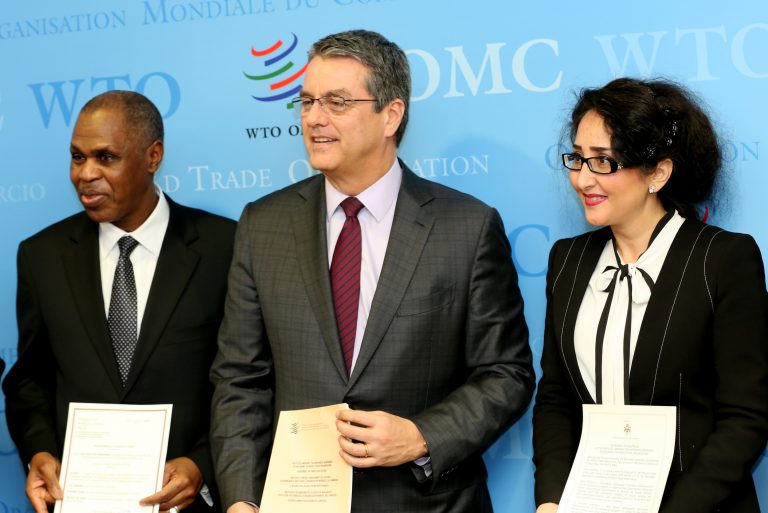
Multilateral institutions have received a lift with the realization of the World Trade Organization’s Trade Facilitation Agreement that is expected to provide a boost to sluggish international commerce by cutting out clogging regulations. Image Credits: Peter Kenny
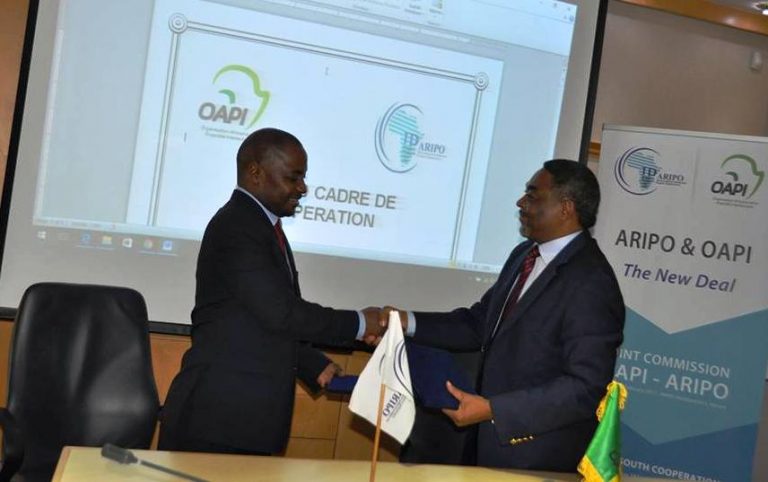
The African Regional Intellectual Property Organization (ARIPO) and its sister organisation, Organisation Africaine de la Propriété Intellectuelle [African Intellectual Property Organization] (OAPI) have signed a memorandum of understanding to harmonise the intellectual property systems of the two institutions.
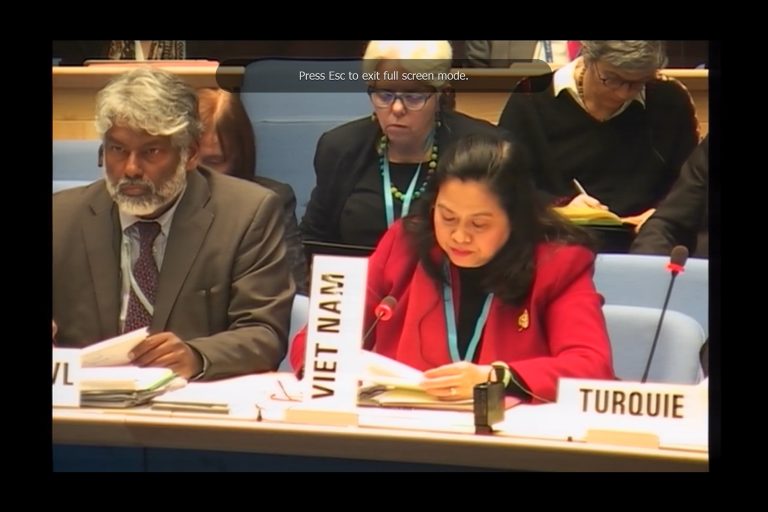
Once considered a breakthrough in negotiations to address problems of making cutting-edge medical products and research available to poor countries, the decade-old World Health Organization Global Strategy and Plan of Action on Public Health, Innovation and Intellectual Property (GSPOA) is now undergoing review, with the WHO Executive Board calling for a report on the initiative and plans for its future next year.

The construction of a new building to host the Global Fund to Fight AIDS, Tuberculosis and Malaria and other key players in the area of global health is well under way in Geneva. The “Campus Santé” (Health Campus) is expected to open its doors at the beginning of 2018. The hosts of the building will be tenants, while the investment costs are borne by Crédit Suisse, a prominent Swiss investment bank.
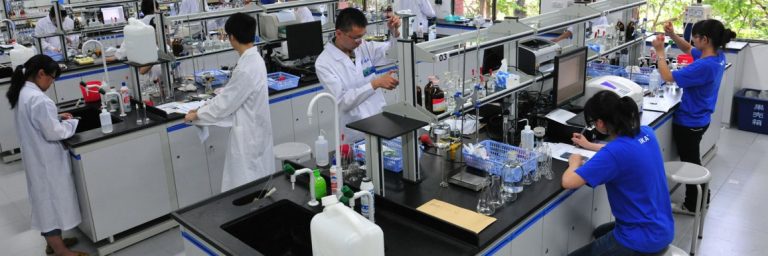
According to a recent circular released by the Chinese ministries of education, and science and technology, universities established by the state have autonomy in technology transfer (see the original news here). Unless the scientific and technological achievements concern national security, national interests, and major public interests, it is unnecessary to report to the ministry of finance or management department. All income gained from the technology transfer belongs to the universities.
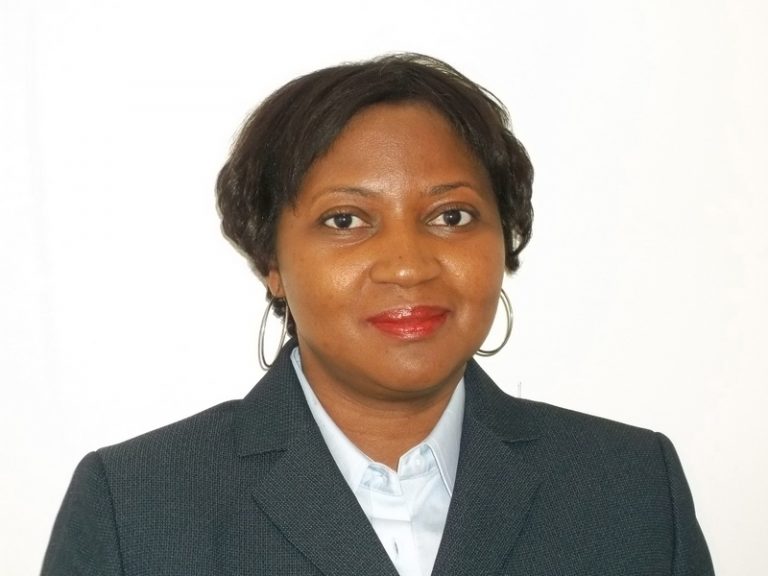
Abiola Inniss writes: The creation of the Caribbean Patent Convention under the auspices of Caricom is a long awaited and most welcome development towards the harmonization of intellectual property laws in the region. Even more importantly, it is an indication that Caricom leadership has at long last, after a lengthy period of stagnation and indeterminacy, finally decided to engage the process of thought and action necessary for the promulgation of a legal and regulatory framework for Caribbean intellectual property. The convention is expected to be enacted later in 2017.
Seeking to address the growing issue of cancer, and in particular the lack of access to diagnosis and treatment in low and middle-income countries, the International Federation of Pharmaceutical Manufacturers & Associations (IFPMA) and the International Atomic Energy Agency (IAEA) have entered into a collaboration.

World Health Organization member states seeking solutions for ensuring medicines access have been looking for ways to get a recent controversial report from the UN headquarters on the WHO agenda. The Executive Board this week heard concerns and left open the possibility that it will come up at the annual World Health Assembly in May.