Category Technical Cooperation/ Technology Transfer

Kenyan Start-Ups Make The Ride Tough For Uber

NAIROBI, Kenya -- After making a dramatic entry into the African market late last year that was marked by as much drama as elsewhere in the world, global taxi hailing service Uber is facing tough times in the Kenyan market, thanks to a number of innovative tech start-ups that are giving the company a run for its money.
UNCTAD’s Work On IP To Continue In Strengthened Four-Year Mandate

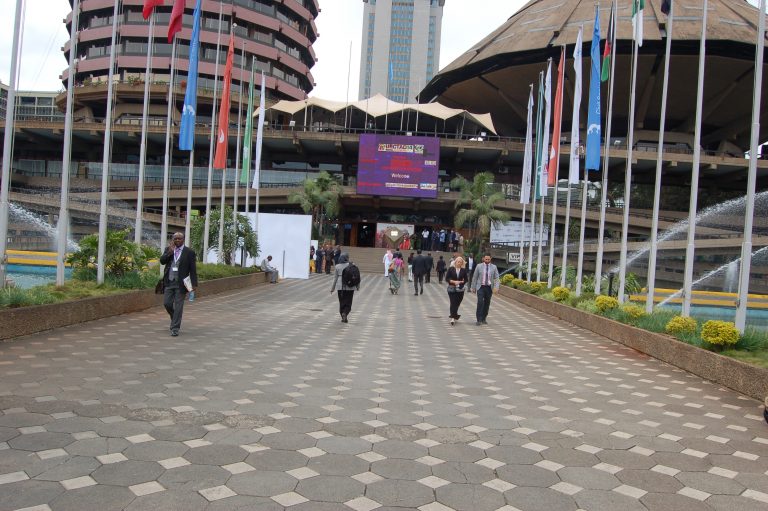
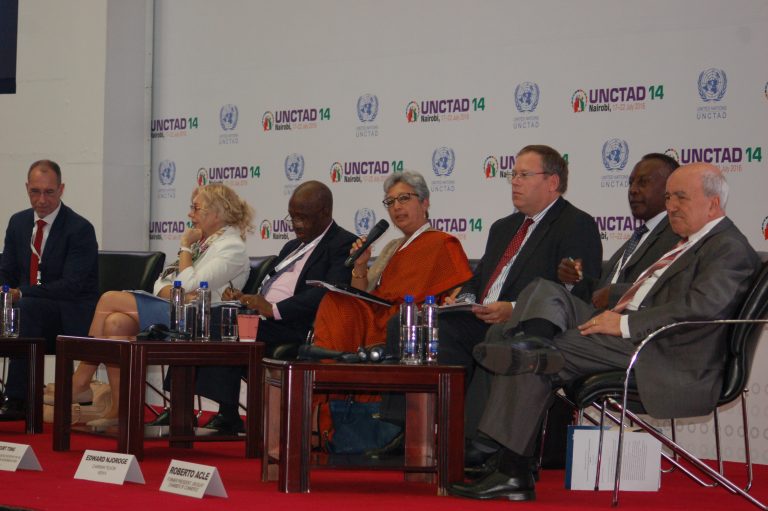
NAIROBI, Kenya (IP-Watch) – Intellectual property rights related to trade and development will continue to be part of the United Nations Conference on Trade and Development (UNCTAD)’s programme work, according to an agreement on the organisation’s four-year mandate reached at the agency’s 14th session in Nairobi.

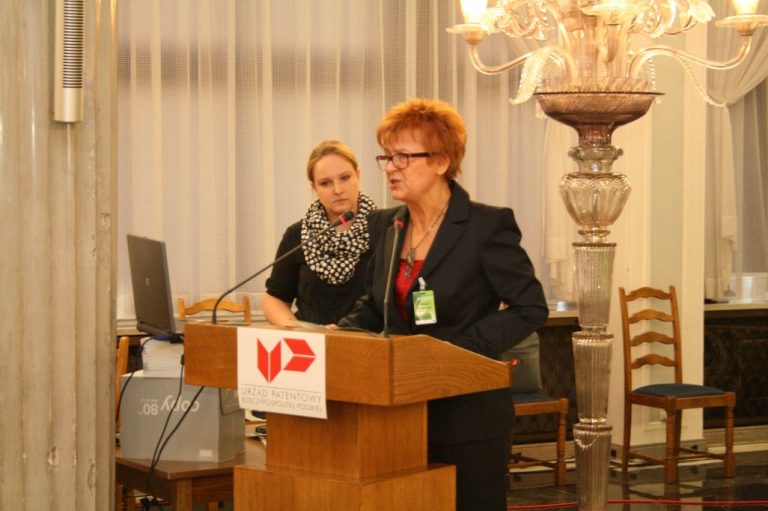
V4 Countries Launch Visegrad Patent Institute As Region’s First ISA, IPEA

With the aim of strengthening regional cooperation in intellectual property, the four member states of the Visegrad Group, which comprises Poland, Hungary, the Czech Republic and Slovakia, launched the Visegrad Patent Institute (VPI) on 1 July. Applicants will be allowed to communicate with the institutions in their respective mother tongues, and fees for Patent Cooperation Treaty (PCT) applications will be reduced by as much as 40 percent, according to Poland’s Patent Office (UPRP).

Trade Experts: Financing Not IP Slows Adoption Of Clean Energy Tech

Constraints on financing, restrictions on services and not so much access to technology emerged as one of the biggest challenges in the innovation, deployment and diffusion of clean energy technologies during an unusual session last week in Geneva which brought together climate scientists and trade policy wonks. Technologists and chemical engineers also came together to discuss how unlocking trade could help clean technologies in the context of the implementation of the Paris agreement on climate change.

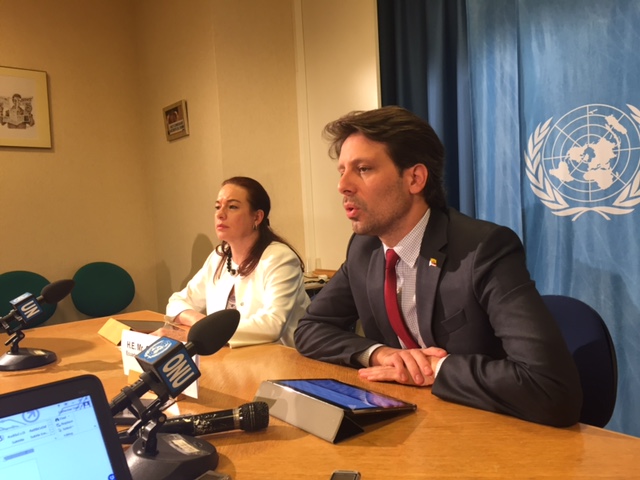
Embassy In London Under Siege, IP A ‘Neo-Liberal Pillar’, Ecuador Minister Says

A top Ecuadoran official said today at the United Nations in Geneva that WikiLeaks founder Julian Assange’s health is deteriorating after four years confined in the Ecuadoran embassy in London, while the United Kingdom and Sweden are ignoring the findings of the UN Working Group on Arbitrary Detention which called for Assange’s release. The Ecuadoran Minister of Foreign Affairs also said Ecuador will carry on issuing compulsory licences for medicines as it sees fit, underlining the increasing role of intellectual property and the greater privatisation of knowledge.