Category Technical Cooperation/ Technology Transfer

Do We Need A Global Body To Set Priorities For Diseases And Research?

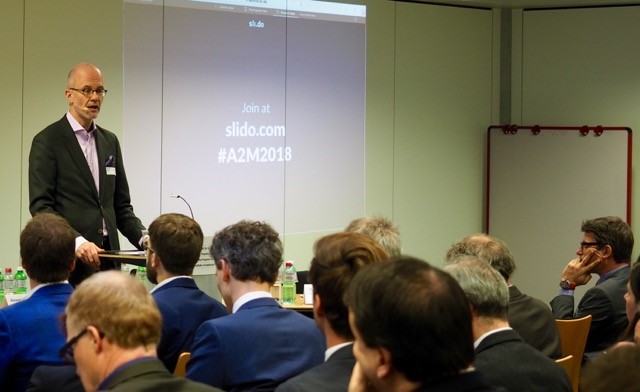
A recent panel of health experts gathered at the hallowed Swiss Intellectual Property Institute in Bern (which counts Albert Einstein among its alumni) tackled some of the toughest questions facing global health policymakers with an eye toward actually solving them and not just restating polarised positions. One of the ideas discussed at the event was how priorities for diseases and research are handled at the global level.

Trump Budget Would Slash Funding For Health, International Organisations

The Trump administration this week proposed drastic cuts in funding for international activities including foreign policy and global health in 2019, while further building up military and big business activities. Programs related to international activities will have to prove their value to American interests and other countries are demanded to pay more, according to the proposed budget sent yesterday to Congress, which is ultimately expected to set about the task of restoring numerous programs.

Call For Applications – African Women Entrepreneurship Cooperative

Are you an African woman entrepreneur seeking to advance your leadership, strategy, and business management skills? Are you interested in connecting with other women business owners from across the continent and being coached by a mentor?

Medicines Innovation And Access: Swiss Stimulate New Thinking

BERN, Switzerland -- What if reaching the United Nations Sustainable Development Goals on access to health for all depended on the willingness of all actors to see beyond outdated dichotomies? The concept may seem obvious, but is easier described than done. In an effort to break silos, the Swiss Federal Institute of Intellectual Property (IPI) brought together stakeholders of all sides last week to discuss how to harness political and economic will to achieve innovation leading to new medicines that are available and affordable for all in need.

WHO Executive Board Adopts Draft Resolution On TB, Stresses Importance Of Resistant TB In Overall Fight Against AMR

Mirza Alas of the intergovernmental South Centre has published an analysis of the World Health Organization Executive Board approval of a draft resolution on actions toward ending tuberculosis and how it relates to antimicrobial resistance (AMR). The opening paragraphs and a link to the original are provided below.

WIPO Traditional Knowledge Division Provides Capacity Building, Publications

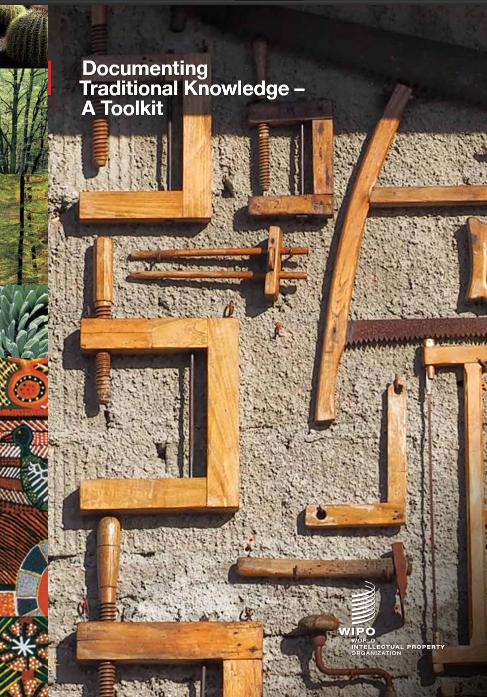
The protection of genetic resources and traditional knowledge through the intellectual property system has been discussed for many years at the World Intellectual Property Organization. While delegates are working on potential international instruments to provide such protection, the WIPO Traditional Knowledge Division is involved in technical assistance and capacity building, providing information and issuing publications.

Snakebite Gets Attention Of WHO Executive Board, Draft Resolution Approved

A resolution to address the issue of snakebites, mainly in developing countries, was met with undisputed approval last week at the World Health Organization Executive Board. Some countries suggested that scorpion bites be mentioned in the resolution, which was deemed premature.

WHO Board Backs Ambitious Work Programme, Sent For Full Membership Approval

The World Health Organization programme of work 2019-2023 is one step closer to being adopted by member states and serving as a guideline for the future vision and mission of the organisation. The Executive Board approved the programme last week and recommended its adoption at the upcoming World Health Assembly. The programme issued by the secretariat in autumn was revised twice, as countries requested amendments.

WHO Antibiotic Resistance Data Shows Worrying Trend; Industry Ready To Help

Today the World Health Organization released its first set of surveillance data on antibiotic resistance. The data shows that resistance to antibiotics is growing among the world's most common bacteria, in both high- and low-income countries. Industry announced that it is in the process of making its surveillance data available.