Category Technical Cooperation/ Technology Transfer

WHO Board Backs Ambitious Work Programme, Sent For Full Membership Approval

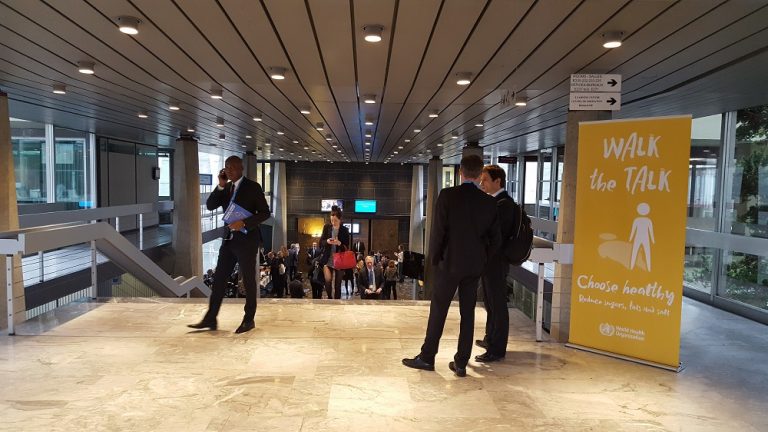
The World Health Organization programme of work 2019-2023 is one step closer to being adopted by member states and serving as a guideline for the future vision and mission of the organisation. The Executive Board approved the programme last week and recommended its adoption at the upcoming World Health Assembly. The programme issued by the secretariat in autumn was revised twice, as countries requested amendments.
Importance Of Flu Pandemic Preparedness Confirmed By WHO Board Decision

One hundred years after the great Spanish flu pandemic, World Health Organization members today underlined their satisfaction with the organisation’s framework to get countries best prepared for the next pandemic: The WHO Executive Board agreed on keeping most of the funds coming to the framework for preparedness measures, and a smaller portion for response measures, unless emergency strikes.

WHO Executive Board Agrees On Actions To Boost R&D, Access To Medicines

After long deliberations, the World Health Organization Executive Board agreed this morning to ask member states and the organisation to implement recommendations aiming at improving innovation and access to medicines. Three recommendations, specifically aimed at member states, including on the transparency on the cost of research and development of medicines, met resistance by some countries and were left hanging, to be discussed by member states with no timeframe.

CBD Issues Study On Challenges For Benefit-Sharing Of Digital Genetic Information

The UN Convention on Biological Diversity has issued the results of a fact-finding study on genetic resources digital genetic information. The study particularly examined terminology and how digital genetic information are influencing its protocol on access and benefit sharing of genetic resources. The study called for policymakers to stay abreast of the profound developments shaping research today, and underlined challenges such as the identification of contributors and users, the provenance of sequences, and what the study defined as a "grey area" between non-commercial and commercial research.

New Text Shows Progress Of Negotiation On IP And Access At WHO

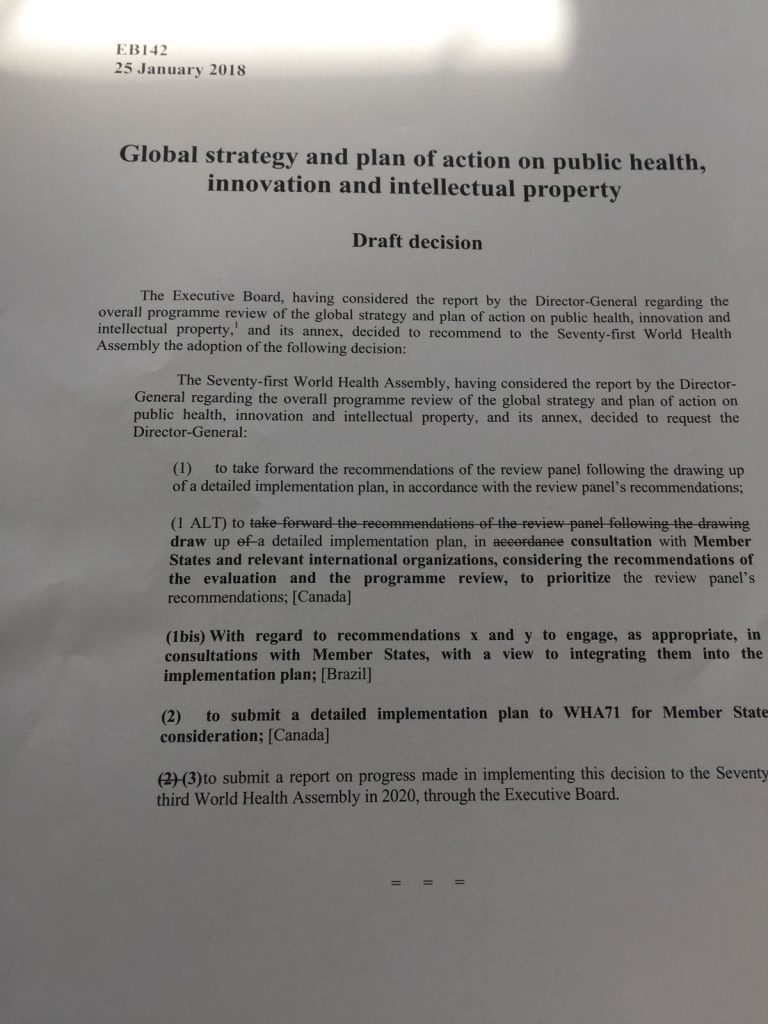
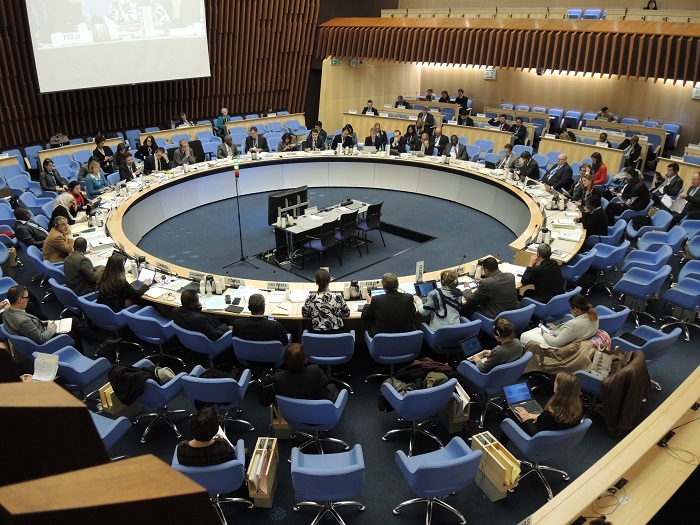
The Brazilian ambassador and others this morning at the World Health Organization Executive Board meeting were not going to let go of what seemed to be a delaying tactic by the United States and Japan to postpone agreement on the implementation of measures aimed at facilitating research and development and access to medicines. The WHO Board today is considering a set of streamlined strategic measures on public health, innovation, and intellectual property.

WHO Members Set To Debate Transparency Of R&D Costs

World Health Organization Executive Board members and observer countries today are preparing to discuss recommendations on ways to lower prices and make medicines more accessible. This includes a new proposal to increase transparency in research and development costs that is reportedly causing concern among some developed countries.

Heading Off Global Action On Access To Medicines In 2018

At the dawn of 2018, political and health leaders must seize the growing momentum and opportunities to tackle the protracted challenges of access to medicines that undermines efforts to save lives and improve health as committed under the Agenda 2030 SDG [Sustainable Development Goals] by all UN member states, write Jorge Bermudez and Viroj Tangcharoensathien.

Guide To The WHO Executive Board: Access To Medicines, Noncommunicable Diseases, Non-State Actors

The World Health Organization Executive Board meets next week. On the agenda are recommendations of a review group on the WHO Global Strategy on Public Health, Innovation and Intellectual Property, and WHO proposed actions to increase access to affordable and safe medicines and diagnosis. The Executive Board is also expected to consider a report on noncommunicable diseases, new possible organisations to enter into official relationships with WHO, and how to address the global burden of snakebites, including access to treatment.