Category Technical Cooperation/ Technology Transfer

Chinese IP Officials Complete Study Of UK, European IP Law
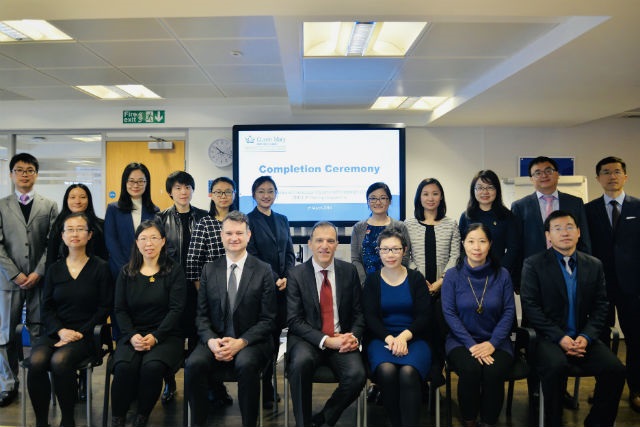
A cohort of senior Chinese officials from the China National Intellectual Property Administration (CNIPA) has graduated from a four-month training programme at the Intellectual Property Research Institute of Queen Mary University of London.
ASEAN IP Offices Discuss Regional Trademark System

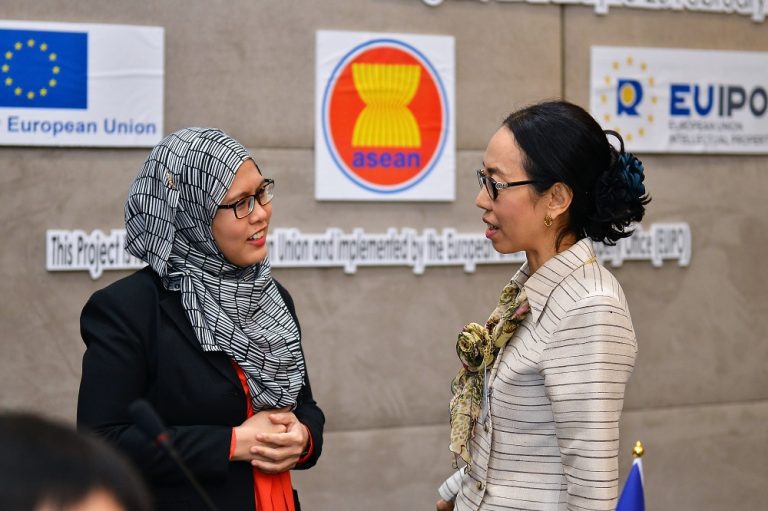
The national intellectual property offices of the 10-member Association of Southeast Asian Nations (ASEAN) this week advanced work on developing a regional trademark registration system, according to European Union sources working with them.

WTO IP Council: Praise For Public-Private Partnerships, Use Of Competition Law To Fight High Drug Prices

At the World Trade Organization Council for Trade-Related Aspects of Intellectual Property Rights (TRIPS) - which met on 13 February and finished in one day - discussions on IP and innovation, and IP and the public interest delineated points of views but also provided concrete examples of successful use of public-private partnerships, and use of competition law to prevent excessive pricing.

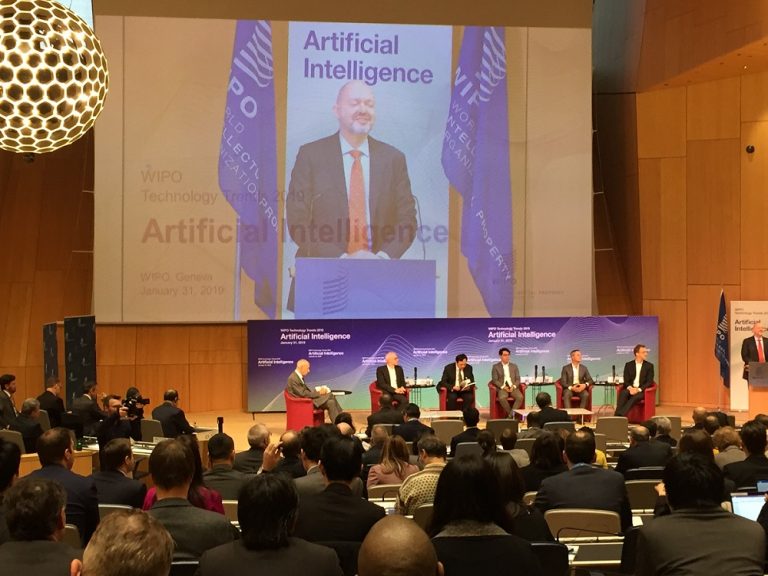
WIPO Event: AI On All Fronts – Health, Cities, Agriculture – But Investment Needed; Europe Lagging

Artificial intelligence is with us to stay, and you can expect solutions to great challenges, but governments should be prepared to invest in education and research to keep up with the two global leaders of the field: the United States and China. This is in essence what several speakers said recently at an event held at the World Intellectual Property Organization.

TRIPS Council To Look At IP And The Public Interest, Business Interest

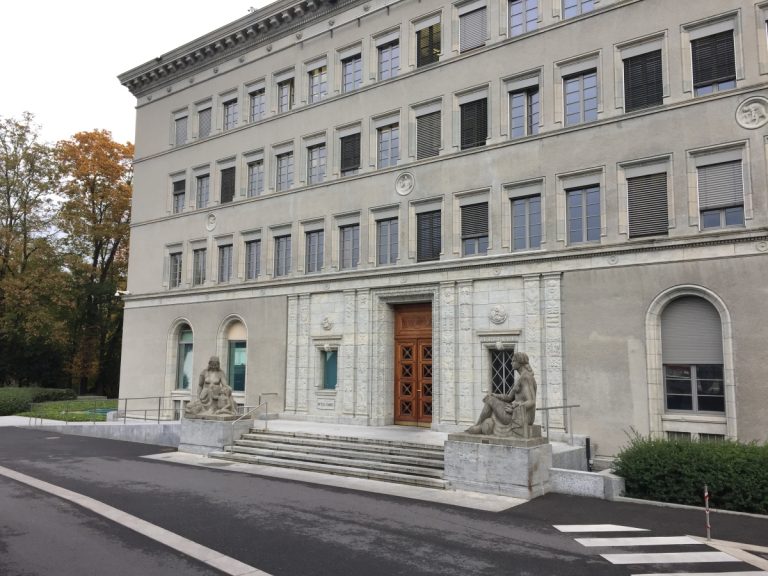
The World Trade Organization is the prime gathering point for the world's governments to discuss and negotiate on policies of the day. A decades-long swinging pendulum within the WTO's committee on trade and intellectual property is IP's contribution to innovation and economy and its contribution to the public interest. At its meeting this week, the committee will feature discussions on both.

Board Debates Medicines Access; WHO Asserts Mandate On IP, Trade Issues

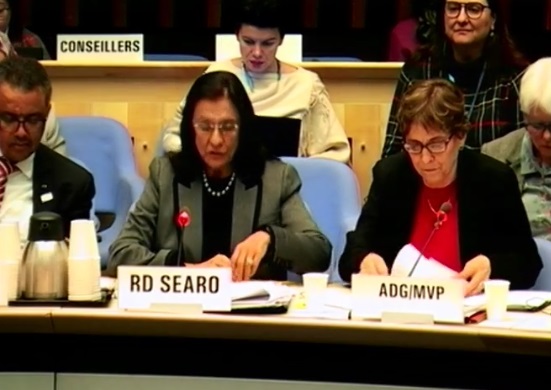
Shortages, faulty supply chains, unbearable prices, weak health systems - the issue of access to medicines is multifaceted and gave way to a long list of interventions yesterday at the World Health Organization. Challenged on its mandate to address intellectual property and trade issues, WHO Director General Tedros Adhanom Gheyebresus (Dr Tedros) confirmed that WHO’s mandate includes work with partners on those issues. Discussions also included fair pricing and transparency, for which Italy called for a resolution at the next World Health Assembly.

Measuring Outputs Seen As Key To WHO Transformation

Measurable outputs are a key element of the World Health Organization transformation and its “triple billion” target. Last week, WHO Executive Board discussed the Impact Framework, a key measurement system. Board members asked clarifications on indicators and underlined the challenge of data collection in many countries. A consultation with country experts is expected to be held before the May World Health Assembly.

WHO Draft Resolution On Universal Health Coverage Shows Efforts At Consensus

With half the world’s population still lacking access to essential health services, World Health Organization Executive Board members this week are working to agree on a resolution indicating ways through which this situation can be alleviated. Discussions are going on outside plenary room as delegates seek agreement on a draft resolution.

US Complaints About Technology Transfer In China: Negotiating The Endgame

Dean Pinkert writes: The United States Trade Representative (USTR) has been open about its view of the difficulties faced by US companies who claim – generally anonymously – that they have been forced to transfer technology to Chinese entities: “The fact that China systematically implements its technology transfer regime in informal and indirect ways makes it ‘just as effective [as written requirements], but almost impossible to prosecute.’” As I explain in this article, I believe such informality is not merely a barrier to prosecutions; it also presents conceptual challenges for US trade negotiators as they attempt to craft effective means to address the concerns of US companies doing business in China.

Supporting UHC And Better Explaining IP – The 2019 Pharma Industry Agenda

In 2019, IFPMA work will continue to focus on constructive engagement in supporting UHC and working with others to strengthen health care systems. The association will continue to engage with a range of stakeholders, particularly multilateral organizations, to better explain the benefits of IP and exchange ideas to address issues of coverage, capacity, affordability and sustainability of healthcare.