Category New Technologies

Everything Is Obvious

Ryan Abbott writes: For more than sixty years, “obviousness” has set the bar for patentability.  Under this standard, if a hypothetical “person having ordinary skill in the art” would find an invention obvious in light of existing relevant information, then the invention cannot be patented.  This skilled person is defined as a non-innovative worker with a limited knowledge-base.  The more creative and informed the skilled person, the more likely an invention will be considered obvious.  The standard has evolved since its introduction, and it is now on the verge of an evolutionary leap: Inventive machines are increasingly being used in research, and once the use of such machines becomes standard, the person skilled in the art should be a person using an inventive machine, or just an inventive machine.  Unlike the skilled person, the inventive machine is capable of innovation and considering the entire universe of prior art.  As inventive machines continue to improve, this will increasingly raise the bar to patentability, eventually rendering innovative activities obvious.  The end of obviousness means the end of patents, at least as they are now.

Innovation And Regulation Of Gene-Edited Vegetables: An Interview With IP Lawyer Chris Holly

Chris Holly is a practicing intellectual property lawyer with extensive experience helping clients leverage IP portfolios in the agriculture, food, microbiology and biotechnology industries. Intellectual Property Watch's David Branigan interviewed Holly to gain his perspective on the technological, regulatory and intellectual property considerations of next generation plant breeding techniques, in particular those that involve gene editing using CRISPR technology.

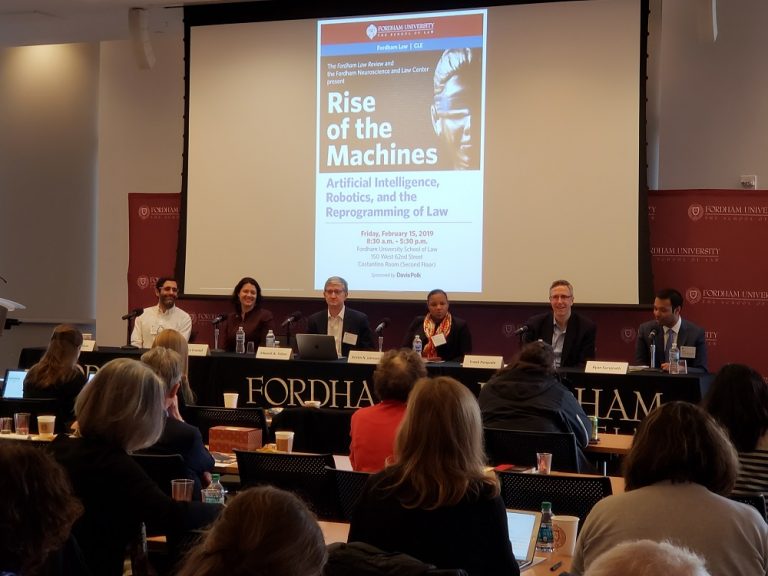
Rise Of The Machines: Experts Look At AI, Robotics And The Law

NEW YORK -- Artificial intelligence, robots, and the law, are all changing a rapid pace. A panel of experts at a recent event at Fordham Law School discussed latest developments and signs of the limits of the law when applied to AI areas like facial recognition, automated weapons systems, and financial technology.

California Startup Brainbase Building Breakthrough Online IP Licensing Platform

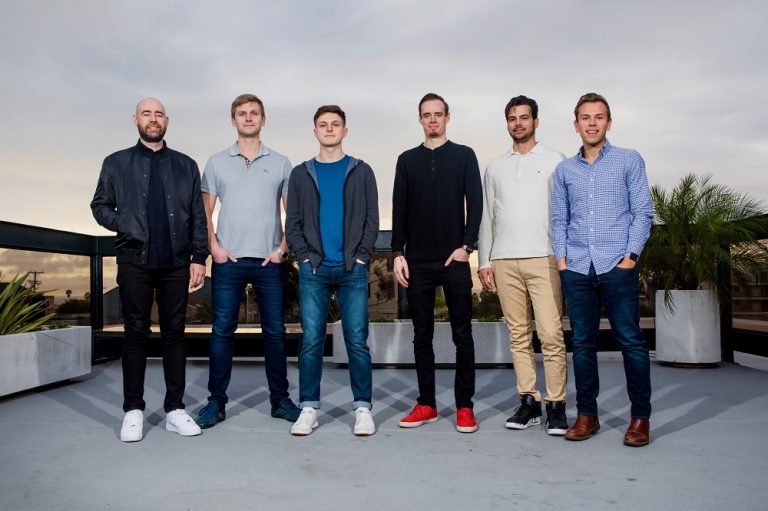
Brainbase, a California tech startup with a team in Estonia, has received US$1M in seed funding to build an "end-to-end product ecosystem for intellectual property licensing" that could change the way businesses manage and licence their brands worldwide. The investment is an indication of dynamic evolution in the IP sector as it takes advantage of latest technologies and the talents of innovators.

EU Members Adopt Plan To Make Europe A Leader In Artificial Intelligence

The European Council of member states has adopted an all-encompassing plan to make Europe a global leader in artificial intelligence and integrate AI into all aspects of regional life. The plan, which comes as Europe has been identified as lagging in AI research and investment behind the United States and China, includes strong calls to ramp up investment while carefully considering AI's impact on labour and ethics.

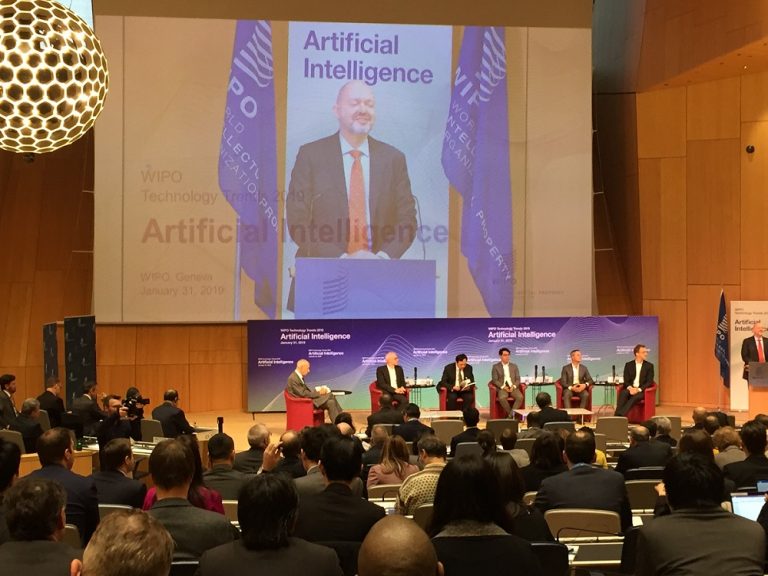
WIPO Event: AI On All Fronts – Health, Cities, Agriculture – But Investment Needed; Europe Lagging

Artificial intelligence is with us to stay, and you can expect solutions to great challenges, but governments should be prepared to invest in education and research to keep up with the two global leaders of the field: the United States and China. This is in essence what several speakers said recently at an event held at the World Intellectual Property Organization.

WHO Board Sceptical On Changes To Global Flu Framework, Sends Issue To WHA

The World Health Organization Executive Board last week remained uncertain on the way forward on questions of access to influenza viruses as countries are increasingly implementing an international protocol regulating the sharing of genetic resources. The Board requested informal discussions be held in the lead-up to the annual World Health Assembly in May.

US Congressional Watchdog Launches Team For Sci/Tech Analysis

A new chapter begins. The business of technology and science has been, and will increasingly be, the business of government: with this in mind, the US Government Accountability Office (GAO) has launched a new Science, Technology Assessment and Analytics (STTA) team with the aim to expand the support to lawmakers on topics whose importance has exponentially increased in the world of today.

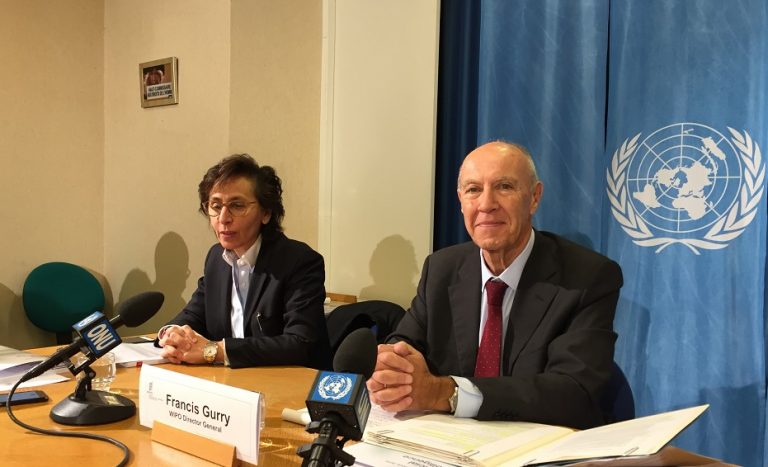
WIPO Sheds Light On Artificial Intelligence Patenting Trends In New Report

The World Intellectual Property Organization today released its first report on artificial intelligence showing a sharp rise in patenting activities over the last few years. WIPO Director General Francis Gurry called artificial intelligence a “game changer” during a press briefing yesterday and said WIPO hopes to spark a conversation on the issue among its member states this year. As in most other fields, leading patent offices are the United States and China.