Category IP Law

Custom Built Software And The IP Law – What You Need To Know

The practice of building custom software is alive and well despite the emergence of tons of ready to use offline and online business apps. Businesses build custom software for various reasons. Some are unsatisfied by solutions available on the market, others need very specific features or overall functionality, security and privacy concerns are another major driver of tailored software development. The process of building custom software involves five basic stages, if you stick to traditional software development workflow, or an indefinite number of iterations under agile development method. Both approaches, however, include various scenarios in which intellectual property rights are involved, writes Jorge Sagastume.
WIPO, Pharma Join Forces To Set Up Database For Medicine Procurers

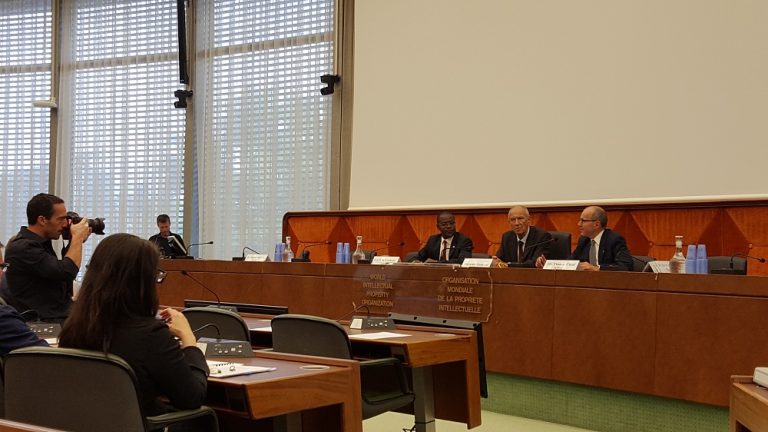
Today WIPO Director General Francis Gurry and Thomas Cueni, Director General of the International Federation of Pharmaceutical Manufacturers and Associations (IFPMA), signed an agreement establishing the Patent Information Initiative for Medicines, or “Pat-INFORMED,” during the General Assemblies of the Member States of WIPO taking place this week. IFPMA worked with Intellectual Property Watch to prepare a Q&A with Mr Gurry and Mr Cueni about this new initiative.

US Misrepresentations Called Out By Antigua In Online Gambling Case At WTO

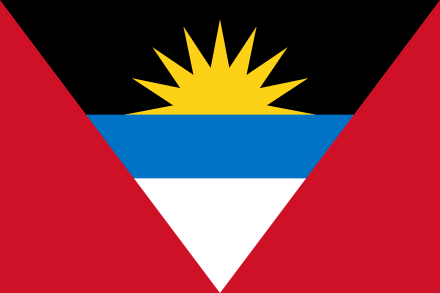
The tiny Caribbean country of Antigua and Barbuda today at the World Trade Organization gave an account of misrepresentations by the United States in its failure to fulfil a WTO dispute settlement panel's finding that the US owes Antigua for US measures against online gambling that harmed the island's economy. The United States now owes Antigua some $200 million in damages, and has offered only about $2 million. Now Antigua will formally request negotiations with the US trade office. At stake is Antigua's authorisation by the WTO panel to recover its damages by failing to protect US intellectual property rights there, which it again reluctantly threatened to do if there is no resolution.

The Consequences Of Killing USPTO Patent Reviews

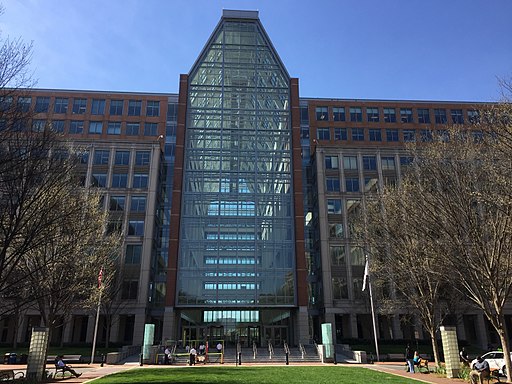
Does the US Constitution prohibit the USPTO from striking down issued patents? That question will be decided by the US Supreme Court later this term. Should the Court rule against the USPTO, it would dramatically alter the US patent system in favor of patentees, give a big boost to patent trolls, and damage innovation in the US. The ruling also would make the US an outlier among major industrialized countries – turning it into the only such nation where patents could not be challenged in administrative proceedings.

Case Shows European Luxury Brands Must Be Popular In Japan To Be Protected There

In a recent decision, the Opposition Board of the Japan Patent Office dismissed an opposition filed by CFUB Sisley, a French producer of cosmetics and fragrances founded in 1976, against the word mark “SISLOY” written in a standard character. The case shows that the status of European luxury brand will not automatically enjoy broader scope of protection in Japan unless the brand obtains a high degree of popularity and reputation among Japanese consumers, writes Masaki Mikami.

How USPTO Patent Reviews Became Imperiled

Initially, the lawsuit was widely viewed as a waste of time. The suit asserted a strained legal argument that already had been rejected twice by federal appellate panels, in 1985 and 1992. Yet this lawsuit, Oil States Energy Services v. Greene’s Energy Group, has now reached the US Supreme Court. So later this term, the high court will decide whether the US Constitution prevents the US Patent and Trademark Office from ever striking down issued patents.

Panel Debates Potential Impact Of Reversal Of US Administration Patent Review

The United States Supreme Court recently agreed to hear arguments in Oil States Energy Services v. Greene’s Energy Group, a case involving a patent on a device used for hydraulic fracturing (fracking). After the patent was granted, Greene’s petitioned for, and was granted, an “inter partes review (IPR)” by the US Patent and Trademark Office’s Patent Trial and Appeal Board (PTAB). After losing at the board, Oil States asked the high court to determine that IPR, which is used to analyse the validity of existing patents, is unconstitutional because it takes away private property rights by denying Art. III jury trials.