Category IP Law

US Music Modernization Act Becomes “The Law Of The Land”; A Boost For Songwriter Compensation

The Music Modernization Act, legislation that will transform the music licensing framework in the United States, was signed into law by President Donald Trump during a ceremony at the White House on 11 October that included several artists such as Sam Moore from Sam & Dave, Kid Rock, Mike Love of the Beach Boys and Jeff Baxter of the Doobie Brothers and Steely Dan, among others.

Trade Agreements Making Rules In New Technologies, Territoriality An Issue For IP In Digital Age

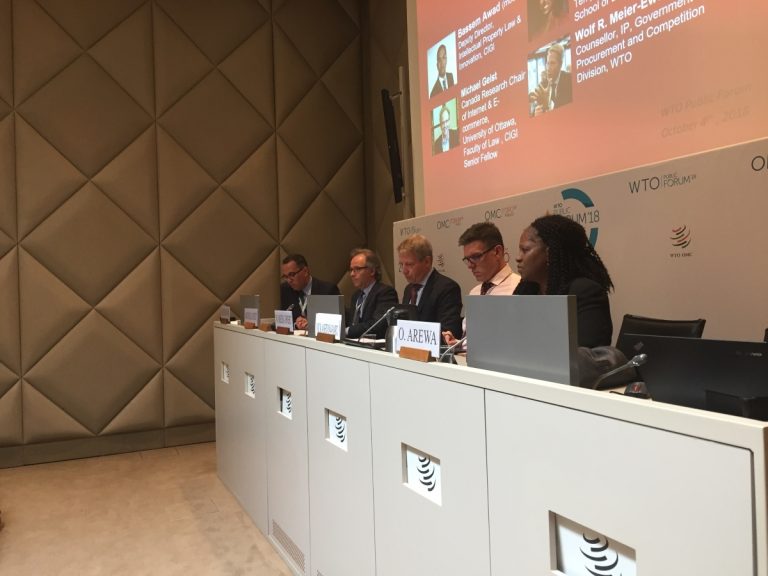
As new technologies have pervaded society, with more to come, policymaking has become a difficult exercise. Rules established before those game-changing technologies might be outdated. A session at the World Trade Organization Public Forum last week looked at how intellectual property rules are faring in the time of digital technologies. Speakers remarked on the role of regional trade agreements in norm-setting, and the growing issue of the territoriality of rights for copyright.

Alternate Dispute Resolution For IP Gains Momentum, Panellists Say At WIPO

Protecting an invention or a creation with intellectual property rights is only truly effective if inventors and creators can enforce those rights. Small and medium sized enterprises find it difficult and costly to go to court to sue potential infringers of their IP rights, and most time, just renounce, according to speakers at a panel on the side of the World Intellectual Property Organization General Assemblies this week. A much cheaper and quicker route than going to court is to seek dispute resolution through a dedicated service, the panellists said.

Interview With The President Of Brazil’s Industrial Property Institute

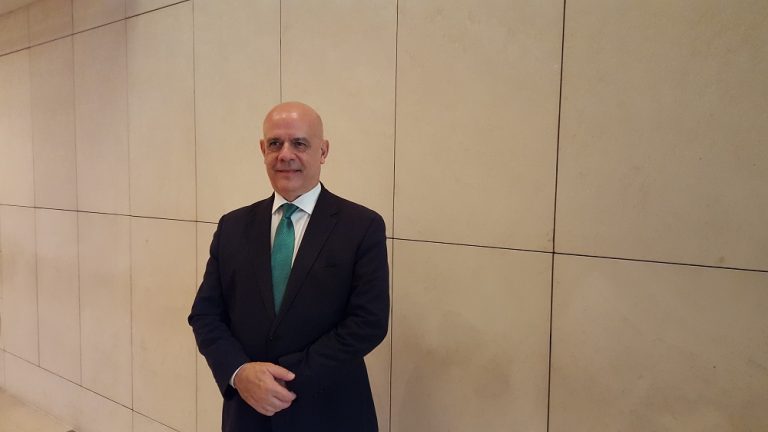
Luiz Otávio Pimentel is president of the National Institute of Industrial Property (INPI) of Brazil. In Geneva this week for the annual World Intellectual Property Organization General Assemblies he took time to sit down with Intellectual Property Watch’s William New. INPI is part of the Ministry of Industry, Foreign Trade and Services. On a breaking issue, Pimentel talked about the case in Brazil involving sofosbuvir, marketed as Sovaldi, Gilead’s effective medicine against hepatitis C that has been known for its exorbitant prices.

Why Follow-On Pharmaceutical Innovations Should Be Eligible For Patent Protection

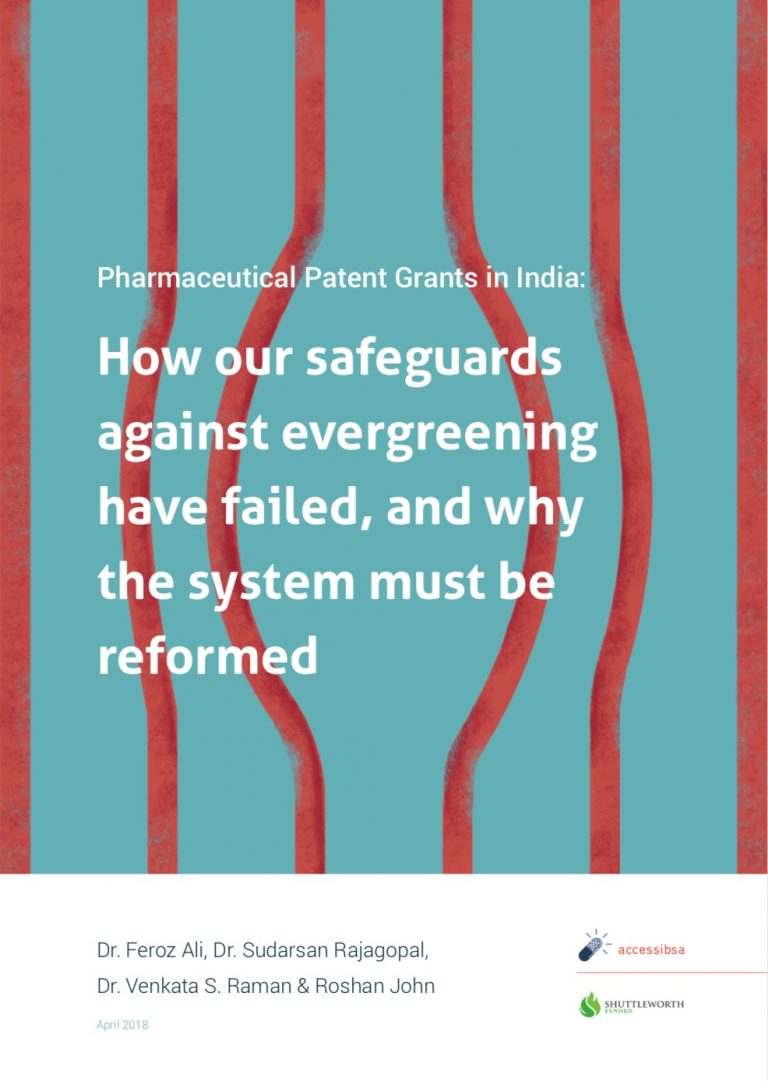
Christopher M. Holman writes: Despite the important role of intellectual property rights in incentivizing innovation, the patenting of pharmaceutical innovation is frequently accused of impeding access to medicine. Criticism of the prevailing patent regime has focused in particular on patents directed towards follow-on pharmaceutical innovation, i.e., innovation that seeks to improve upon existing pharmaceuticals and their use in treating patients. Patents on follow-on innovation are often derided as “secondary” patents, with the implication that the underlying inventions are somehow lesser in nature than the subject matter claimed in “primary” patents, i.e., the drug active ingredient per se. While implicitly acknowledging the legitimacy of primary patents, critics of so-called secondary patents contend that patents on follow-on innovation allow drug innovators to “evergreen” their products, i.e., to extend the period of patent exclusivity beyond the expiration of any original patent on the drug active ingredient, and in doing so contribute to the high cost of drugs, thereby limiting the ability of patients to access the drugs upon which they have come to rely.


EPO Upholds Gilead Patent On Hep C Medicines, But In Amended Form

[Updated] The European Patent Office (EPO) on 13 September ruled in favour of pharmaceutical company Gilead and maintained the company's patent on hepatitis C drug sofosbuvir. The patent, however, is maintained in an amended form. Civil society involved in the case expressed dismay over the outcome and its potential effect on European drug prices.

Brazilian Supreme Court Refuses To Judge Its Biggest Case On IP And Access To Medicines, And Benefits Big Pharma With Undue Monopolies

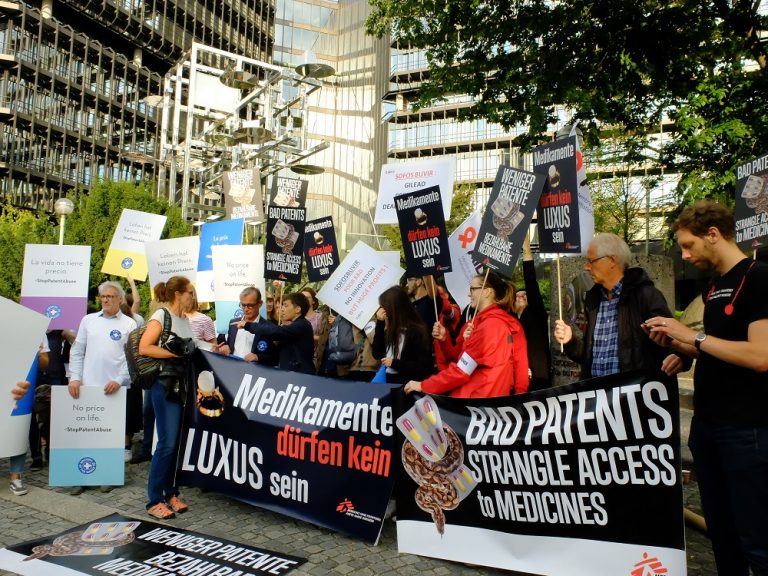
Marcela Fogaça Vieira and Pedro Villardi write: The Brazilian Supreme Court (STF) has mysteriously cancelled the judgment of the most important case regarding intellectual property and health ever to be decided by the court. On 28 June, the date of the judgment was set for 6 September. The cancellation occurred on the eve of the judgment, something very rare in the practice of the Court. The lack of decision on the case only benefits the transnational companies awarded with hundreds of undue monopolies. Just a few days before, the President of the STF - Judge Carmem Lucia - had a meeting with Interfarma, the association of multinational pharmaceutical companies in Brazil.

Study: Generic Drug Industry Embraces Faster, Cheaper Pathway For Challenging Patents

A new study by researchers at the Program On Regulation, Therapeutics, And Law (PORTAL) at Harvard Medical School and Brigham & Women’s Hospital reveals that generic drug companies have been successful about 50% of the time when challenging patents covering FDA-approved pharmaceutical products via a new, administrative review procedure of patent validity created by Congress called “inter partes review.”