Category Innovation/ R&D

50+ US Congress Members Urge Reasonable Licensing Terms For Government-Funded Medical Patents

More than 50 members of the United States Congress today sent a letter urging the US Department of Health and Human Services (HHS) and National Institutes of Health (NIH) to exercise their legal authority to require medical patents that have emerged from government-funded medical research projects to be licensed on reasonable and affordable terms for public use.

US Intellectual Property Law In 2016: A Preview

Familiar intellectual property concerns will continue to vex the United States in the coming year. The scope of patent-eligible subject matter, the requirements for safe-harbor protections against copyright infringement, and the registration of disparaging trademarks will be among the top IP issues to watch in 2016, according to experts.

TPP, India Most-Read IP-Watch Stories Of 2015

The most-read stories of 2015 on the Intellectual Property Watch website fairly reflected the trends of the year, with the Trans-Pacific Partnership (TPP) agreement, India’s evolving intellectual property rights policies, European Patent Office patents on conventional vegetables, biologics, 3D printing, and some pop culture issues leading the way.

In the coming weeks, IP-Watch will review in-depth what’s in store for 2016, already underway. But for now, let’s take a look at last year’s highlights.

Zimbabwe Plans Open Access Policy, Part Of Efforts Across Africa

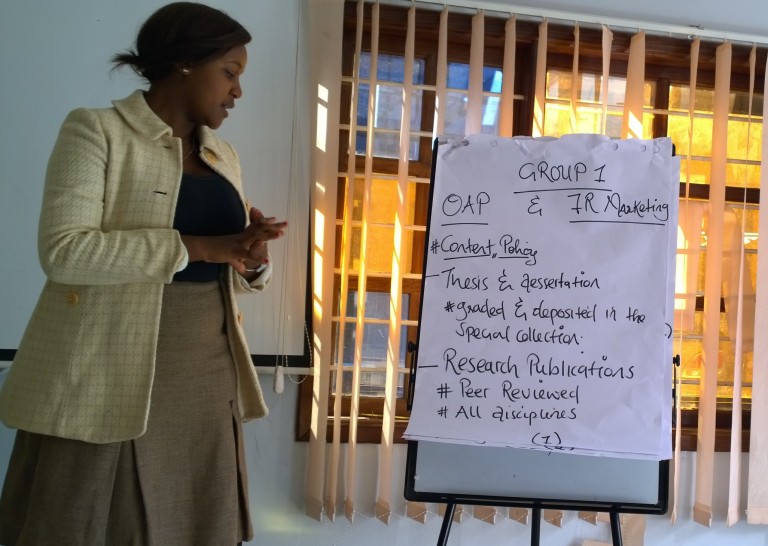
CAPE TOWN, South Africa - Zimbabwe has kicked off a new project to support adoption of research data management and sharing services among government, universities and research institutions as part of its plans to pave the way for a nationwide open access mandate. Meanwhile, similar efforts are appearing across Africa.

University Students Energise Global Campaign For Medical R&D Agreement

The force of hundreds of students worldwide has gathered behind an international effort urging governments to promote research and development in a way that does not result in high-priced medicines. The initiative led by Universities Allied for Essential Medicines (UAEM) seeks to address the longstanding gap in affordable medicines and puts the focus on the World Health Organization, whose members are currently working on this issue.

EU Trade Secrets Deal Wins Wary Support from Industry, Free Speech Advocates

Industry and public interest groups have welcomed the provisional deal by the European Parliament and EU Council on protection of business know-how and trade secrets but say some of its provisions, particularly on protection of whistleblowers who disclose corporate information, remain troublesome.

Brazil, Australia Ratify Marrakesh Treaty For Visually Impaired, Seven To Go

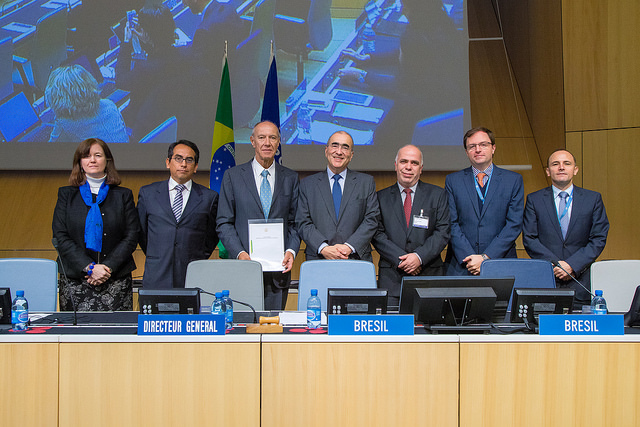
Last week, the World Intellectual Property Organization treaty which is expected to facilitate access to special format works for blind and visually impaired people gained two more ratifications, bringing the accession to the treaty to 13. The treaty will enter into force three months after the accession of the 20th member.

Exceptions To Copyright To Remain On Agenda Of WIPO Copyright Committee

Copyright exceptions for libraries, archives, educational and research institutions and persons with disabilities other than visual impairment will remain on the agenda of the next session of the World Intellectual Property Organization copyright committee. The subject is touchy as developing countries deem those exceptions vital for development and developed countries say that the current global copyright framework leaves enough space for national exceptions to copyright.

UN Launches High-Level Panel On Access To Medicines

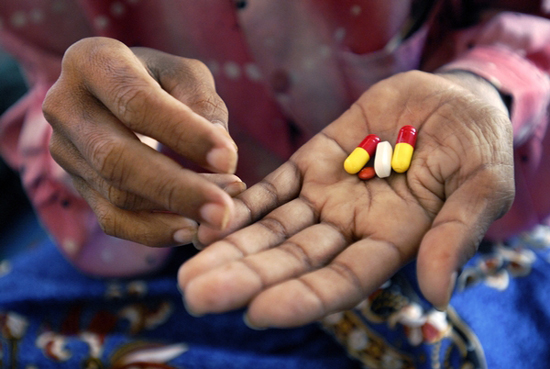
A United Nations high-level panel of experts has set a process in motion to find solutions to increase access to medicines. Following its first meeting last week, the panel will call for proposals to recommend solutions that can promote innovation, but preserve human rights and public health interests.