Category Innovation/ R&D

FTC Recommends Legislative Fixes For Nuisance Patent Lawsuits But Some Question Study

LONDON -- Procedural and substantive legislative reforms are needed to keep nuisance patent infringement lawsuits at bay, the United States Federal Trade Commission said in an October report. The question is whether the size of the study on activities of “patent assertion entities” (PAEs) was large enough to prove there's a problem, say some patent attorneys, including speakers at the 13-14 October London IP Summit.

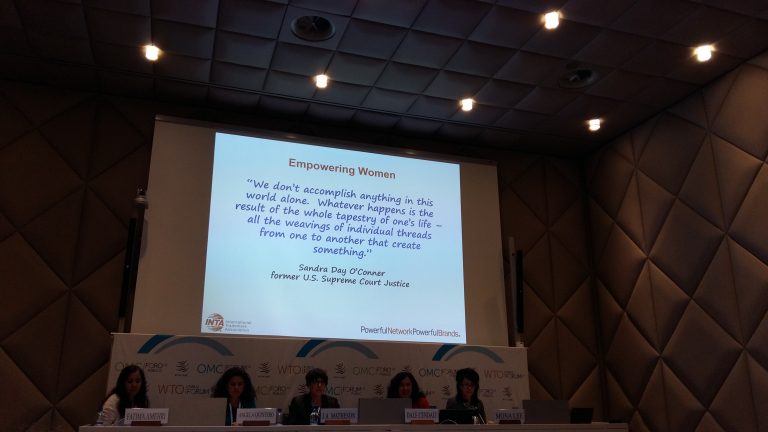
“We Are Here Today To Be Optimistic”: Stories And Advice From Women In IP

Under the banner of “inclusive trade,” last week’s World Trade Organization Public Forum hosted an array of sessions to discuss how a wider range of individuals and businesses can participate in the trading system. One prominent subject of discussion therein is how women can overcome the constraints and obstacles preventing them from accessing and obtaining the benefits of trade, and participate more fully in the field of intellectual property.

Clinical Trial Reporting Biased; Full Disclosure, Transparency Needed, Speakers Say

A conference on clinical drug trials held today shed a harsh light on the availability and honesty of clinical trial reports. Many factors concur to possible distortion of results, speakers said, calling for more stringent obligations to provide all data for analysis. They also noted legislative efforts to tackle the issue. Speakers also pointed out a growing trend for pharmaceutical companies to conduct clinical trials in developing countries.

US Supreme Court To Examine Outsized Infringement Damages

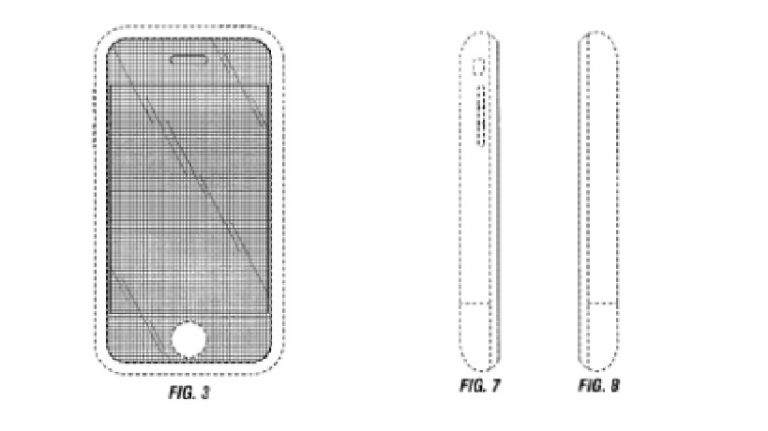
Patent infringers are supposed to pay damages, but the award in this case struck many as ridiculous. Some Samsung smartphones contained one or two purely decorative design elements that had been patented by Apple. But instead of paying modest damages for what many see as a tiny infringement, Samsung was ordered to pay $399 million – all the profits the company had made from its infringing phones. The Federal Circuit said it had no choice but to approve those damages; it was constrained by statute. Critics, however, said that the Federal Circuit had misinterpreted the statute. They fret the court’s error will unleash a wave of design patent infringement suits that will harm innovation, stifle competition, and empower patent trolls. Which is why so many will be paying close attention on 11 October, when this dispute comes before the US Supreme Court.

Panel On The Right To Scientific Progress And Freedom For Scientific Research

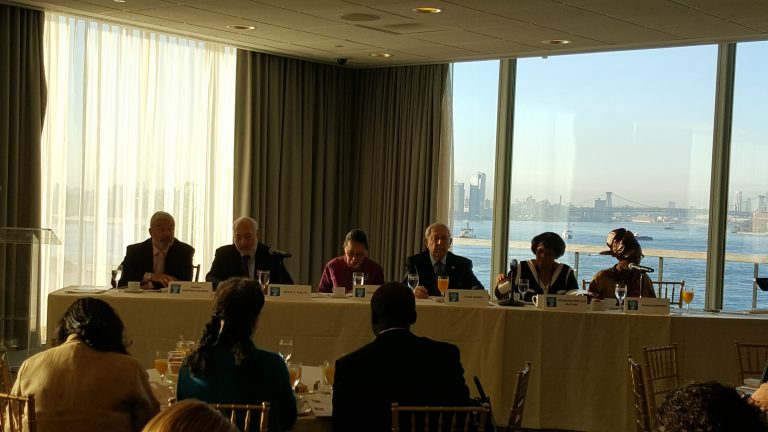
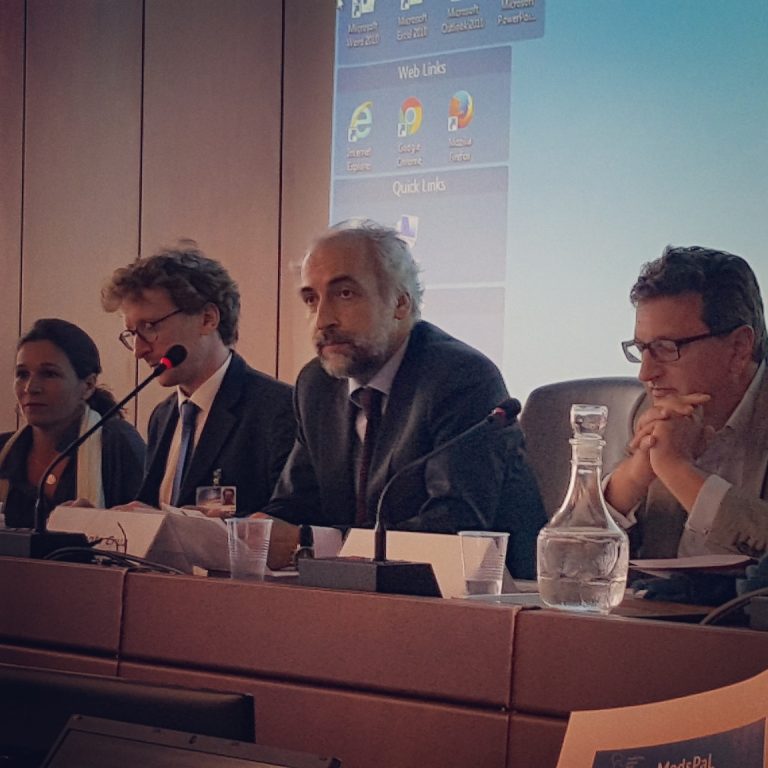
Scientists, national and United Nations representatives, academia and civil society this week explored and elaborated on the right to enjoy scientific progress and the freedom which is indispensable for scientific research. The right was placed in the context of today’s global challenges and scientists presented the latest examples of their research, in which human rights related to freedom of scientific research could be applied. The panel set out promote systematic dialogue to foster an understanding of the right and of what is being advanced.

Despite Ongoing Efforts, USPTO Still Faces Patent Quality Issues

The US Patent and Trademark Office continues to face claims of low patent quality despite a major initiative to address the situation. The agency has been the subject of several critical reports by oversight agencies and recently defended its patent quality improvements before Congress. Patent practitioners say that while patent quality may not actually have worsened over the past few years, the USPTO's ongoing lack of financial and other resources, and inconsistent judicial decisions, are among the factors causing problems.