Category Human Rights

TRIPS Council Debates IP Improving Lives, Competition Law To Increase Medicines Access

Whether intellectual property rights are improving lives or whether they should be reined in by tools such as competition law to increase access to medicine, education, and innovation, was debated this week at the World Trade Organization committee on intellectual property. Also on the agenda was a suggestion by least-developed countries to create incentives for developed country companies and institutions to transfer technologies for the benefit of the poorest countries.
Terminando con el acceso no autorizado a los recursos genéticos (biopiratería): Apertura delimitada

El “acceso a los recursos genéticos” y “la participación justa y equitativa de los beneficios que provienen de su utilización” han atribulado las trece Conferencias de las Partes del Convenio de las Naciones Unidas sobre la Diversidad Biológica(CDB), que entró en vigor en 1993. La expresión entre comillas se conoce por sus siglas en inglés como “ABS”. Es el tercer objetivo del Convenio, entrelazado con los primeros dos, que son la conservación y el uso sostenible. A pesar de 25 años de esfuerzos y una bioeconomía de casi un trillón de dólares, pocos son los contratos de acceso que han sido celebrados. De esos pocos, los beneficios monetarios son tan bajos que las partes contratantes (y otros actores) son reacias a divulgarlos, bajo la excusa de “confidencialidad por sensibilidades comerciales”. La ley brasileña de ABS de 2015, que entró en vigor el 6 de noviembre de 2017 por ejemplo, permite que las regalías de las ventas netas sean tan bajas como la décima parte de uno por ciento. En palabras de un erudito jurista, los Usuarios pagan “una miseria por la biodiversidad”.

Civil Society Issues Call For Action On Draft WIPO Copyright Exceptions

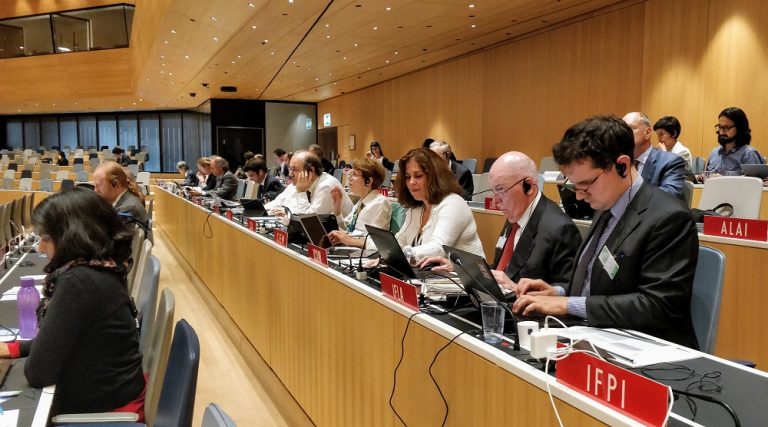
This week the World Intellectual Property Organization copyright committee is looking at exceptions and limitations to copyright. A range of stakeholders with opposing views delivered long statements explaining their positions. Some proponents of mandatory international limitations and exceptions for certain actors cited the United Nations Sustainable Development Goals inscribing equitable quality education as a right. Others, like publishers’ associations, said the current international system provides ample possibilities to devise national exceptions and limitations.

Draft Broadcast Treaty Takes Restrictive Approach To Limitations And Exceptions

Sean Flynn writes: At this week’s meeting of the World Intellectual Property Organization Standing Committee on Copyright and Related Rights, there was renewed attention to the limitations and exceptions provisions of a proposed treaty for broadcast organizations. Unfortunately, the result of that attention was to make the current draft more restrictive for the adoption of exceptions than prior drafts, and more restrictive than are present copyright treaties or the than the Rome Convention the broadcast treaty seeks to update.

G20 Called On To Put People At Centre Of Digital Economy

Some three dozen global civil society groups have called on the G20 countries to set a digital agenda that puts the interests of people and their rights front and centre, in particular on privacy.

Did The WIPO Copyright Committee Just Approve A Group With Mission To Free The World From “Space Lizards’ Control”?

The World Intellectual Property Organization copyright committee this morning started its weeklong meeting by rubber-stamping three nongovernmental organisations as observers, without discussion.

But a look at the website, www.ipcentreug.org, of one of the groups, as provided in the WIPO document as approved, states that the mission of the group is a "global conspiracy investigation institution" whose mission is to "free individuals and organizations from space lizards' control."

Global Health Policymakers Take Action To Improve Access To Assistive Products

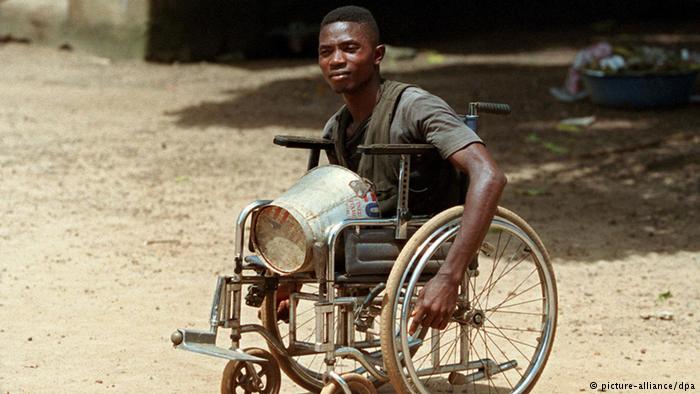
Some 90 percent of people in the world who need assistive technology – such as glasses, walkers, or hearing aids - cannot access it, with the worst deficiency in developing countries. Today, World Health Organization members agreed on a resolution to improve access to those technologies, with overwhelming support. The WHO is instructed to provide support to countries and prepare a global report by 2021. Member states are requested to promote innovation and find ways to reduce prices.

WHA Agrees On Recommendations To Reinvigorate Plan Of Action To Boost R&D, Access

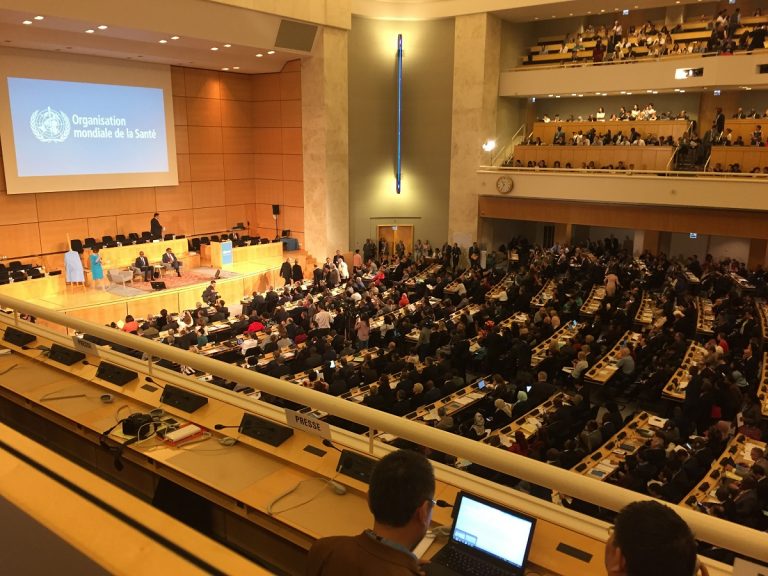
Ten years after the adoption of a World Health Organization plan of action meant to stimulate innovation for diseases that disproportionately affect developing countries, and with very little to show for it since, delegates at the World Health Assembly this week agreed to a number of recommendations to reinvigorate the effort. How to finance the implementation of those recommendations, however, is unclear.

Ingredients For WHO Roadmap On Access To Medicines At Civil Society Side Event

On the side of this week’s World Health Assembly and hours before the Assembly agreed on preparing a roadmap on access to medicines, two civil society groups held an event on the same subject. The Brazilian ambassador, a senior official from the Netherlands, and a WHO assistant director general among others delivered their thoughts on the issue and the way forward. Key words were high prices, transparency, and trade flexibilities.