Category Human Rights

WTO, WHO, WIPO Heads Share Views On Innovation And Access At Trilateral Symposium

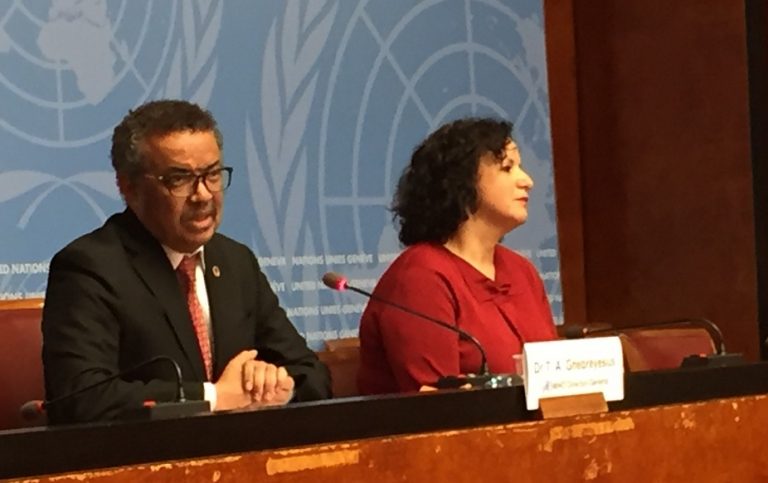
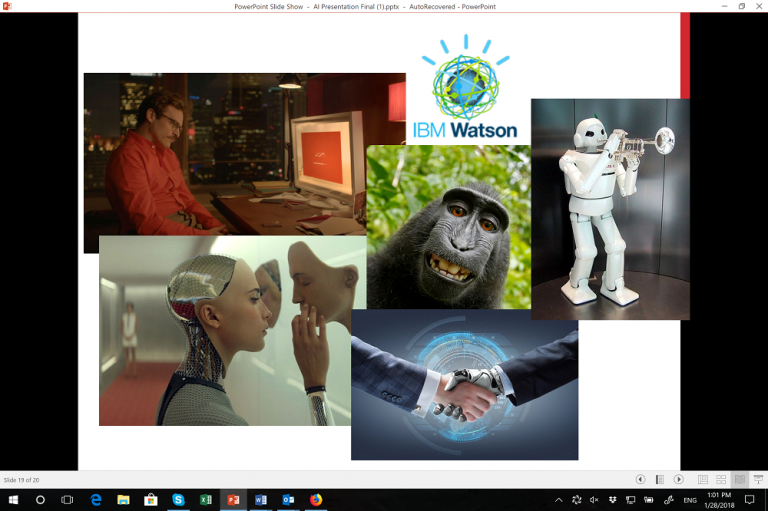
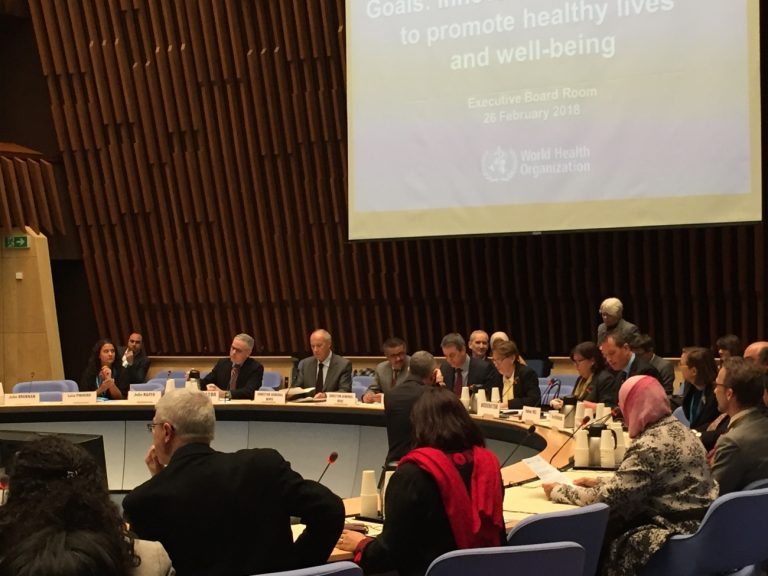
How to encourage health innovations and make sure that new medicines, vaccines, or diagnostics will reach every person who needs them? That is a question which has been hotly debated in different fora. Yesterday, the World Trade Organization, UN World Health Organization, and UN World Intellectual Property Organization jointly held a symposium on how innovative technologies can promote the United Nations Sustainable Development Goals. The WHO director general called on his colleagues to support policies facilitating access to health technologies.
Swiss Panel Looks At Value-Based Drug Pricing, Link Between R&D And Prices

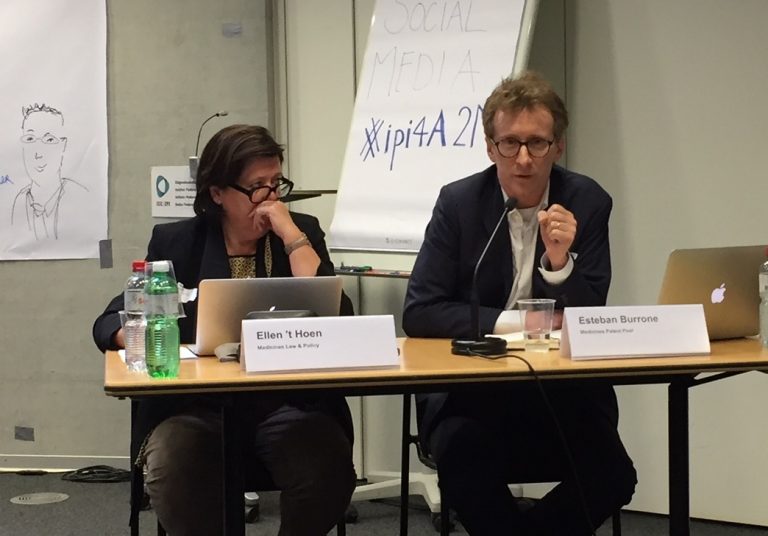
Some products are too cheap, generic drug companies do not invest in them because they do not make enough money out of them. Others seem astronomically expensive, and are said to include the costs of all research, successes and failures alike. Panellists at a recent Swiss-organised expert event in Bern concurred that something must done about pricing, and explored some surprising ways to do it.

Rising Patent Applications – And Challenges – For New Technologies, Artificial Intelligence

The steady increase in innovations relating to new digital technologies, in particular technologies using artificial intelligence, is matched by an upward patenting trend. The European Patent Office recently issued a study on the subject and is preparing a conference in May, while the World Intellectual Property Organization is working on its own in-depth study. However, the current patent system might not be ready for artificial intelligence-related inventions, according to a global standards-setting body.

Indian Pharma Industry Disputes US Industry IP Index

The United States Chamber of Commerce industry group recently issued its annual global IP index, analysing intellectual property protection in 50 countries, as a prelude to the annual US government list of countries seen as not adequately protection US companies' IP rights. Now an Indian industry group has issued a counter-statement to the Chamber index, calling it a "tirade" and "self-serving".

EU Council Clears Way For Ratification Of Marrakesh Treaty For Visually Impaired By Summer

The European Union Council of Ministers today adopted a decision that enables the EU to ratify the Marrakesh Treaty on access to published works for blind and visually impaired readers starting in summer. The copyright exceptions treaty negotiated at the World Intellectual Property Organization and adopted in 2013, went into effect in September 2016 but has been held up in Europe.

Medicines Innovation And Access: Swiss Stimulate New Thinking

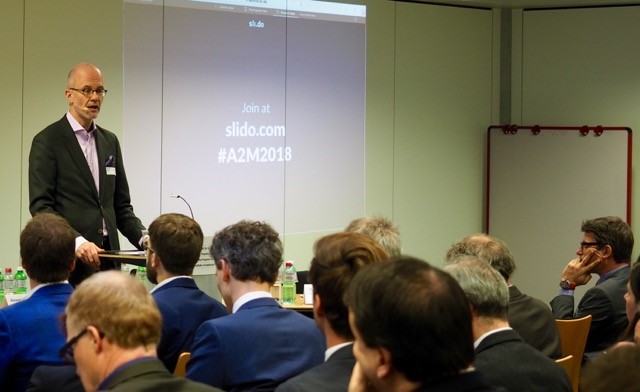
BERN, Switzerland -- What if reaching the United Nations Sustainable Development Goals on access to health for all depended on the willingness of all actors to see beyond outdated dichotomies? The concept may seem obvious, but is easier described than done. In an effort to break silos, the Swiss Federal Institute of Intellectual Property (IPI) brought together stakeholders of all sides last week to discuss how to harness political and economic will to achieve innovation leading to new medicines that are available and affordable for all in need.

Copyright And Artificial Intelligence

Ed Klaris writes: Recently, a photographer whose camera was used by a monkey to take a selfie settled a two-year legal battle against an animal rights group about copyright over the image. The lower court had denied the monkey a copyright, but the photographer did not want to face the appeals court. Whether monkeys can create copyrighted works is not exactly a pressing question for our time. But the important issues raised by this case and others about who owns creative work in an increasingly automated world are crucial to the future of copyright. With the advent of AI software, computers -- not monkeys -- will potentially create millions of original works that may then be protected by copyright, under current law, for more than 100 years.

The Top 5 Issues In EU Medicines Policy For 2018 (Including IP)

Yannis Natsis writes: There is a breakdown in communications between the pharmaceutical industry and Ministers of Health in Europe. The newly-deployed tactic of public, personalised attacks on national decision-makers who express concerns over high prices of medicines, reveal a change in the industry’s lobbying strategy that might damage the relationship irreparably.