Category Human Rights

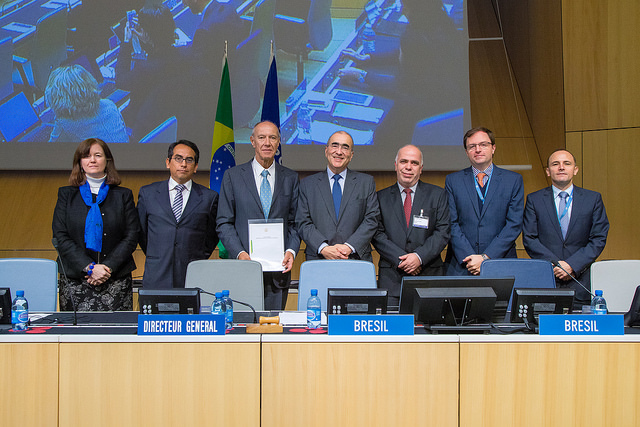
A Look At The Marrakesh Treaty Ratification In Brazil

The Marrakesh Treaty, first of its kind, will enter into force three months after the deposit of the instruments of ratification or accession by 20 eligible countries. So far, thirteen have done so. Brazil, which was one of the main proponents and negotiators, deposited its ratification of the treaty on December 11, 2015, after the yearlong internal legislative process. The key question we are trying to face here is how the ratification of this treaty may impact Brazilian copyright legislation and the interpretation of the limitations.

Council Of Europe Guidelines For Network Neutrality To Protect Freedom Of Expression, Privacy

The Council of Europe (CoE), the intergovernmental regional group that includes the European Union, today called on European governments protect the principle of network neutrality at the national level. The member countries adopted guidelines on protecting and promoting the right…

50+ US Congress Members Urge Reasonable Licensing Terms For Government-Funded Medical Patents

More than 50 members of the United States Congress today sent a letter urging the US Department of Health and Human Services (HHS) and National Institutes of Health (NIH) to exercise their legal authority to require medical patents that have emerged from government-funded medical research projects to be licensed on reasonable and affordable terms for public use.

TPP, India Most-Read IP-Watch Stories Of 2015

The most-read stories of 2015 on the Intellectual Property Watch website fairly reflected the trends of the year, with the Trans-Pacific Partnership (TPP) agreement, India’s evolving intellectual property rights policies, European Patent Office patents on conventional vegetables, biologics, 3D printing, and some pop culture issues leading the way.

In the coming weeks, IP-Watch will review in-depth what’s in store for 2016, already underway. But for now, let’s take a look at last year’s highlights.

University Students Energise Global Campaign For Medical R&D Agreement

The force of hundreds of students worldwide has gathered behind an international effort urging governments to promote research and development in a way that does not result in high-priced medicines. The initiative led by Universities Allied for Essential Medicines (UAEM) seeks to address the longstanding gap in affordable medicines and puts the focus on the World Health Organization, whose members are currently working on this issue.

Brazil, Australia Ratify Marrakesh Treaty For Visually Impaired, Seven To Go

Last week, the World Intellectual Property Organization treaty which is expected to facilitate access to special format works for blind and visually impaired people gained two more ratifications, bringing the accession to the treaty to 13. The treaty will enter into force three months after the accession of the 20th member.

Alongside WTO Ministerial, Officials Stress Gains On TRIPS And Health

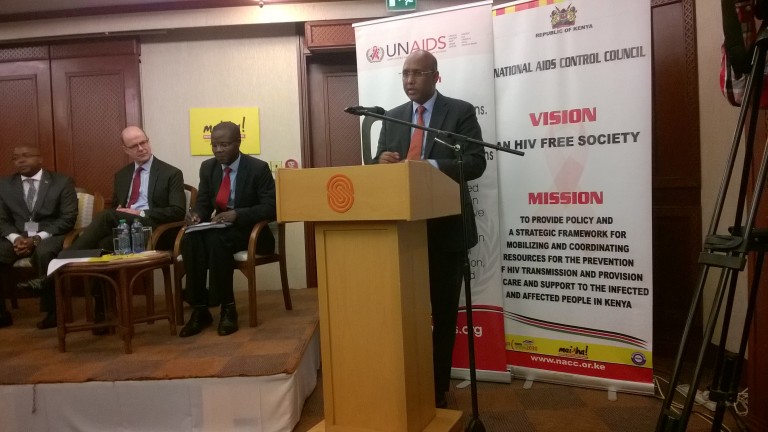
NAIROBI, Kenya -- On the sidelines of the World Trade Organization Ministerial Summit this week in Nairobi, senior officials from the Kenya government, Joint United Nations Programme on HIV/AIDS (UNAIDS), civil society and others discussed a WTO intellectual property rights amendment on public health to better enable poor nations to access essential medicines.

UN Launches High-Level Panel On Access To Medicines

A United Nations high-level panel of experts has set a process in motion to find solutions to increase access to medicines. Following its first meeting last week, the panel will call for proposals to recommend solutions that can promote innovation, but preserve human rights and public health interests.

US Agency Stripped Of Power To Regulate Internet

America’s International Trade Commission is a tempting venue for US intellectual property owners. The agency acts quickly, has a history of supporting IP owners, and offers a powerful means to stop infringing products from entering the US. So when the ITC expanded its jurisdiction last year, claiming the power to stop online infringements, many IP owners cheered. And many internet companies fretted. Until last month, when the Federal Circuit had its say.