Category Human Rights

Plant Variety Protection To Meet Food Security Plant Treaty, But Where Are Farmers’ Rights?
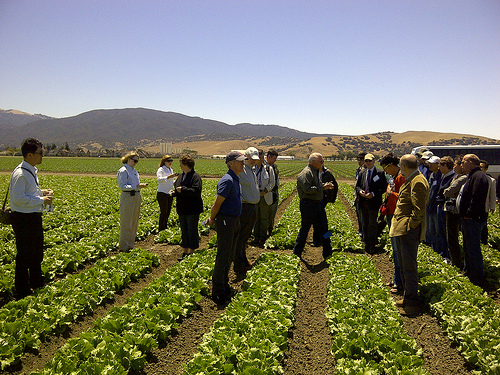
A planned symposium to identify potential interrelations between the International Union for the Protection of New Varieties of Plants (UPOV), and the United Nations International Plant Treaty is raising concerns from civil society about farmers’ rights.
In US, Growing Battle Over Offensive Trademarks

The US Patent and Trademark Office (USPTO) is not admitting defeat. It is still refusing to register trademarks that disparage people, even though this policy violates the First Amendment’s guarantee of free speech, according to a December decision by the Federal Circuit Court of Appeals. The USPTO has appealed the court ruling, and many experts expect the Supreme Court will soon rule on whether there is constitutional protection for disparaging marks. [Updated!]

Leaked IP Chapter Of Asian FTA Reveals Tough Rules For Poorer Partners, Civil Society Says

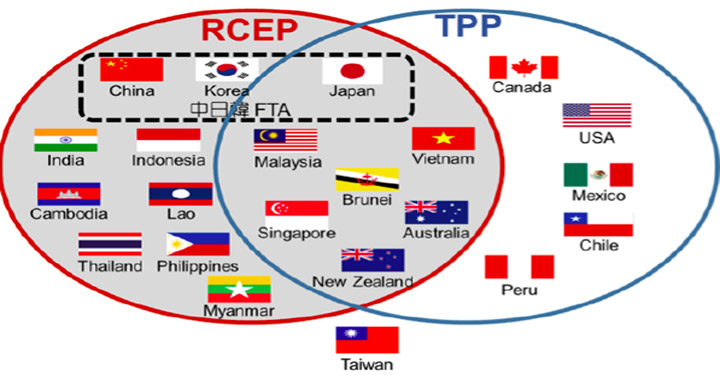
The alleged intellectual property chapter of a secretive regional trade agreement between an association of ten Asian countries plus six others was released yesterday by a civil society group, which says richer countries in the region are pushing for stringent IP rules.

Council Of Europe Internet Governance Strategy 2016-2019 Stresses Human Rights

The Council of Europe, the 47-member intergovernmental group based in Strasbourg, France, this week adopted an internet governance strategy for the next four years, putting particular emphasis on human rights and democracy online. The strategy includes a series of steps and actions.

Synthetic Biology: Is Scientific Progress Outrunning Normative Process? Case Of The CBD

A research group announced in March that it has designed the first minimal synthetic bacterial cell. Rapid advances in science seem to be leaving the international normative process lagging behind. Current international instruments are seeking to understand how this new technology will impact their regulatory efforts, while civil society raises high concerns.

Asian Voices On Access to Medicines: Scrap TRIPS, Voluntary Licences Not Working, FTA Threats

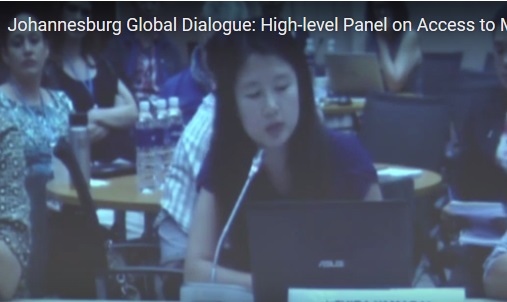
Speakers from Asian civil society provided recommendations to the public hearing of the United Nations Secretary General’s High-Level Panel on Access to Medicines held yesterday. They underlined the unaffordability of medicines in their countries, the inefficiency of current mechanisms such as voluntary licensing, and the pressure applied by pharmaceutical companies and the United States and Europe to prevent the use of compulsory licences. One speaker warned against the expert advice given by the World Intellectual Property Organization to least-developed countries, while others pointed to stringent intellectual property measures in free-trade agreements.

US Senators Release Public Comments On Sovaldi Report

Two key senators today released dozens of comments they received in response to their report on the medicine Sovaldi (and its follow-on Harvoni), whose extreme high prices sparked a debate over pharmaceutical pricing that has created momentum for policy changes.

High-Level UN Initiative On Global Public Health Gap Holds Landmark Hearing

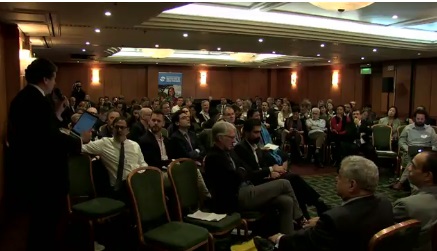
An initiative of the United Nations secretary general yesterday gathered what could be described as an assembly of many of the world’s best thinkers and practitioners on public health and intellectual property rights. Industry, activists, academics, international organisations, and possibly some governments poured out their views for nearly seven hours – at times coming to tears and tension – shepherded by an astute moderator, as they responded to the call to take a longstanding debate on medicines access and high prices to a breakthrough.

Civil Society Concerns Over US Health Service Plan To Give Exclusive Patent Rights To Sanofi

The United States National Institutes of Health’s decision to consider granting an exclusive licence on patents for a newly government-developed vaccine to Sanofi has prompted a strong reaction from civil society warning against potential high prices and requesting transparency in the process.