Category Human Rights

Resolution On Compulsory Licences For Patented Medicines Passes In Chile
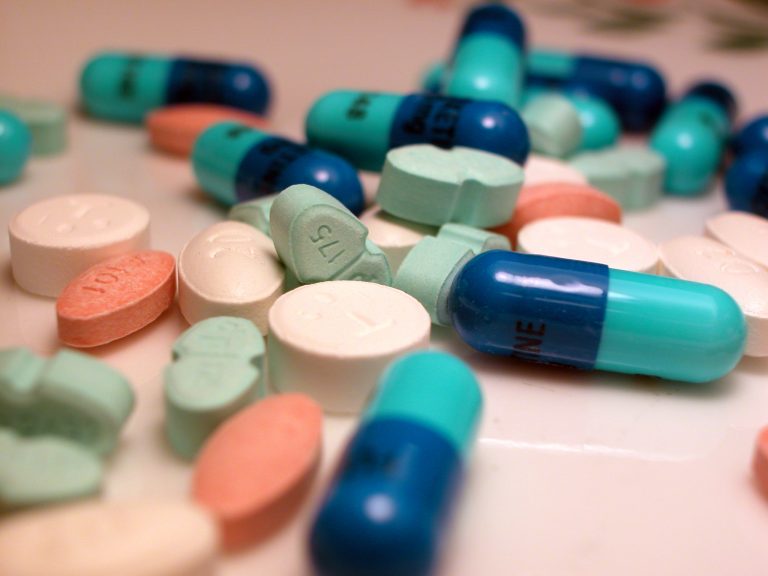
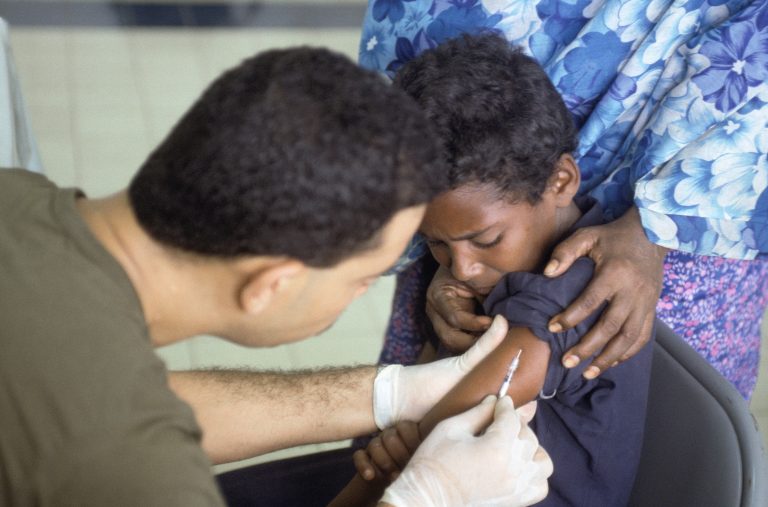
A resolution has been passed by Chile’s Chamber of Deputies, a branch of its National Congress, to encourage the use of compulsory licences to import generic versions of a patented drug when necessary to protect and promote the health of the population.
US Could Agree To Slight Funding Increase At WHO Despite Trump Threats

President Donald Trump’s promise to cut US funding to United Nations agencies has sent shock waves around the UN, but in a budget discussion at the World Health Organization Executive Board meeting today, the US delegation did not reject outright a call by WHO to increase government contributions to the organisation. Meanwhile, the WHO budget shows a deficit and many WHO members asked the WHO how it plans to remedy the situation and find solutions to reach financial sustainability.

Medicines Patent Pool TB Deal Praised But Raises Concerns Of Affordability

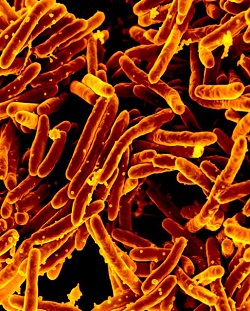
The Medicines Patent Pool announced today that it has signed a license agreement with Johns Hopkins University for a candidate tuberculosis treatment. Although seen as a major step forward by public health groups, they said the agreement does not include guarantees that the treatment that could be brought to the market would be affordable for all.

Groups Seek Assurance Of Affordable Zika Vaccine From US Army Exclusive Licence

A range of civil society organisations have issued a public statement opposing the United States Army’s proposed grant of an exclusive licence on technology necessary to produce a Zika vaccine to French pharmaceutical company Sanofi. The letter cites concerns that the exclusive licence might violate US law and could lead to high priced medicines as consumers buy back taxpayer-funded research.

WEF Davos: Who Will Own The Knowledge Produced From “Our” Data By Machines?

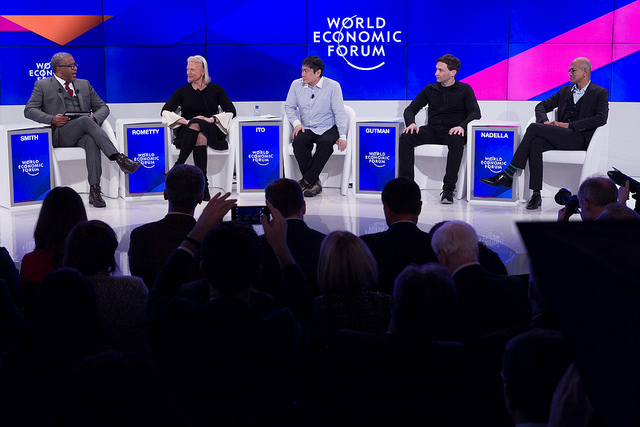
Artificial intelligence has succeeded the Internet of Things or the earlier cloud mania as buzzword number one at the Annual Meeting of the World Economic Forum that started today (17 January) in Davos, Switzerland. While ethical questions surrounding the intelligent machines are discussed at length and the question for regulatory steps considered, answers of who will own the knowledge created by machines or intelligent bots vary.

New Book Highlights IP Trade Law Flexibilities For Public Health

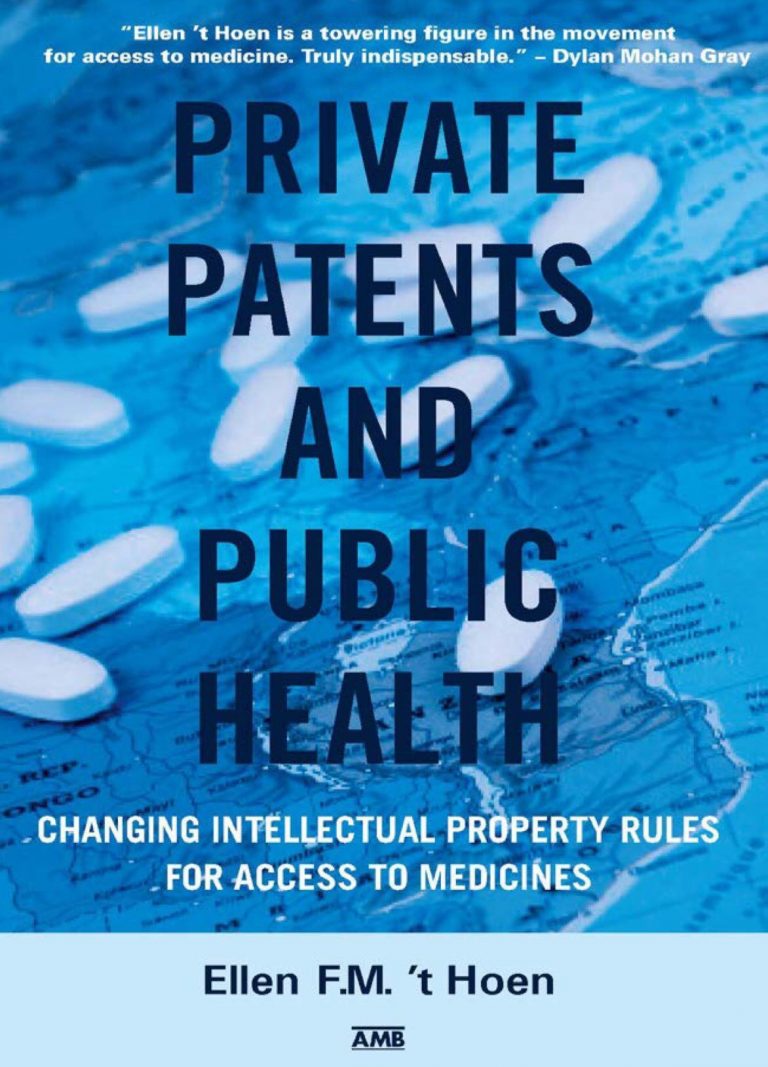
A recently published book by a high-impact public health advocate provides new analysis on the use of flexibilities in international trade law relating to intellectual property rights aimed at advancing discussions on solutions to high drug prices worldwide.

Book Review: Interactions Of Climate Change And The Global IP System

Climate change is prompting the need for new technologies to address the consequences of the weather changing patterns. A book authored by a number of scholars provides an introduction to the interactions of climate change with the global intellectual property, innovation, human rights and international trade systems.

ARIPO Amends Protocol On Patents, Utility Models And Designs

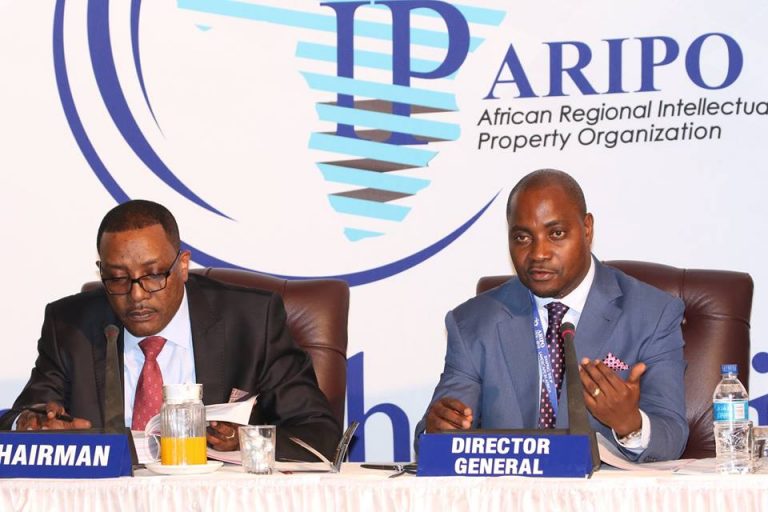
The Harare Protocol on Patents, Industrial Designs and Utility Models has been amended. The amendments were adopted by the 40th Session of the African Regional Intellectual Property Organization (ARIPO) Administrative Council, and came into operational effect from 1 January 2017.

UN General Assembly Resolution: TRIPS Flexibilities, High-Level Panel On Medicines Access

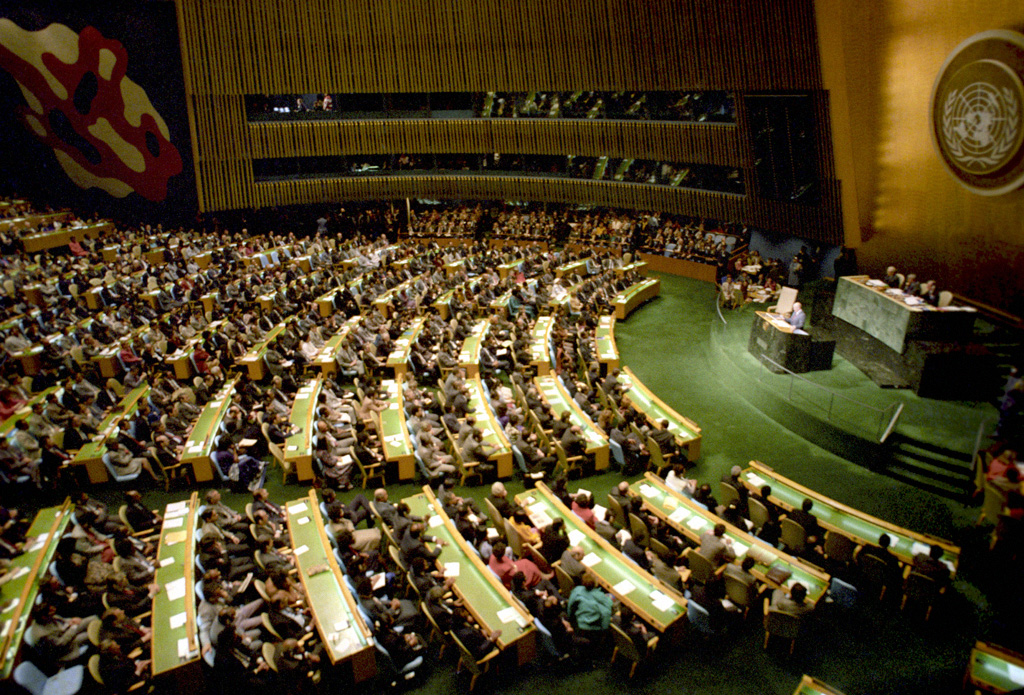
The United Nations General Assembly this month is considering a resolution committing to elevate health issues to the highest levels of foreign policy. The resolution includes references and commitments related to dozens of existing instruments and tools aimed at improving health, including a full range of those on access to medicines, such as patent flexibilities under trade rules, and the recent report of the UN Secretary-General’s High-Level Panel on access to medicines and innovation.