Category Human Rights

Access To Medicines Resolution Adopted By UN Human Rights Council

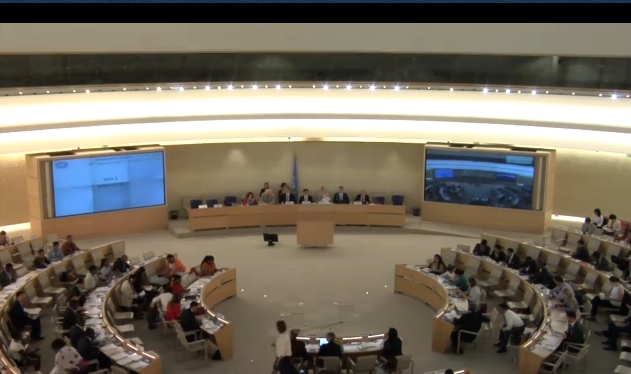
A resolution on access to medicines proposed by a number of developing countries was adopted today by the United Nations Human Rights Council, as well as a resolution on enhancing capacity-building in public health. This marks yet another United Nations fora in which developing countries seek to raise the issue of access to medicines, particularly with regard to high prices.

Embassy In London Under Siege, IP A ‘Neo-Liberal Pillar’, Ecuador Minister Says

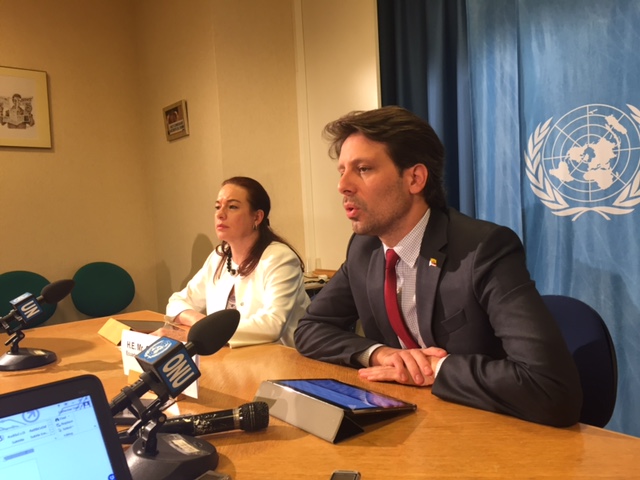
A top Ecuadoran official said today at the United Nations in Geneva that WikiLeaks founder Julian Assange’s health is deteriorating after four years confined in the Ecuadoran embassy in London, while the United Kingdom and Sweden are ignoring the findings of the UN Working Group on Arbitrary Detention which called for Assange’s release. The Ecuadoran Minister of Foreign Affairs also said Ecuador will carry on issuing compulsory licences for medicines as it sees fit, underlining the increasing role of intellectual property and the greater privatisation of knowledge.

OECD Ministerial On Internet Wraps Up: Openness A Concern

The Organization for Economic Cooperation and Development (OECD) should not wait 8 or 10 years before its next Internet Ministerial, said OECD Secretary General Angel Gurria at the closing session in Cancun Mexico yesterday. Gurria called for a faster pace for government and regulators to adapt to the digital markets. Better data on the data economy will help, as reflected in the new Cancun Declaration.

European Council Approves First-Ever Analysis Of Drug Prices With Look At IP Rights

The 28 European Union governments today gave final approval to a first-ever plan to analyse medicines competition in Europe, with reference to drug prices, generics and biosimilars, and intellectual property rights. The final version was watered down after what sources said was heavy industry lobbying, compared to a leaked version published in Intellectual Property Watch two weeks ago, but still retains some strong provisions regarding pricing and competition.

WHO-Led Study: Hepatitis C Treatment Unaffordable Globally, Threatens Health Systems

According to a new study by experts at the World Health Organization, prices of hepatitis C treatments are unaffordable globally and put a major strain on national health systems. Hepatitis C can cause liver cirrhosis and cancer, and with an estimated 80 million people affected in the world, if untreated, the sickness could lead to 700,000 deaths per year worldwide, the study said, suggesting that governments and industry stakeholders should develop and implement fair pricing frameworks.