Category Human Rights

Everything Is Obvious

Ryan Abbott writes: For more than sixty years, “obviousness” has set the bar for patentability.  Under this standard, if a hypothetical “person having ordinary skill in the art” would find an invention obvious in light of existing relevant information, then the invention cannot be patented.  This skilled person is defined as a non-innovative worker with a limited knowledge-base.  The more creative and informed the skilled person, the more likely an invention will be considered obvious.  The standard has evolved since its introduction, and it is now on the verge of an evolutionary leap: Inventive machines are increasingly being used in research, and once the use of such machines becomes standard, the person skilled in the art should be a person using an inventive machine, or just an inventive machine.  Unlike the skilled person, the inventive machine is capable of innovation and considering the entire universe of prior art.  As inventive machines continue to improve, this will increasingly raise the bar to patentability, eventually rendering innovative activities obvious.  The end of obviousness means the end of patents, at least as they are now.
Saudis Seek Alternative Energy Partners Through WIPO Green Program

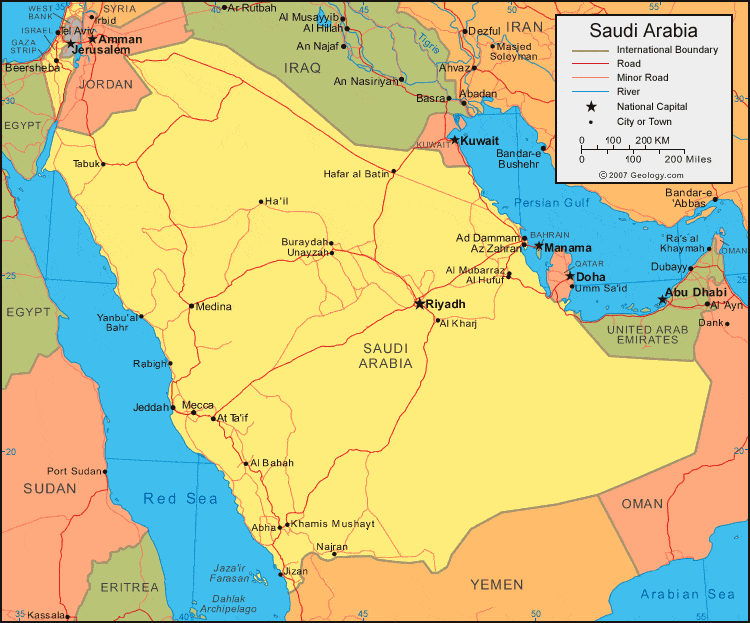
The government of oil-dependent Saudi Arabia has posted a series of requests for proposals for renewable energy technology partnerships via the World Intellectual Property Organization "Green" initiative that provides a marketplace for IP-protected products related to the environment.

Will US Drug Pricing Politics Change Intimidation Practices Globally?

Fifa Rahman

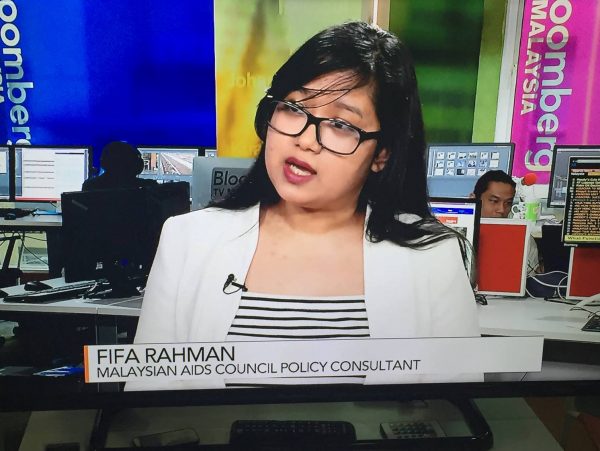
Fifa Rahman writes: The global health world, particularly as concerns skyrocketing drug prices and patent abuse, is in a unique space in time. Recently, the Office of the United States Trade Representative (USTR) has been carrying on as per usual. It has threatened the Malaysian and Colombian governments at numerous junctures to prevent them from issuing compulsory licences – a completely legal mechanism which the US uses regularly - to access generic hepatitis C drugs. The Trump Administration has sent delegations to global health agencies in Geneva to intimidate them into reducing, or hiding, work on TRIPS flexibilities and fairer drug pricing.

Rise Of The Machines: Experts Look At AI, Robotics And The Law

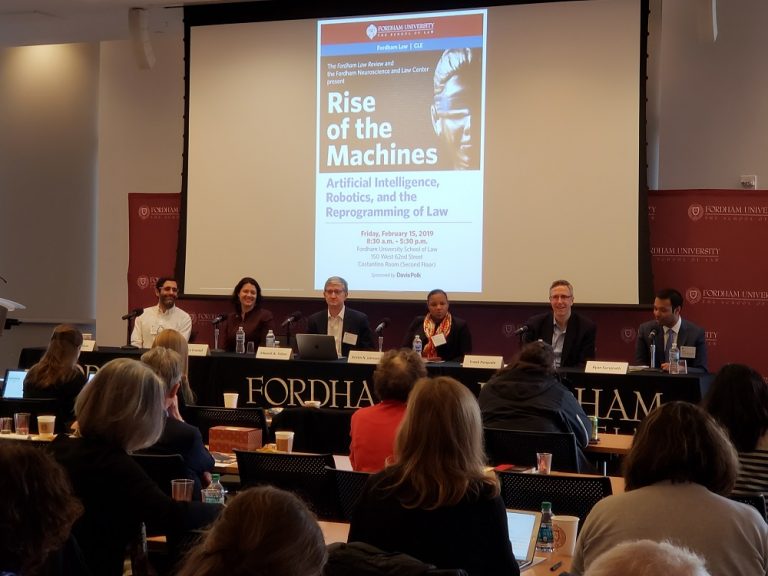
NEW YORK -- Artificial intelligence, robots, and the law, are all changing a rapid pace. A panel of experts at a recent event at Fordham Law School discussed latest developments and signs of the limits of the law when applied to AI areas like facial recognition, automated weapons systems, and financial technology.

Asian NGOs Raise Concern Over IP And Seeds In RCEP Trade Deal

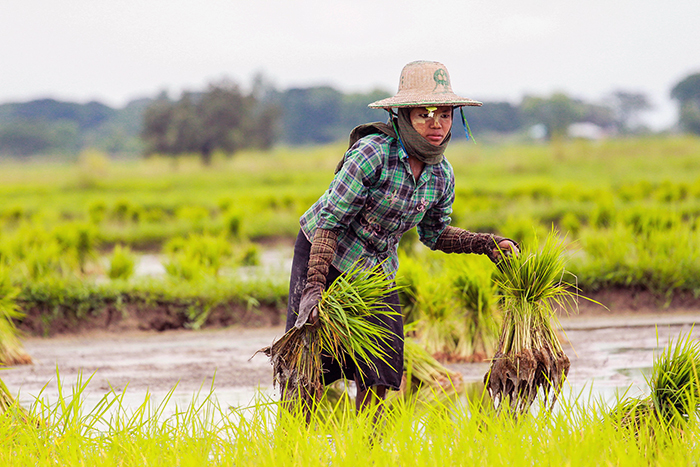
The Regional Comprehensive Economic Partnership (RCEP) trade agreement under negotiation among Asia and Pacific nations must not include measures that would undercut countries' ability to protect diverse local farming systems and sustainable plant genetic resources for food and agriculture, a range of Asian nongovernmental organisations argue. Groups in India, Malaysia and the Philippines this week specifically called for the RCEP not to include the high-level protections under the International Union for the Protection of New Varieties of Plants (UPOV).

Malaysia Still Under Pressure To Make Hepatitis C Medicine More Expensive

The government of Malaysia continues to face pressure from the United States pharmaceutical industry and potentially the US government to undo an action taken to make a key hepatitis C medicine more affordable in the country. Now Médecins Sans Frontières (MSF, Doctors Without Borders) has weighed in to defend the government's right to use a patent flexibility in global trade law that allows them to take such actions on behalf of their citizens.

WHO’s Access Roadmap And The Art Of Accommodation Of Pharma Interest

The Roadmap to access to medicines, vaccines and other health products (Roadmap) to be discussed at this week's 144th session of WHO’s Executive Board accommodates vital interest of pharmaceutical TNCs on critical issues such as the approach to access, technical assistance on the use of TRIPS flexibilities and access to biosimilars.

Adoption of the Roadmap in its current form very well accommodates the interest of the Pharmaceutical TNCs and therefore one need not expect any proactive steps by WHO towards promoting access after the adoption of the Roadmap.

WHO Cancer Report Stirs Debate On Eve Of Board Meeting

As the World Health Organization Executive Board gathers tomorrow for its annual January meeting, health industry and advocacy groups have seized on a WHO report to be presented to the Board that finds high prices for cancer medicines are "impairing" governments' ability to provide affordable treatments. One issue they may have in common is a desire for more transparency in analyses of prices.

WHO Report Shows Global Progress On Influenza Preparedness Response

The World Health Organization has released a new report showing that significant progress has been made to build national and global preparedness for future influenza pandemics. This progress resulted from the collaborative multi-sectoral implementation of a WHO plan, funded by the benefit-sharing contributions of industry partners, to strengthen global health security against pandemic influenza.