Category Health & IP

Discussions Continue On How To Govern WHO Interactions With Outside Actors

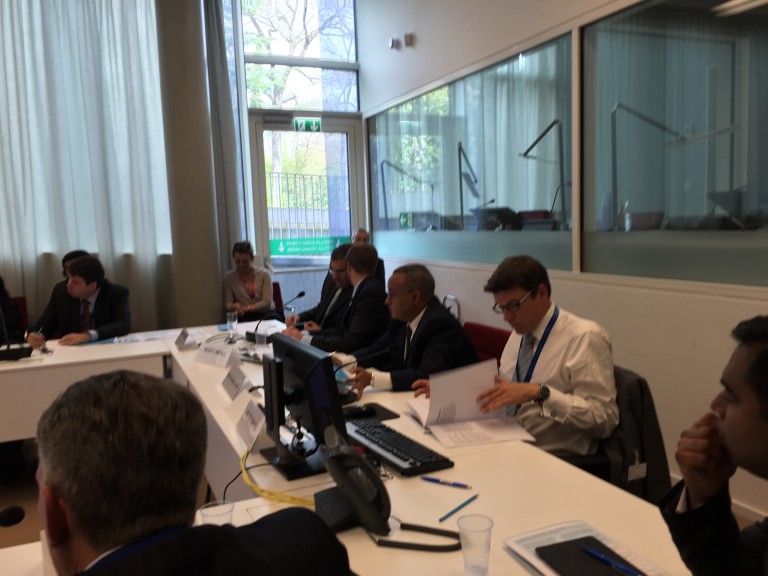
The World Health Organization interacts with a large number of actors aside from governments, such as industry, philanthropic organisations, academia, and civil society. With an eye to preventing undue influence on the work of the organisation, member states have been trying to finalise a draft framework on WHO interaction with those actors. This week, what was seen as a last effort at reaching a consensual text did not quite meet the goal and some additional informal discussions are expected to take place before the annual World Health Assembly in late May.

Surprise! Much Work Being Done On Transparency Of Patents On Medicines

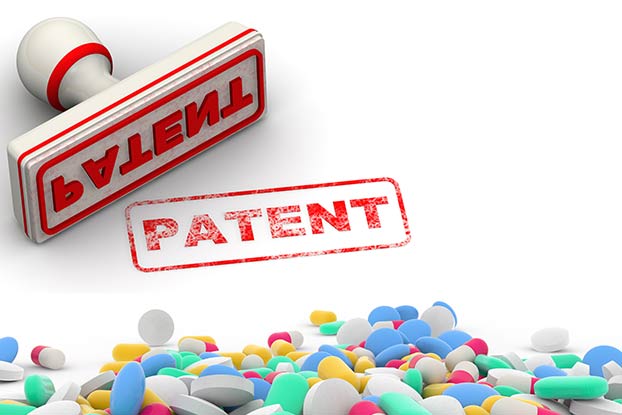
James Love writes: In a recent paper by Reed F. Beall and Amir Attaran [KEI's April 12, 2016 comment here: http://www.keionline.org/node/2467], and in the WIPO seminar discussions about the paper, the authors have held themselves out as more or less lonely voices calling for transparency of patent landscapes on essential medicines. This surprised and offended the many people who have not only been concerned about the lack of transparency on patent landscapes, but have been doing most of the work in digging out the facts, and/or proposing remedies.

WHO Debates Changes To Safeguards Against Undue Influence By Outside Actors

This week a group of delegates at the UN World Health Organization is seeking to finalise agreement on a draft framework defining the organisation’s relationships with external actors, such as philanthropy, the private sector, academia, and civil society. Today, Norway put forward a potential compromise. Meanwhile, dozens of civil society organisations called on member states to stand up to pressure to compromise the intergovernmental body’s independence from private sector influence.

Analysis: WTO Amendment On Access To Medicines Faces EU Conundrum

After waiting for over a decade, the World Trade Organization is finally close to achieving the first ever amendment to its rule-book, with only a handful of members still needing to formally accept new intellectual property provisions dealing with one aspect of access to medicines.

Two thirds of the membership (108 of the WTO’s present 162 members) have to ratify or “accept” the amendment (on exporting medicines made under compulsory licence) before it can take effect. The number of accepting members is finally approaching 108. This has exposed a discrepancy in the way the European Union’s membership is counted. And that in turn raises questions over when the 108 is actually reached.

Worse, the counting method the EU uses could even prevent some amendments ever taking effect.

WIPO Scrutinised For Development Dimension, Involvement In UN Panel On Medicines

New text-based government efforts to recommend to the World Intellectual Property Organization General Assembly which committees should report on their development activities have been unsuccessful so far this week. Separately, WIPO was asked by members to provide information on its involvement with the United Nations Secretary General’s High-Level Panel on Access to Medicines, and responded that it is in a delicate situation.

Ideologies Fly In Discussion Of WIPO Pharma Report Calling For Less Ideology

A study commissioned by the World Intellectual Property Organization to analyse which essential medicines on the 2013 World Health Organization Essential Medicines List were under patent found that over 90 percent of medicines on the list were off patent, and advocated more transparency in patent information. The study’s release set off an outcry among public health advocates who viewed the report as biased toward pharmaceutical companies.

Review Of WHO Pandemic Flu Preparedness: Data Sequencing And Other Issues

Five years after its adoption, a World Health Organization mechanism to help the world be ready for future influenza pandemics is being reviewed. According to several stakeholders invited to share their views, a major challenge is genetic sequence data, which allows digital reproduction of material. Other issues include the relationship of the mechanism to an international convention on access to genetic resources, and the contribution of industry.