Category Health & IP

Groups Seek Assurance Of Affordable Zika Vaccine From US Army Exclusive Licence

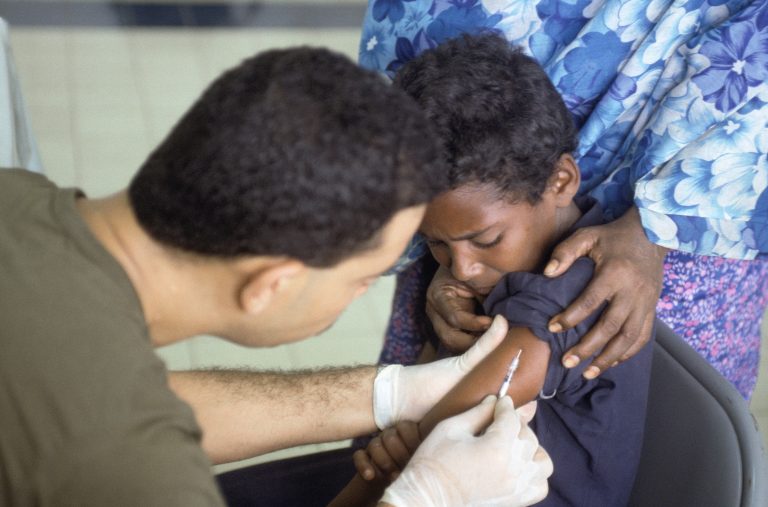
A range of civil society organisations have issued a public statement opposing the United States Army’s proposed grant of an exclusive licence on technology necessary to produce a Zika vaccine to French pharmaceutical company Sanofi. The letter cites concerns that the exclusive licence might violate US law and could lead to high priced medicines as consumers buy back taxpayer-funded research.
Achieving SDG Health Targets Using ‘The Vital Role Of Law’

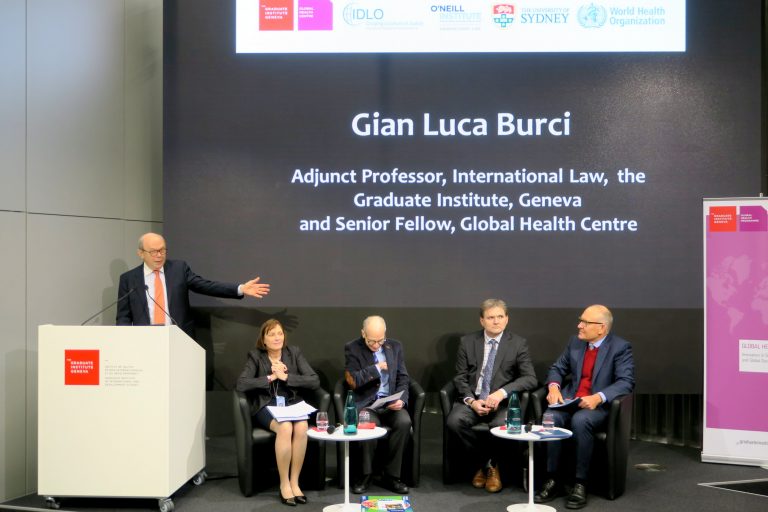
Effective laws, including those around intellectual property rights, and an enabling legal environment, are as essential to a healthy society as clean water, a group made up of a representative of the World Health Organization, academics and a legal expert for a civil society group, have asserted while launching a key report.

Nagoya Protocol Implications For Health, Flu Genetic Data On WHO Board Agenda

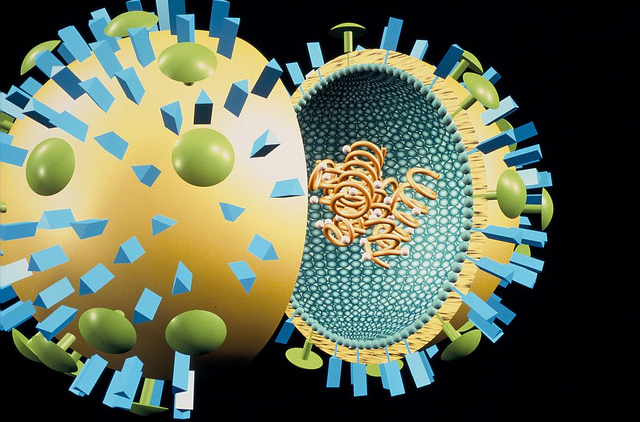
The World Health Organization recently published its analysis about the public health implications of the Nagoya Protocol on genetic resources access and benefit-sharing, and in particular how it affects the sharing of pathogens, like influenza viruses. The findings are set to be discussed at this month’s WHO Executive Board meeting. Also to be discussed is an experts group review of the WHO pandemic influenza framework, and in particular its conclusion that the framework should be amended to match scientific progress.

Expensive Medicines Increase The Pressure

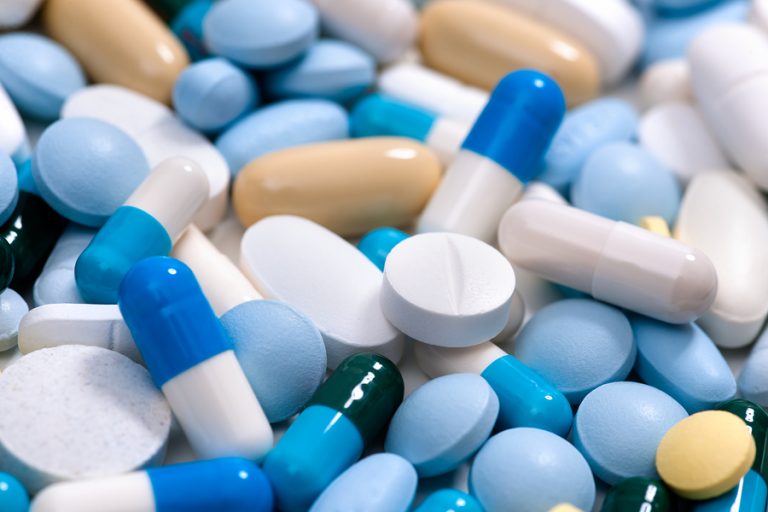
When Gilead brought its new antiviral medicine – Sovaldi – for the treatment of Hepatitis C to the US market for USD 84,000, it triggered a storm of protest. Demand for this revolutionary treatment was so high that the price (despite reductions) became an enormous burden on the American healthcare system. Although the product is cheaper in Switzerland at CHF 48 307, treatment is rationed for reasons of cost.

US Food And Drug Administration Issues Equivalence Guideline For Biosimilars Producers

Biotherapeutic medicines are made out of living organisms and cannot be replicated. No generic medicines, which are exact copies of the reference product, can be made. The generic equivalent of a biotherapeutic would be biosimilars, which are highly similar products. The United States Food and Drug Administration has issued a guide to help producers to prove how close their biosimilars are to the biotherapeutics.

UN General Assembly Resolution: TRIPS Flexibilities, High-Level Panel On Medicines Access

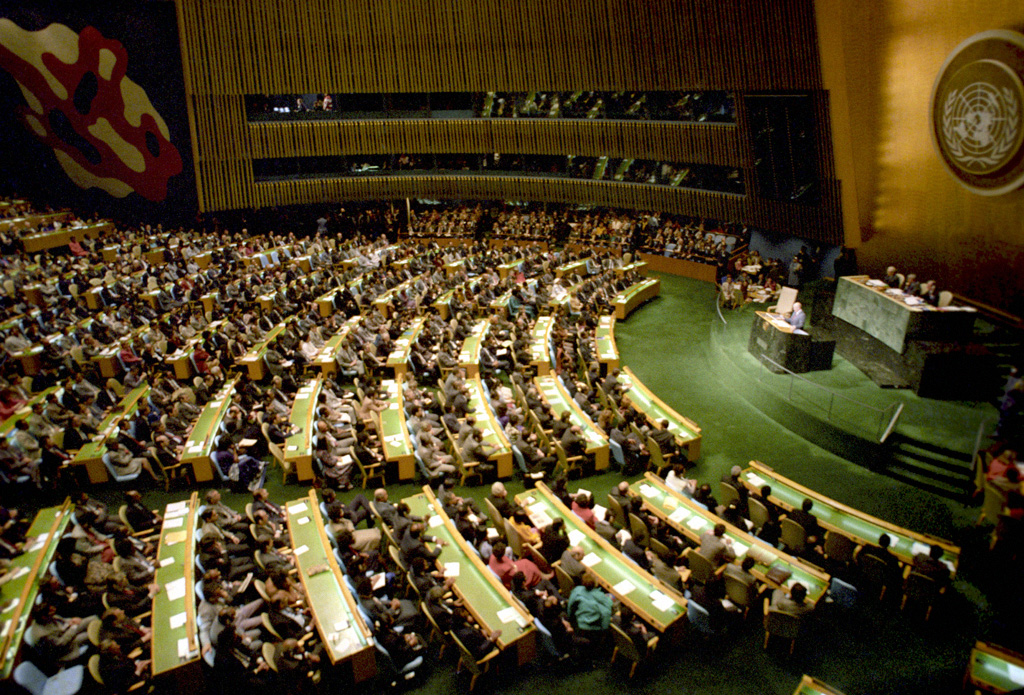
The United Nations General Assembly this month is considering a resolution committing to elevate health issues to the highest levels of foreign policy. The resolution includes references and commitments related to dozens of existing instruments and tools aimed at improving health, including a full range of those on access to medicines, such as patent flexibilities under trade rules, and the recent report of the UN Secretary-General’s High-Level Panel on access to medicines and innovation.