Category Health & IP

TRIPS Council To Consider The Two Sides Of IP – Innovation Booster And Barrier

The role of intellectual property in innovation is expected to be considered through different lenses at the upcoming meeting of the World Trade Organization committee on intellectual property. A group of developed countries have proposed an agenda item on inclusive innovation in micro, small and medium-sized enterprises, while discussions are expected on the report of the United Nations Secretary General’s High-Level Panel on Access to Medicines, and a side event featuring High-Level Panel members has been convened by a group of developing countries. Electronic commerce, and in particular copyright issues and electronic signatures are also on the agenda next week.


BIO Investor Conference: New Technologies, Old Pricing Systems, And Insurance Payers In The US

NEW YORK -- At a recent biotechnology investors event in the United States, the prospect of repeal or redesign of the Affordable Care Act, the president’s recent remarks on the prospect of Medicare negotiating prices directly with pharmaceutical corporations, and the public debate surrounding high priced medicines, meant few panels were immune from questions of affordability, access and payment.

New Gene-Editing Technology Whets Appetites In Health, Food Industry, Fuels Patent Fights

A new discovery allowing easier and swifter genome editing, considered by some as a major game changer in the field of biology, is opening doors to new technological wonders in many areas, such as medicines and agriculture. Yesterday, the United States Patent and Trademark Office issued a ruling on a case where two US university laboratories both claimed the invention of a genome editing technique. The USPTO decided that the two universities had made distinct discoveries. In Europe, patents from both universities on the technology are also challenged at the European Patent Office.

Special Report: WHO Board Sets Review Of 10-Year Effort To Boost Medicines Access, Affordability

Once considered a breakthrough in negotiations to address problems of making cutting-edge medical products and research available to poor countries, the decade-old World Health Organization Global Strategy and Plan of Action on Public Health, Innovation and Intellectual Property (GSPOA) is now undergoing review, with the WHO Executive Board calling for a report on the initiative and plans for its future next year.

Geneva Health Campus: New Home For Global Fund, GAVI, Unitaid In 2018

The construction of a new building to host the Global Fund to Fight AIDS, Tuberculosis and Malaria and other key players in the area of global health is well under way in Geneva. The “Campus Santé” (Health Campus) is expected to open its doors at the beginning of 2018. The hosts of the building will be tenants, while the investment costs are borne by Crédit Suisse, a prominent Swiss investment bank.

The Problem With Rare Diseases: R&D Lacking, High Prices, Discrimination, IP Issues

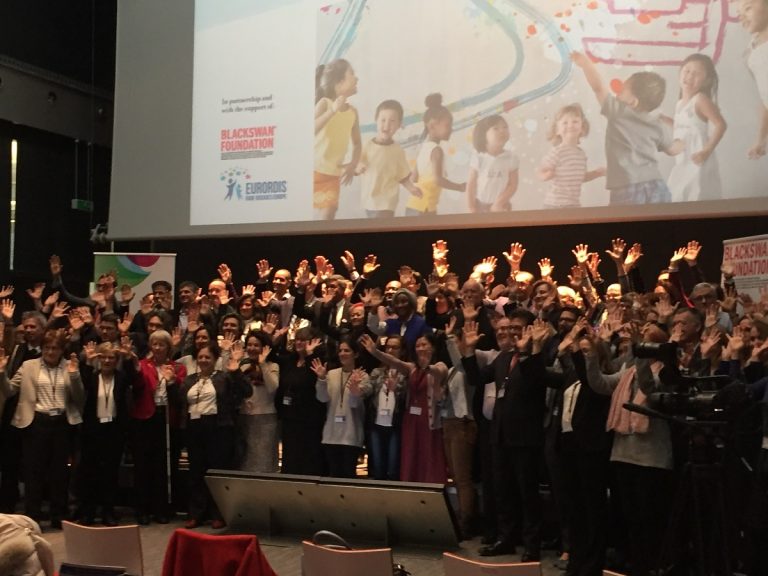
Over 6,000 rare diseases, those affecting very small populations, have been documented in the world. For those affected, treatments are mostly non-existent, and if they do exist, are not affordable. An event last week gathered a number of stakeholders, including rare disease organisations, the World Health Organization and the pharmaceutical industry to discuss the particular issue of rare diseases. The case of rare diseases is an exacerbated example of research, pricing, accessibility and affordability.

Confidential Draft Of WHO Cancer Resolution Shows Remaining Issues IP-Related

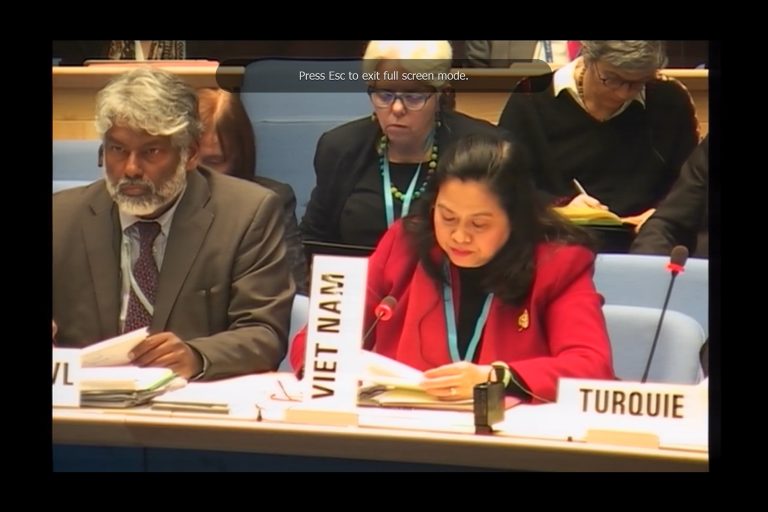
The latest version of a draft resolution on addressing the global rise of cancer negotiated last week at the World Health Organization shows that remaining points are intellectual property-related, but there seems to be agreement on referencing trade flexibilities in the text, even from the United States, and a common goal of lowering prices of treatment. WHO members tried to reach common language during the Executive Board in January but time ran out and discussions are expected to continue until the annual World Health Assembly in May.